
The biggest misconception- Spot Reduction
Spot reduction of fat means targeting to reduce fat of a specific area of your body by doing an exercise which would target that area. Exercising the abdominal muscles in an effort to lose weight in or around your midsection is an example of trying spot reduction.
But does it work?

This belief has evolved from the idea that gaining muscle increases metabolism, resulting in fat reduction. People think that fat loss in a specific region could be targeted by building muscle around it. Studies have shown that it is not possible to reduce fat in one area by exercising that body part alone. Muscle growth in a region does not mean fat loss in that region. Instead, fat is lost from the entire body as a result of diet and regular exercise.
Abdominal exercise vs abdominal fat- The research

In a study, scientists divided 24 sedentary adults, aged 18-40, into an exercise group and a control group. The exercise group added 7 abdominal exercises, 2 sets of 10 reps each, 5 days a week, for 6 weeks, into their daily routines. The scientists discovered that at the end of the 6 weeks, through comparing a variety of endurance tests and body composition tests the subcutaneous fat around the abdominal region did not shrink. However, muscular endurance of the core region did improve when comparing the before and after of the number of sit ups between the post study exercise group and control group. Therefore, even though an increase in muscular development of a certain region in the body took place, it did not remove the fat around the muscles. Again, THERE WAS NO PROOF OF SPOT REDUCTION OF FAT TAKING PLACE.
The right way to target fat
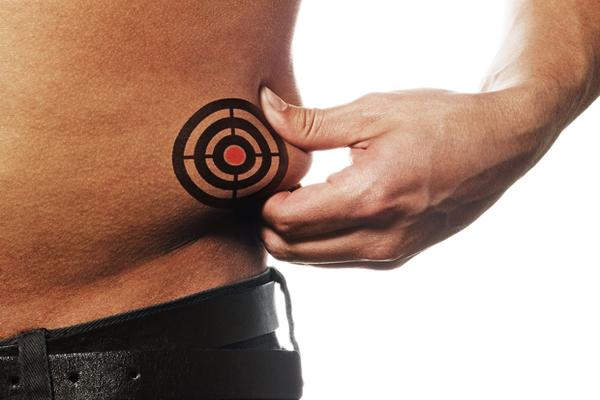
There is only one way by which you can guarantee fat loss- BY CALORIC DEFICIT.
Caloric Deficit- What is it?
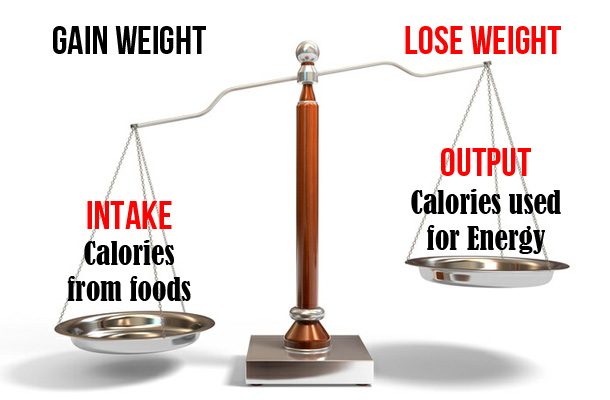
Calories in vs calories out- By taking care of this rule, you can benefit significantly in your weight loss journey. To lose weight, your body has to be in a caloric deficit.
Caloric deficit occurs when throughout the day, your body burns more calories than it consumes. In other words, the caloric expenditure has to be more than caloric consumption to achieve fat loss.
Creating a caloric deficit
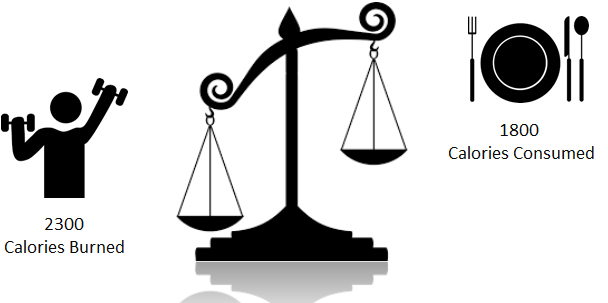
Researchers estimate that you need a calorie deficit of 3500 calories per week to lose one pound of fat.
Eat less food ( no crash dieting)

If you cut down your portion sizes, cut back on snacking and start choosing lower calorie foods at meal time, you will consume fewer calories each day. By this way, you would be creating a caloric deficit each day which would pile on and ultimately help you lose weight.
Get more active

The more you move, the more calories you burn. The more calories you burn, the caloric deficit keeps on increasing. The number of calories your body needs each day depends on your activity level. If you increase the number of calories your body needs, but still consume the same number of calories from food, you’ll reach a calorie deficit.
Most effective- Combine diet and exercise

This is the healthiest approach towards fat loss
Most successful dieters combine diet and exercise to lose weight. That means that they might eat 250 fewer calories each day and then go for a 60-minute brisk walk to burn an additional 250 calories. The calorie deficit would total 500 calories. If you created a similar plan for each day, you’d reach the 3500 calorie deficit needed for weight loss.
Young people can combine diet with resistance training at the gym to further increase caloric deficit. Weight training builds muscle mass which increases our metabolism and ultimately helps in burning more fat even during rest.
No more spot targeting from now

After reading this article, you must have got smarter and now you will aim for fat loss with a more scientific and holistic approach instead of the approach which leads to no results.
 Health and fitness