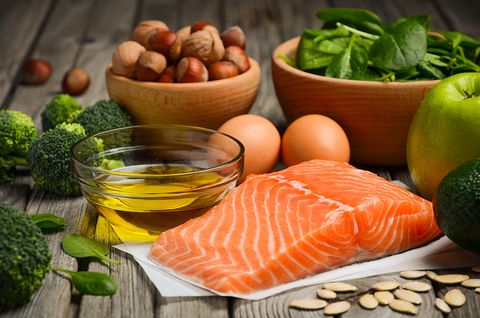
Foods to boost Metabolism

In the previous article, we have got to know about metabolism, its function in our body and how important is it for fat loss. https://sajalseth.health.blog/2019/09/05/why-are-you-not-losing-weight-and-your-friend-is/

In this article we will take a look at the foods which can actually help us to boost metabolism and get closer towards our weight loss goal!

Can foods really boost metabolism?

Before moving on to the foods which boost metabolism, please be aware that these foods will only assist in boosting metabolism only if your rest of the diet is on point, you are sleeping well and doing regular exercise. These foods are not magic foods which will boost metabolism, but if combined with all other healthy habits, they definitely assist in improving metabolism.

How clean eating can increase metabolism

Certain foods can speed up or slow down our metabolism. But the relationship is not so straight and direct.

Meals high in protein cause our metabolism to increase, but it’s usually temporary. At that meal, our energy expenditure is greater, but there is no direct relationship whether that energy expenditure can cause weight loss.

For weight loss, metabolism isn’t the only factor; the amount we eat also matters. Eating meals high in protein, fiber, and healthy fats promotes satiety, meaning we’re less likely to eat as much at the next meal.

Not eating enough calories can cause your body to use muscle for energy, which can lead to a loss of muscle mass. If the body is trying to reserve its energy stores, metabolism will slow.

Metabolism boosting foods

Chili pepper

There is another reason to include chilies in your diet! Eating spicy foods like chili peppers may help speed metabolism as they contain capsaicin, an active compound which helps in speeding metabolism and may play a role in weight loss.

Beans
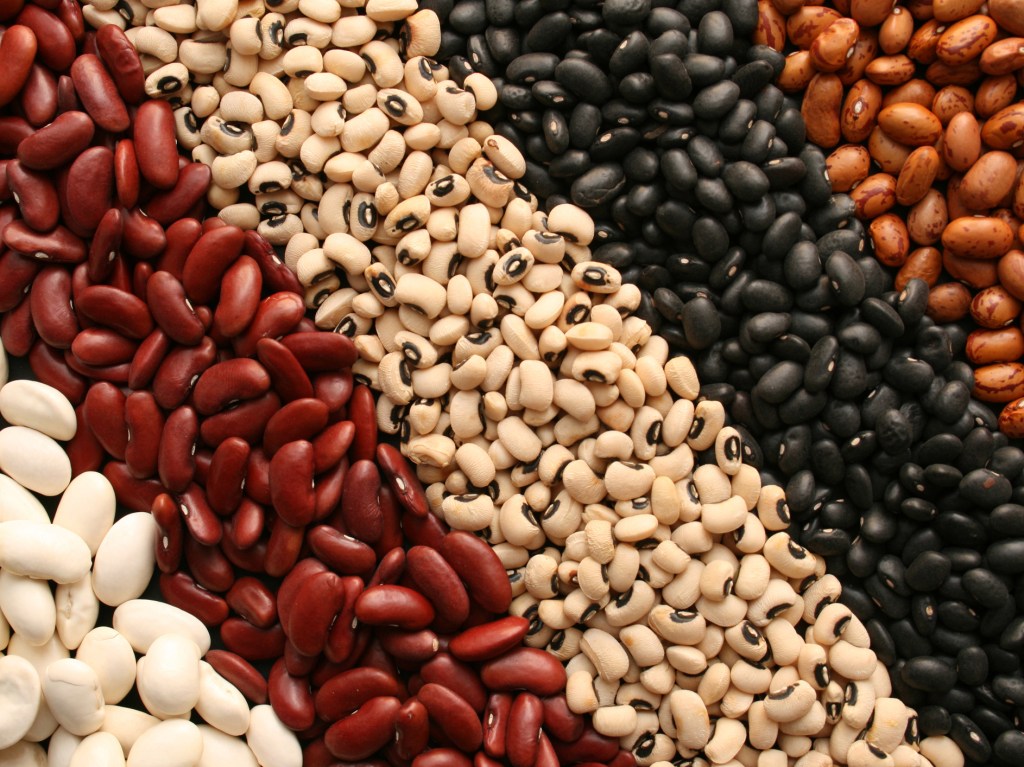
Beans are a part of most people”s daily diet. They are a good source of protein which help to keep us full. They contain amino acids, the building blocks of protein which help us to preserve and build lean muscle mass which actually speeds up our metabolism. The more lean muscle you have, the faster your metabolism is.

Eggs

Eggs are the complete food which is full of nutritional benefits and a part of fit people”s daily diet. They are low in calories, are an excellent source of protein which helps us build muscle mass and contain healthy fats which keeps us full for longer time. Eggs are a good source of B vitamins which have shown to increase metabolism.

B vitamins help convert the foods you eat into energy, so they help with processing those calories better and using them for energy.

Coffee

Did you have your cup of coffee yet? If not then it is time to grab one! Studies have shown that caffeine, which is present in coffee can help to increase our metabolic rate by up to 11%. Caffeine also helps our body to burn fat for energy and boost our workout performance if taken just before working out.

Citrus Fruits
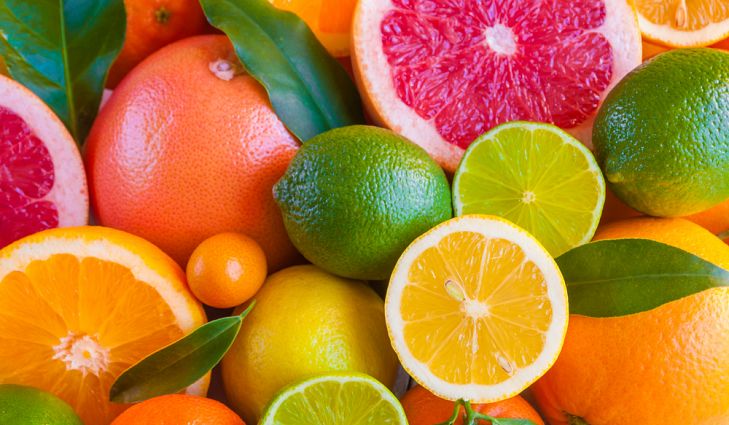
Citrus fruits, especially lemons and grapefruits, are great for digestion. They’re low in sugar and contain an antioxidant that can help lower your blood sugar response after meals. The vitamin C  helps the body to metabolize fat faster.

Oily Fish
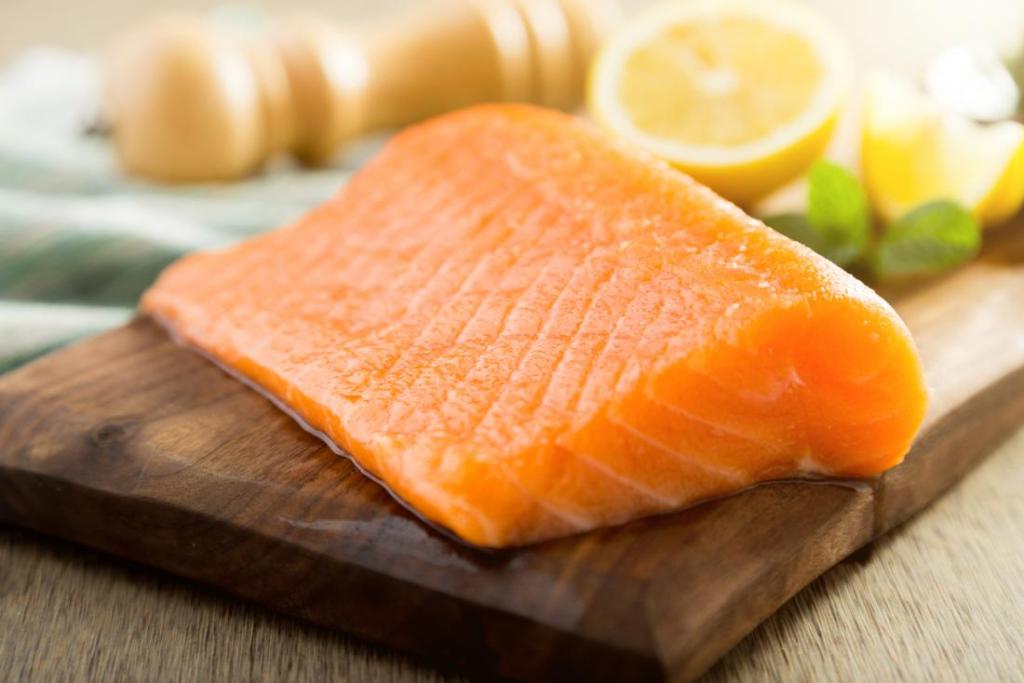
Oily fish like salmon, herring, and tuna are rich in omega-3 fatty acids. Omega-3 fatty acids reduce resistance to leptin, a hormone that plays an important role in determining how fast fat is burned. They also balance blood sugar and reduce inflammation, both of which help to regulate metabolism.

Garlic
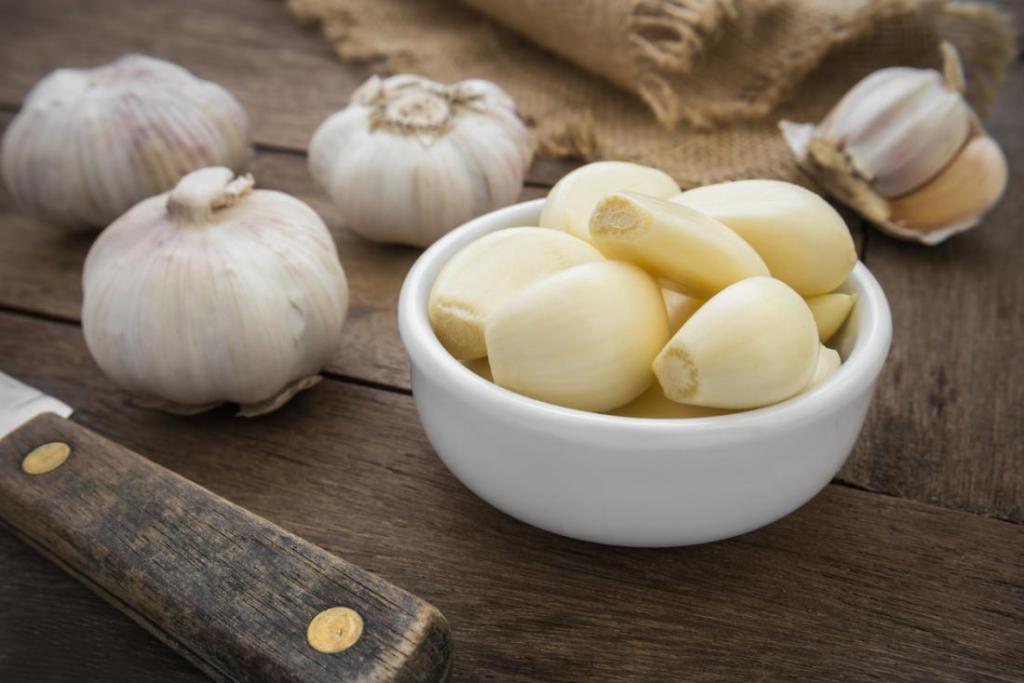
So here is another reason to start including garlic in your daily diet! Garlic supports a balanced blood sugar and a healthy metabolism. In studies, it has been shown that eating garlic can increase the amount of calories burned throughout the day while decreasing the body”s production of fat.

Conclusion

In this article, you have seen that while eating certain foods alone may not help in speeding up metabolism, but if we combine a healthy diet and exercise with these foods, we can definitely rev up our metabolism and reach fat loss goals faster.

Why are you not losing weight and your friend is

You and your friend have decided to get fit. Both of you joined a gym, started dieting and now are consistent. After sometime you notice that you are hardly seeing results whereas your friend, who is doing the same workout with you is showing results. You are baffled because inspite of doing the same exercises and more or less following same diet, how can your friend get results and not you.

So what is the reason?

The reason is metabolism. Metabolism is basically the total of chemical reactions that take place within our body. Through metabolism, our body converts what we eat and drink into energy.

Two people with the same size and body composition can have different metabolic rates. One can consume a huge meal and gain no weight, while the other has to carefully count calories to not gain weight.

What factors affect our metabolism?

Amount of lean muscle (more amount of muscle means faster metabolism)

Amount of body fat ( higher body fat means lower metabolism)

Age of person ( metabolism slows down as per age)

Gender (women have a slower metabolism as compared to men)

If your are dieting or not ( dieting slows down metabolism since slimming involves muscle loss and since the body is smaller, body does not have to work that hard to keep functioning)

Resting Metabolic Rate

 It is the rate at which your body burns energy when it is at complete rest. Most of the calories burned throughout the day are through this process only. Resting metabolism is the energy required by your body to perform the most basic functions when your body is at rest. These essential functions include things like breathing, circulating blood or basic brain functions. 

There are several online calculators through which you can get a rough estimate of how many calories you burn throughout the day. You have to enter your age, weight, gender and level of activity. https://www.omnicalculator.com/health/rmr Here you can check your Resting Metabolic Rate for free.

Do not just blame metabolism for not being able to lose weight

Before blaming metabolism solely for not losing weight, check these mistakes which you might be making and your friend might not

Less Activity

Even if you and your friend follow the same diet and workout routine, the amount of movement throughout the day can make the difference. It is completely possible that you may be following a sedentary lifestyle whereas your friend may be having a more active routine which makes them burn more calories throughout the day.

Excessive snacking between meals

Snacks are another thing which often get overlooked and slowly keep adding on in calories consumed. You and your friend might be following the same diet but if you unknowingly consume snacks between every meal, then they can be adding towards the calories consumed which often get unnoticed.

Stress and less sleep

Stress and less sleep can affect your workout performance and can play a role in slowing down your weight loss. Researches have shown that stress can be detrimental towards your weight loss and sleeping less than 6-7 hours a day can also have negative affects on your weight loss chances.

Conclusion

After reading this article you have become aware about metabolism and how it works. Do not straight away blame your metabolism for not being able to lose weight, but if you have checked the other mistakes and are sure you are not making them, we will soon publish an article about how to increase our metabolism.

Strict Dieting v/s Flexible Dieting

The trend of fitness is increasing day by day and as a result, more people are getting aware about their health. In the quest for a fit body, the first thing that comes to our mind is losing the excess weight. When we think of losing weight, dieting is the first thing which comes to our mind.

The word diet usually means a temporary change to an existing eating routine. Whenever we follow a diet, it automatically means the change is temporary as diets cannot last forever. Similarly, the results of a diet cannot last forever and we often see people regaining the weight back which they lost while on a diet.

Strict Dieting

Strict dieting, as the name suggests, is a very rigid form of dieting which does not allow flexibility in the diet routine. In this routine, there is very little room to deviate from the diet and the person following it has to adhere strictly. An example of strict diet is the Keto Diet in which you have to consume carbs in a very low limit and majority of the calories have to be obtained from fats and Paleo diet in which you eat only those foods which hunters gathered i.e. animal meat and plants. Refined sugar, dairy, legumes, and grains are all out of the question. And forget garnishing meals with seasoning or sauces. This plan offers little variety.

Strict Dieting Advantages

Faster weight loss

While following strict dieting, weight loss will occur faster as you are following the diet strictly and there is very little scope of including other foods. You will lose weight faster and start seeing results sooner.

Consistency

Since everything is already listed in strict diets, you do not have to think much about the food items to add. You simply have to include those items which are listed which leads to more consistency during the dieting time.

Result oriented

Strict diet routines are result oriented. 9/10 people, if not 10/10, will get results from these diets. They are no nonsense diets and if followed correctly, they always succeed in delivering results.

Affordable

There are very little food items needed which are often very basic and cheap. No fancy or expensive food items are required which makes these diets pretty affordable.

Strict Dieting Disadvantages

Feeling of Starvation

These diets often are related with intake of a very low amount of calories which often makes the person following them feel hungry for the most part of the day.

Difficult to follow

It is very difficult to adapt and follow these diets as most of the food items which you love are omitted which can make following these diets difficult.

More chances of regaining the lost weight

After following a strict diet, there are increased chances of weight gain as it causes starvation which ultimately leads you to consume junk foods and all other tasty foods which were excluded from this diet.

Chances of deficiencies

These diets increase the chances of developing nutritional deficiencies as you often do not consume a balanced diet during this period.

Flexible Dieting

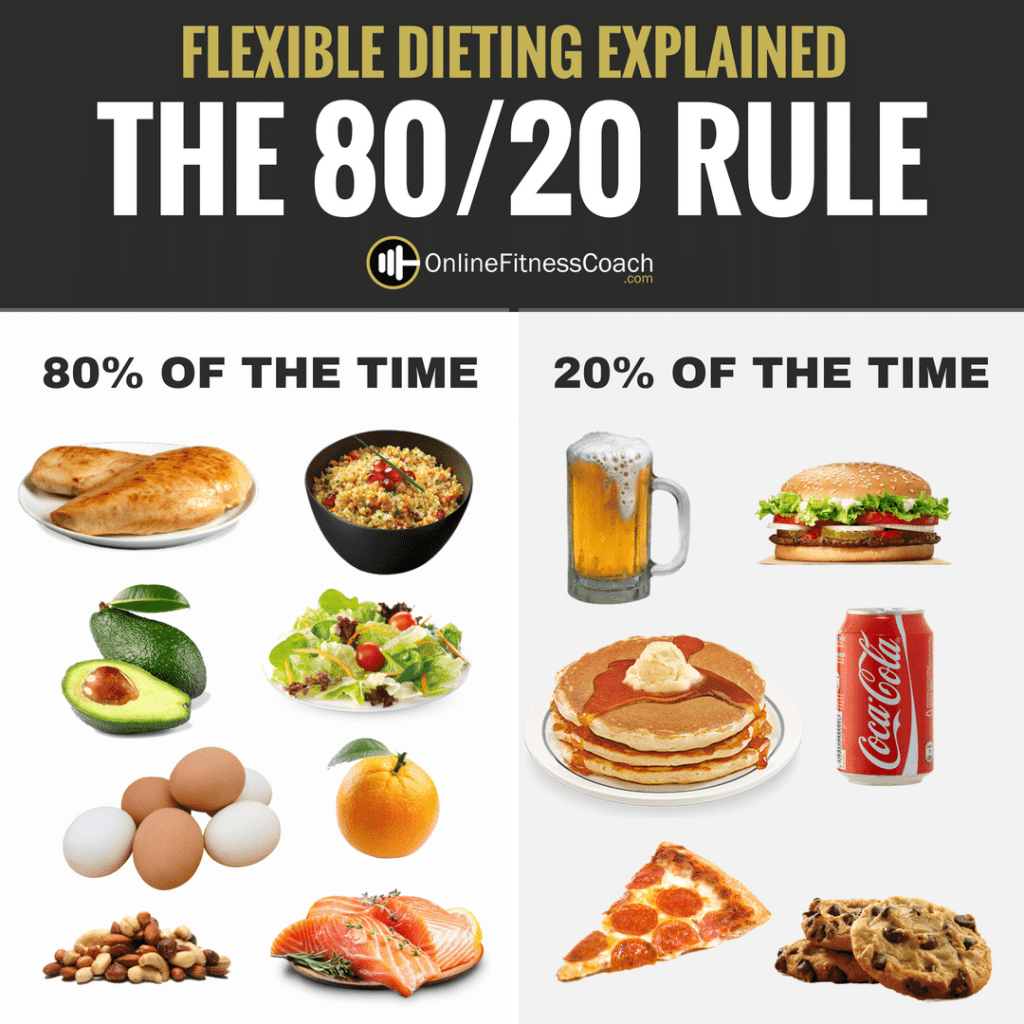
Flexible dieting is also called If It Fits Your Macros or IIFYM is a diet which proposes eating based on calories. It suggests that you can consume any type of food as long as it fits your macro-nutrient profile.

The basic principle of this diet is that you eat the right number of calories for you and in the right proportion of macro-nutrients. You calculate how much of the macro-nutrient categories you should be eating and then choose what to eat based on those targets. There are three macro-nutrients—protein, carbohydrates, and fat. As for the vitamins and minerals also in your food—those are micro-nutrients, and they are not a part of this diet.

Flexible dieting advantages

Sense of satisfaction

This is the biggest advantage of flexible diets that you are always in a positive state of mind and never feel starved. Since you are consuming the foods you love along with healthy foods, it strikes the right balance between diet and satisfaction.

Greater motivation

People following flexible dieting are more likely to be motivated for a longer period of time as you are consuming the foods you like and if you follow the macro nutrient intake, you end up losing weight as well.

No chances of cheating

People do not cheat on these diets as a bit of cheating is already allowed by eating the foods you love if the fit your macros. No deprivation means no cheating. Example- someone can consume a 500 calorie burger for lunch and then have a light dinner to balance macros.

This diet actually works!

Since it is based on macro nutrient intake, this diet generally works well with most people, that too while consuming foods you love to eat. It is more of a numbers game and does not concern the types of foods consumed.

Disadvantages of Flexible Dieting

It ignores micro nutrients

Micro nutrients are crucial for optimizing your body composition and improving overall health and they are completely ignored in this form of diet.

Counting calories can be difficult

This diet is completely based on the amount of calories consumed. Counting calories every day, in every food item is a tedious process and not convenient for most people.

Increased chances of error

Since it is based on counting calories, there is an increased chance of making errors in calculation of calories which can reflect the results of this diet.

Lack of definition in diet

While the flexible diet plan may encourage you to eat different food groups everyday, there is a chance of consuming a lot of processed, low nutrient food which can exceed technically allotted limits.

Conclusion

The best way to decide which diet suits you is by trying it for sometime. There are pros and cons of both these diets. While most of you might prefer flexible dieting, strict dieting can also be useful for many.

Vegan diet

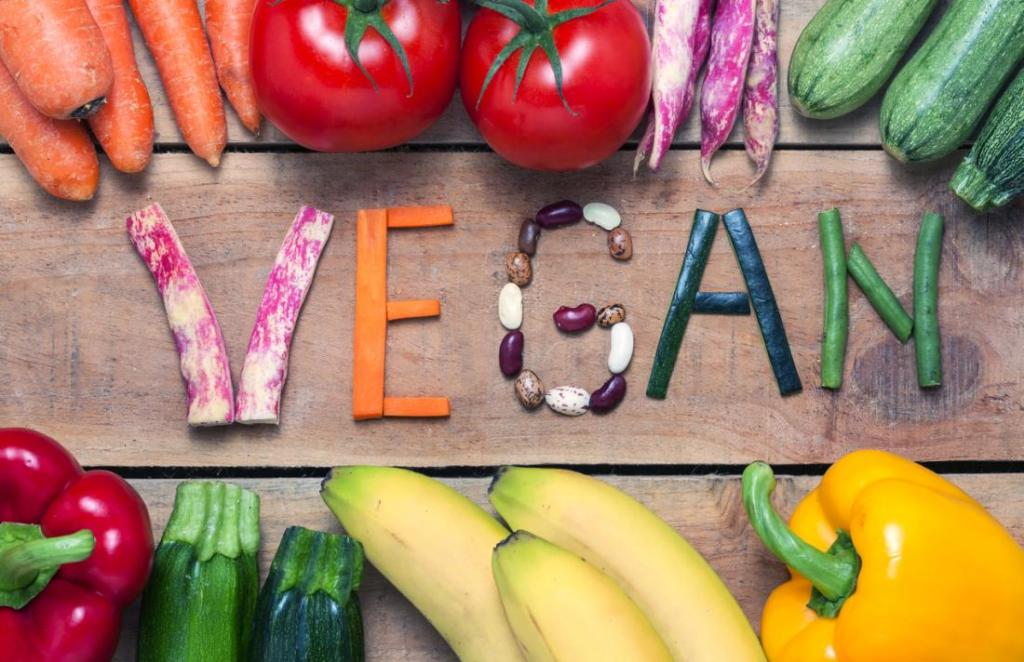
The vegan diet is the diet containing only plants like vegetables,fruits,nuts,grains) and foods made from plants. It does not anything coming from animals whether it is meat, dairy products or even eggs.

The key to a nutritionally sound vegan diet is variety. A healthy and varied vegan diet includes fruits, vegetables, plenty of leafy greens, whole grain products, nuts, seeds, and legumes.

Why do people go vegan?

People choose to be vegan for health, environmental, and/or ethical reasons. For example, some vegans feel that one promotes the meat industry by consuming eggs and dairy products. That is, once dairy cows or egg-laying chickens are too old to be productive, they are often sold as meat; and since male calves do not produce milk, they usually are raised for veal or other products. Some people avoid these items because of conditions associated with their production.

Many vegans choose this lifestyle to promote a more humane and caring world. 

Variety is Important in this diet

A vegan diet is not the easiest diet for your taste buds to adapt. It is very important to include a variety of food options in this diet to complete your nutritional requirements.

The vegan diet may sometimes not be enough to fulfill our nutritional requirements. In that case, the use of supplements comes handy and we can use them to fulfill the nutritional needs.

Vitamin B 12, EPA and DHA, iron, zinc and calcium are the common nutrients which can get missed out or not consumed according to recommended daily allowance dosages during this diet.

Advantages of Vegan Diet

Reduces risk of diseases– the vegan diet can reduce the risk of type 2 diabetes, cardiovascular disease, hypertension, stroke, obesity and even some cancers like prostate and colon cancer.

Good for animal welfare– this diet promotes animal welfare since we are not consuming anything which comes from animals like meat, milk, eggs. It reduces animal cruelty for food production.

Good for bone health– Calcium is important for bone health. Since vegan milk alternatives like soy milk, almond milk are becoming popular and easily available, it is easier to consume calcium everyday in this diet.

Protects against chronic diseases– Plant-based diets can counteract an individual’s genetic likelihood of developing a chronic disease such as type 2 diabetes. The bio active compounds in plant foods can control biological factors that may work against the genetic factors linked to some chronic diseases.

Risks and Considerations of Vegan diet

This diet is very low in calories– A vegan diet can reduce the intake of calories. While too many calories can lead to weight gain and associated health problems, too few can lead to problems with low weight. Calories are needed as they provide us with energy to do work and those who are regular at the gym might see decreased performance.

It is deficient in nutrients– The vegan diet is often deficient in vitamin B 12, Iron, Vitamin D, Omega 3 fatty acids and zinc which need to be supplemented while following this diet.

No tasty options– This diet is definitely not for those who are used to eating tasty foods. The food options available are not tasty which can make the diet monotonous and the person may leave this diet soon.

Soy protein sources can cause hormone disruptions– Processed forms of soy are commonly found in a vegan diet, including tofu, soy milk, and soy-based processed foods sold as meat substitutes. Processed soy foods are no better for human health than any other highly-processed foods, but with the added risk of hormone interference due to phytoestrogens found in all forms of soy. They can affect estrogen and thyroid levels.

Risk of overconsuming carbs– There is also the risk of over-consuming carbohydrates on a vegan diet, especially since legumes are often consumed as a protein source.

Conclusion

Certainly, not everyone has a negative experience on a vegan diet. There are plenty of people who would benefit great from adopting certain aspects of veganism, including incorporating more vegetables into the diet, and understanding the importance of not purchasing or consuming factory-raised meat.

Inactivity- A Silent Killer

Since the advancement of technology, our physical activity has taken a drastic hit. We are slowly becoming more and more dependent on technology and our movement is decreasing.

Physical inactivity is a term used to identify people who do not get the recommended level of regular physical activity. The American Heart Association recommends 30-60 minutes of aerobic exercise 3-4 times per week to promote cardiovascular fitness.

As you can see as per the report of World Health Organisation, physical inactivity ranks 4th in the cause of deaths. This shows how deadly physical inactivity has become.

Current Scenario

Sedentary lifestyles increase all causes of mortality, double the risk of cardiovascular diseases, diabetes, and obesity, and increase the risks of colon cancer, high blood pressure, osteoporosis, lipid disorders, depression and anxiety. According to WHO, 60 to 85% of people in the world—from both developed and developing countries—lead sedentary lifestyles, making it one of the more serious yet insufficiently addressed public health problems of our time. It is estimated that nearly two-thirds of children are also insufficiently active, with serious implications for their future health.

Physical inactivity in India- Facts

Nearly half of the population in the four regions studied were inactive. This translates to 392 million inactive individuals in India.

•Physical inactivity was significantly more common in urban areas of the country compared to rural areas.

•Males were significantly more active than females.

•Most of the time spent in moderate to vigorous intensity activity was at the workplace.

•More than 90% of subjects in all the four regions studied did no recreational physical activity. This was significantly higher in rural areas and among females.

•Even among those who reported recreational physical activity, the time spent in moderate to vigorous intensity activity was overall less than 20 mins/day.

Physical inactivity risks-

Obesity

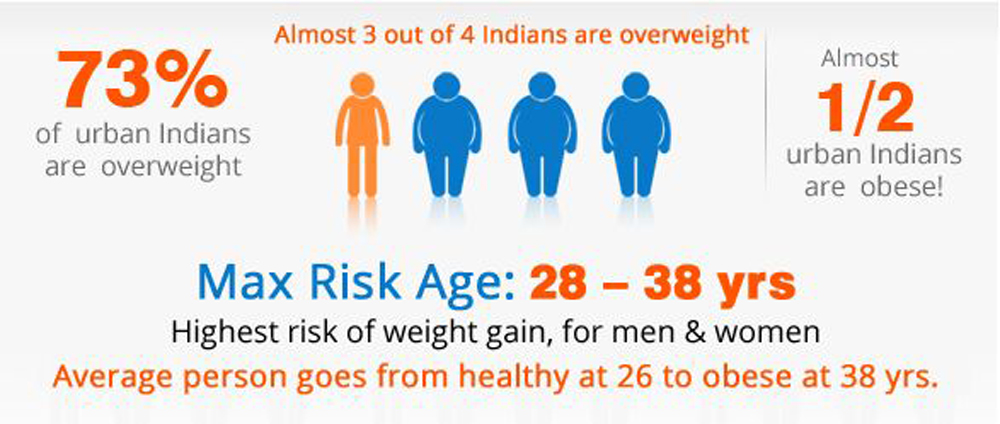
The main cause of inactivity is obesity. Since daily movement among people has become so limited, the risk of obesity as started to increase. People prefer elevators to stairs, cars instead of walking even if the distance is small. We take pride in using technology and fitness is still not considered priority among most of the people.

Risk of heart diseases

Due to inactivity and less movement, people tend to gain weight and become obese. Obesity leads to high cholesterol, high blood pressure which increases the risk of heart diseases. Without regular exercise and because of sedentary lifestyles, more people are becoming prone to the health risks of inactivity.

Diabetes

Lack of physical mobility and regular exercise can cause our muscle cells to lose their sensitivity to insulin, which controls blood sugar levels, increasing risk of diabetes. Moreover, weight gain can also increase risk of developing diabetes.

Some pictures showing the change

The above pictures are a small indication of the stark contrast between the time before and now. We have become slaves to technology and instead of going out in fresh air, we prefer to sit on couches and press remotes.

Just two weeks of inactivity could lead to changes that increase risk of developing disease- A Study

A study by University of Liverpool showed that just two weeks of inactivity in young healthy people can reduce muscle mass and produce metabolic changes that could lead to an increased risk of developing chronic diseases such as type 2 diabetes, heart disease, and potentially premature death. 

Societal factors (relating to work, travel and the domestic environment) have substantially reduced our physical activity level relative to our ancestors. Habitually reduced levels of physical activity are an independent risk factor for obesity, poor metabolic health and accelerated musculoskeletal decline.

Changes observed post 14 days of inactivity

Significant changes in body composition were observed, including loss of skeletal muscle mass and increases in total body fat. The changes in body fat tended to accumulate centrally, which is a major risk factor for developing chronic diseases. Overall, cardio-respiratory fitness levels declined sharply and participants were unable to run for as long or at the same intensity as previously. A substantial loss in skeletal muscle mass was also noted.

Take away message

Now you have seen the ill effects of physical inactivity and how just 14 days of inactivity can cause so many changes. So start moving more, exercise regularly, eat well and make the quality of your life better.

All about seeds- flax, melon, chia and pumpkin

These days, as more and more people are adopting the fitness lifestyle, healthy eating has become a must for most of us. The popularity of seeds like flax seeds, chia seeds, pumpkin seeds and melon seeds has increased a lot and more number of people have started including them in their daily diet.

We are going to see the health benefits of these seeds and how they help us in maintaining good health.

Flax seeds

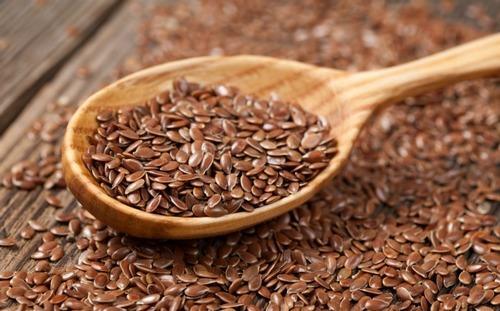
Flax seeds are among the most popular seeds and are known as alsi in Hindi. It is a rich source of healthy fat, antioxidants, and fiber. The seeds contain protein and the essential fatty acid alpha-linolenic acid, also known as ALA or omega-3.

The nutrients in flax seeds may help to lower risk of diabetes, cancer and heart diseases.

Benefits

High fiber– flax seeds contain both soluble and insoluble fiber which helps in detoxification, fat loss and reduce sugar cravings. The fiber content also improves digestion.

Helps in weight loss– Flax seeds are full of healthy fats and fibre. It helps you to feel satisfied for longer time so you will eat fewer calories overall which may lead to weight loss. ALA fats may also help reduce inflammation.      

Improves brain health– Flax seeds are rich in omega 3 fatty acids and contain a decent amount of ALA (Alpha Linolenic Acid) which improves brain health.

Reduces inflammation– flax seeds contain ALA and lignans which are compounds that help to reduce inflammation in the body.

Chia seeds

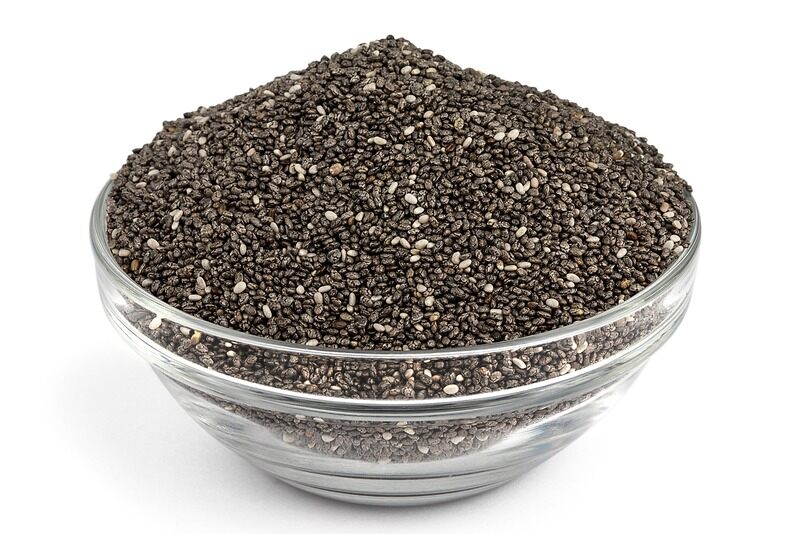
Chia seeds are the edible seeds of Salvia hispanica, a flowering plant in the mint family native to Central America. Despite their small size, chia seeds are a powerhouse of nutrients. A 28 gram serving contains 5.6 grams of protein.

Benefits

Helps in weight loss– Chia seeds are high in fiber which helps us to feel full for long time. Increased fiber intake has shown to hep with weight loss.

Loaded with antioxidants– Chia seeds are high in antioxidant content. These antioxidants protect the sensitive fats in the seeds from going rancid and help to fight free radicals in our bodies which can damage cell molecules.

Low carb content– 28 gram serving of chia seeds contain 12 grams of carbs out of which 11 grams is fiber. So technically they contain negligible amounts of carbs and do not spike blood insulin. Since they contain so much fiber, people tend to feel full for longer times.

High calcium content– 28 grams of chia seeds provides us with 18% of the RDA of calcium which is important for bone health.

Reduce inflammation– consumption of chia seeds helps to reduce inflammation in our body, specially chronic inflammation which is associated with increased risk of heart diseases and cancer.

Pumpkin seeds

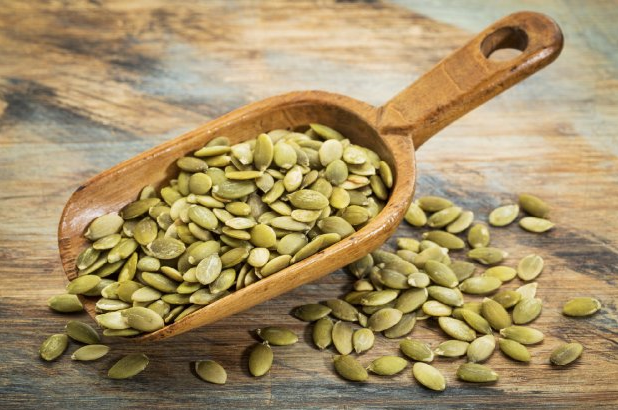
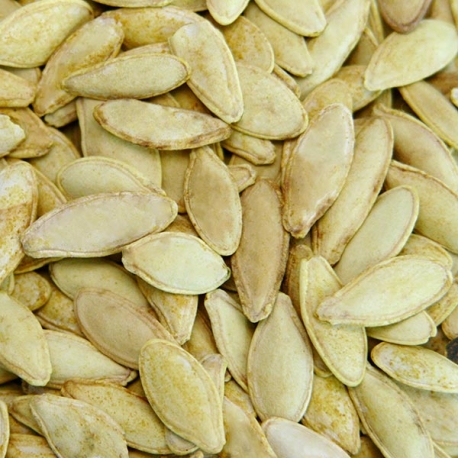
Pumpkin seeds are the edible seeds of pumpkin and are typical flat and oval and light green in colour after the husk is removed. Even though they are small in size, their nutritional benefits are plenty.

Benefits

Good for heart health– Pumpkin seeds contain ALA (Alpha Linolenic Acid) and are a good source of unsaturated fats. They help to manage cholesterol levels which is beneficial for heart.

Antimicrobial in nature– Pumpkin seeds are known for their antimicrobial benefits including their anti fungal and anti viral properties. They contain lignans which helps in this process.

Contains minerals– Pumpkin seeds are a good source of minerals like phosphorous, magnesium, manganese, copper, zinc and iron.

Helps to promote sleep– These seeds are a natural source of tryptophan, an amino acid which helps to promote sleep. They also contain magnesium, which is another nutrient helping to promote sleep.

Melon seeds

Melon seeds can be of watermelon or musk melon. They are full of health benefits and should be included as a part of healthy diet.

Benefits

Good for skin– melon seeds are a rich source of unsaturated fatty acids These unsaturated fatty acids help to maintain the natural glow of the skin. The antioxidants present in the seeds slow down the skin ageing. Thus, the skin appears younger, softer and healthier.

Boosts memory– They are loaded with vitamin B which helps to improve memory and maintain a healthy immune and nervous system.

Regulates blood pressure– The arginine present in these seeds plays a significant role in regulating blood pressure which plays an important role in prevention of heart diseases.

Boosts male fertility– These seeds contain lycopene, a strong antioxidant which plays a significant role in improving sperm quality.

Best way of consuming these seeds

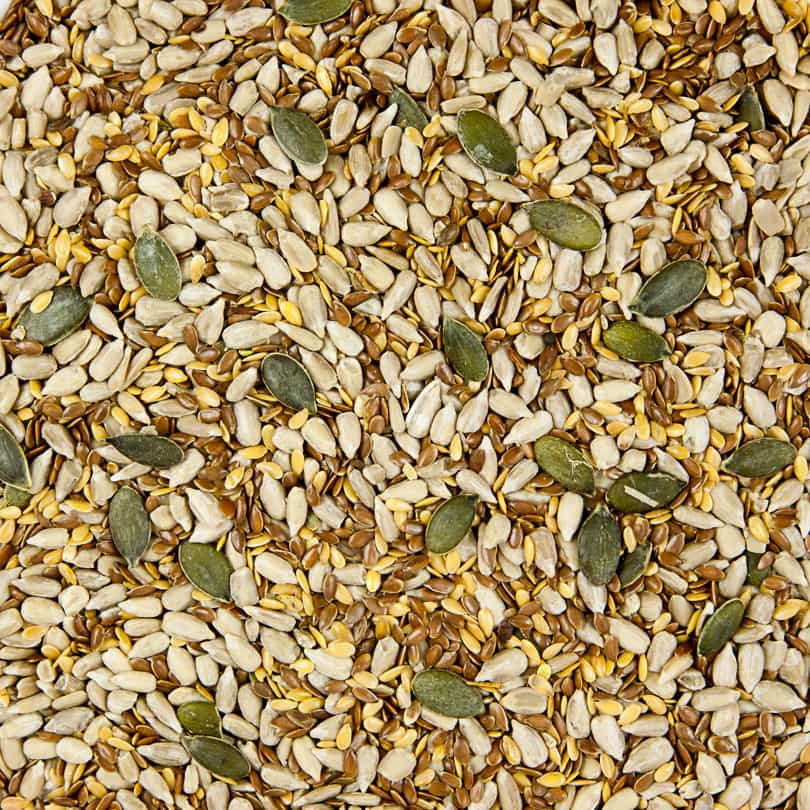
Instead of buying these seeds separately, a convenient way of enjoying the nutritional benefits of all these seeds is to buy a box of mixed seeds which contains all of them. This way, it will be easier to include all the seeds in your diet and enjoy their benefits.

Types of cooking oils- their pros and cons

Cooking oil is plant, animal, or synthetic fat used in frying, baking, and other types of cooking. There is a wide range of cooking oils available from plant sources like olive oil, palm oil, soybean oil, canola oil etc. and other vegetable oils and animal based oils like butter.

The less refined the oil is, the better it is

When cooking oils are refined, they have less flavor and aroma, which some people might prefer for preparing a variety of dishes. Refined oils also store better and can be safely used at higher temperatures. But they’re missing more of the plant. There tend to be more nutrients in the less refined oils.

If you’re getting a good-quality olive oil with a lot of antioxidants, polyphenols and plant chemicals, you’re going to get more benefit.’ Less refined oils are often called ‘virgin’ or ‘extra-virgin,’ while more refined oils may be labelled ‘pure’ or ‘light.’

Olive oil

Olive oil is a fat obtained from the fruit of the olive tree, a traditional tree crop of the Mediterranean region. Whole olives are pressed to produce this distinctive oil.

Pros-

  • Olive oil protects against heart disease as it controls the “bad” levels of LDL cholesterol and raises levels of the “good” cholesterol, HDL.
  • Olive oil is also rich in polyphenols, which have anti-inflammatory, antioxidant and anticoagulant actions, which may be another reason why it is important for heart health.
  • Other research has found it may reduce the risk of several types of cancer, including colon, breast, lung, ovarian and skin cancers.
  • Olive oil can also contribute nutritional support in the fight against arthritis, and help reduce high cholesterol.
  • A study published in the Journal of Toxicoloy and Applied Pharmacology showed that Oleocanthal, a substance in olive oil, blocks toxic proteins that damage the brain cells that cause Alzheimer’s disease.

Cons-

Olive oil, like all fats, is high in calories, so should be consumed in moderation.

Coconut Oil

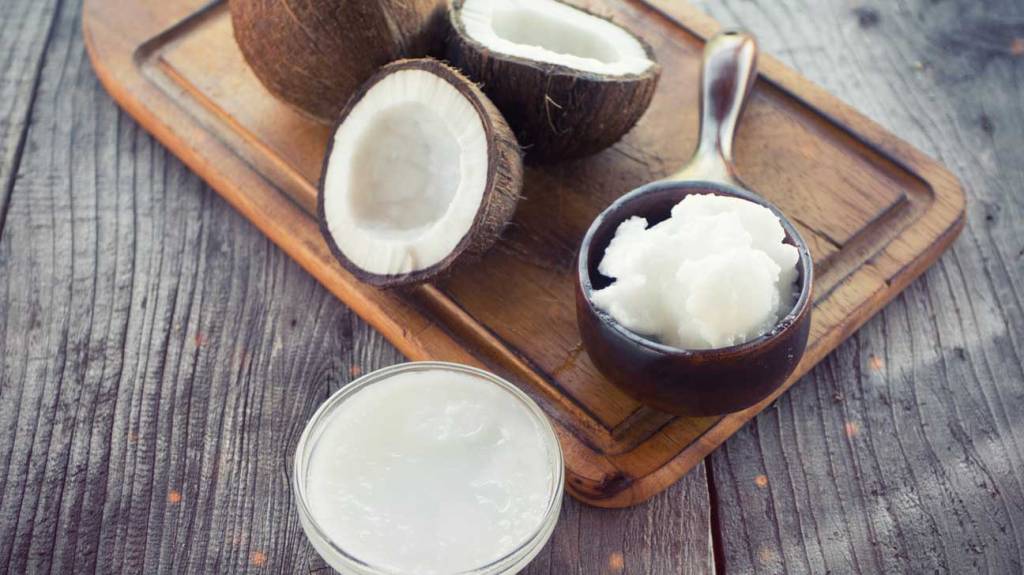
Coconut oil is an edible oil obtained from the kernel of mature coconuts harvested from coconut palms.

Pros-

Anti bacterial – The most abundant fatty acid in coconut oil is the 12-carbon lauric acid, which is broken down into a compound called monolaurin in the body. It can kill microbes like bacteria, fungi and viruses.

Medium Chain Triglycerides– Most of the fatty acids in the diet are long-chain fatty acids, but coconut oil contains a different kind: medium chain triglycerides. These medium-chain fatty acids are metabolized differently; they go straight to the liver from the digestive tract, where they are used as a quick source energy or turned into so-called ketone bodies, which can have therapeutic effects on brain disorders like epilepsy and Alzheimer’s.

Cons-

Better alternatives– Although coconut oil doesn’t contain cholesterol, it also doesn’t stack up against most other plant-based oils. Canola, corn, safflower, sunflower, soybean, flax seed, grape seed and extra virgin olive oil all contain significantly less saturated fat.

High in saturated fat– coconut oil, whether virgin or refined, is high in saturated fat which is higher than butter.  One tablespoon of coconut oil provides 490 kJ (117 calories), 13.6 g total fat (11.8 g saturated fat), no protein or carbohydrates, and only trace amounts of a few nutrients.

Expensive – At around twice the price of olive oil, coconut oil hasn’t yet been shown to offer health benefits greater than extra virgin olive oil. Extra virgin olive oil has proven heart health benefits, while the evidence for coconut oil is limited.

Canola oil

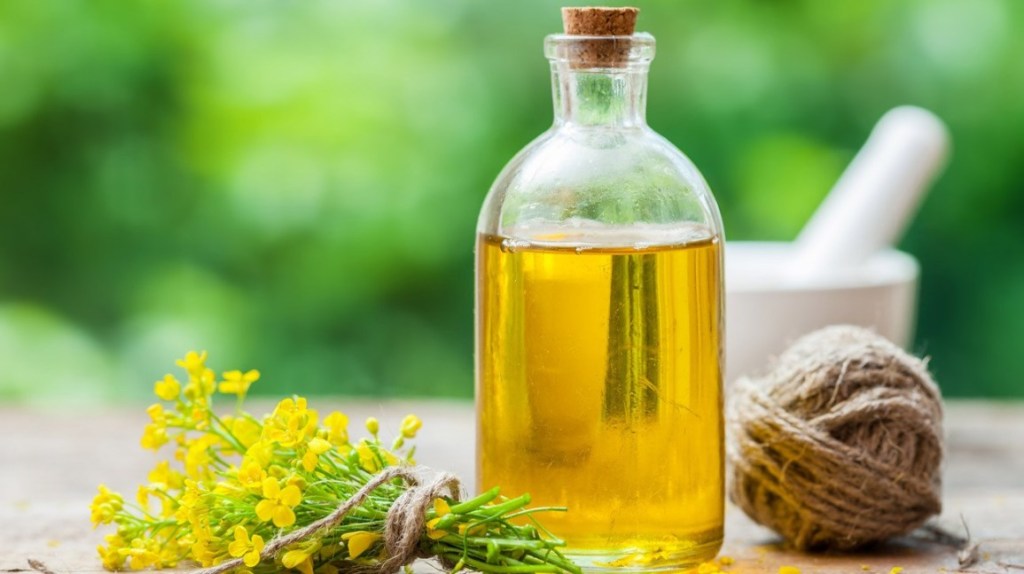
Canola oil is a vegetable oil, derived from rapeseed.

Pros-

Low in saturated fat– it is comparatively low in saturated fat than other oils.

Contains Omega 3″s– Canola oil contains monounsaturated fats and omega 3 fatty acids which are good for heart health, brain and joints.

Cons-

Omega 6– our diet is already abundant in omega 6 fatty acids and excess consumption can cause a deficiency of omega 3″s. While the typical omega-6 to omega-3 fatty acid ratio should be 2:1, it is actually more like 20:1. These discrepancies can be associated with inflammation and other chronic diseases all throughout the body.

Refined Vegetable Oil

This image has an empty alt attribute; its file name is 629631-584814-refined-oils-thinkstockphotos.jpg

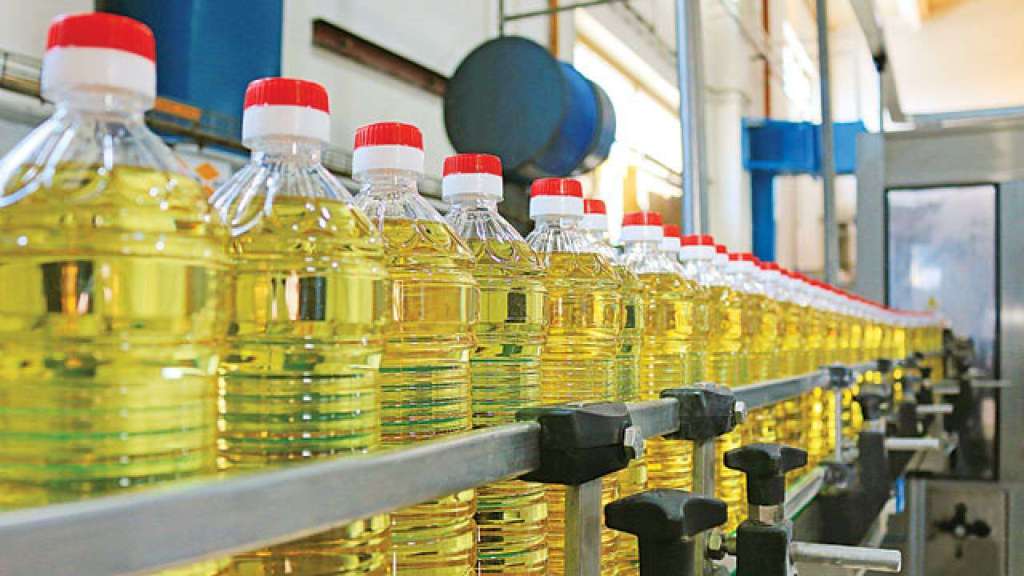
Refined oil is the most commonly used oil for cooking in most of the homes. Edible oils extracted from plants are called vegetable oils. The oil is extracted from chemical solvents or by crushing and pressing plants or their seeds.

Pros

Inexpensive– due to their economical pricing, refined oils are the most common cooking oil choice.

Long shelf life– they have a longer shelf life than other oils so are preferred more.

Cons-

High in trans fats– these oils are high in trans fats which increase risk of heart diseases and weight gain.

Hydrogenation– During this step, liquid oils are chemically altered so they are semi-solid or solid. This extends shelf life and makes inexpensive vegetable oils spreadable like butter. Unfortunately, our bodies aren’t able to recognize and use these fats, which can lead to serious health effects.

Vegetable oils do not involve vegetables– There’s no vegetable benefit to be gained from vegetable oil. Many consumers mistakenly believe that cooking oil, as long as it says vegetable on the label, is all good. In fact, the unhealthiest and most commonly used oils on the market contain no vegetables at all.

Why are packaged foods unhealthy

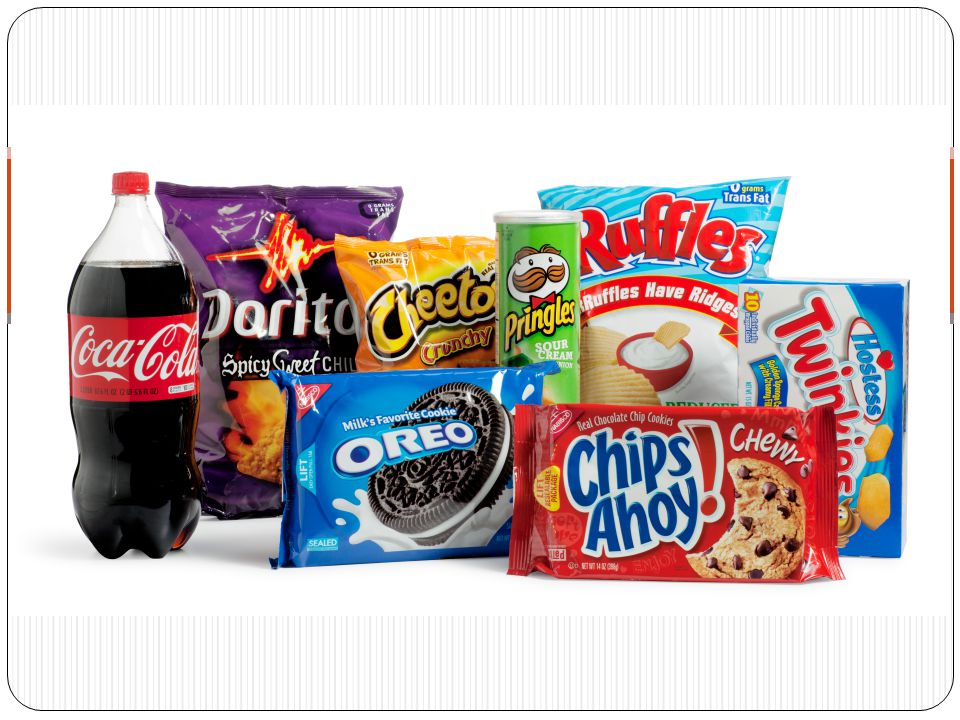
Packed foods are slowly becoming popular and part of our day to day lives. We consider packaged foods as a quick and convenient option as they are easily available and are priced at a level where almost everyone is able to buy them. But one thing we often overlook is the harm which they are doing to our body because of the added preservatives, salt and other chemicals. It can cause obesity, high blood pressure and risk of cardiac problems.

Foods that have been chemically processed and made solely from refined ingredients and artificial substances, are what is generally known as processed food.

Disadvantages of packaged foods

Contain artificial ingredients

All of the processed and packaged foods are full of artificial ingredients which we often overlook in the nutritional labels. That’s because many of the ingredients in there aren’t actual food… they are artificial chemicals that are added for various purposes. Some of the ingredients are-

  • Preservatives: Chemicals that prevent the food from rotting.
  • Colorants: Chemicals that are used to give the food a specific color.
  • Flavor: Chemicals that give the food a particular flavor.
  • Texturants: Chemicals that give a particular texture.

High in refined carbohydrates

Carbohydrates from whole foods are much healthier than carbohydrates from processed food items. Carbs from processed foods are simple carbs which are digested rapidly in the blood stream causing an insulin spike whereas carbs from whole foods are complex carbs which contain dietary fiber.

They often contain empty calories without nutrients

Packaged foods despite being good in taste are often very low in nutrients which mean they do not provide a feeling of fullness and we tend to eat more.

In some cases, synthetic vitamins and minerals are added to the foods to compensate for what was lost during processing. However, synthetic nutrients are NOT a good replacement for the nutrients found in whole foods.

They are low in fiber

Fiber is essential for our body since it is responsible for proper digestion. It slows down the digestion of carbs and can help you to feel full for longer. The fiber that is found naturally in foods is often lost during processing, or intentionally removed. Therefore, most processed foods are very low in fiber.

High in trans fats

Packaged foods are very high in unhealthy fats. Artificial trans fats (or trans fatty acids) are created in an industrial process that adds hydrogen to liquid vegetable oils to make them more solid. The primary dietary source for trans fats in processed food is “partially hydrogenated oils.

Consuming trans fats has been shown to increase the risk of coronary artery disease in part by raising levels of low-density lipoprotein (LDL, often termed “bad cholesterol“), lowering levels of high-density lipoprotein (HDL, often termed “good cholesterol”), increasing triglycerides in the bloodstream and promoting systematic inflammation.

Calorie dense and addicting

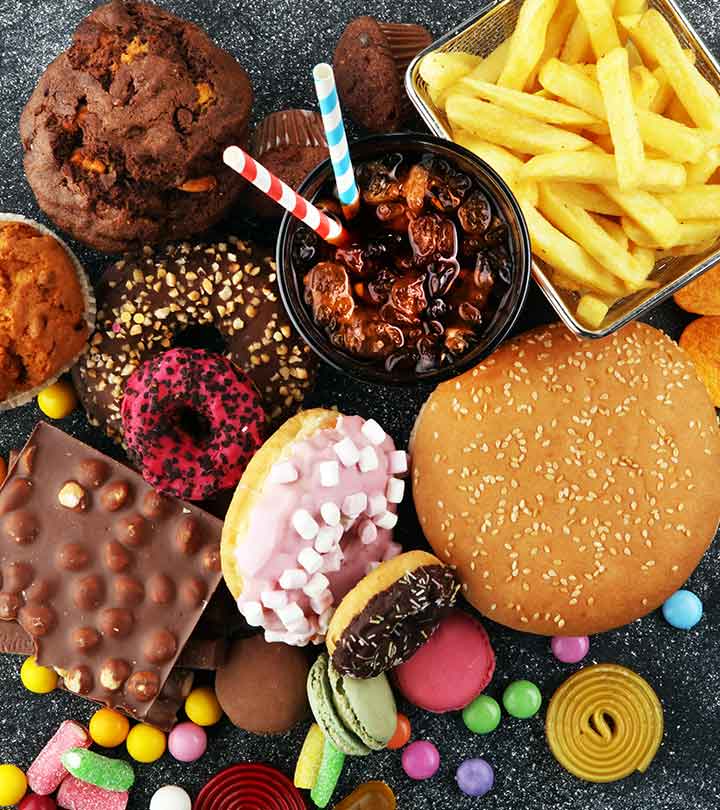
It is very easy to overindulge in unhealthy food and consume more calories than we realize which leads to weight gain. These foods are so low in nutrients and dietary fiber that we tend to eat large quantities without getting the feeling of being full.

Processed foods are designed to stimulate our brain’s “feel-good” dopamine center, making us crave more of them in the future.

Study Finds India Has The Most Unhealthy Packaged Food in The World

1566560108408-20190822_Unhealthy_Packaged_Food

A new Oxford study found that packaged food and drinks made in India contain high levels of saturated fats, sugars and salts and are the most unhealthy in world.

The George Institute for Global Health at the University of Oxford came to this conclusion after analysing more than 4,00,000 food and drink products from 12 countries around the world, using Australia’s Health Star Rating system to rank them. This system breaks down the nutrient concentration and measures the energy, salt, sugar, saturated fat as well as protein, calcium and fiber.

The study found that the UK came out on top with a rating of 2.83, followed by the US with 2.82 and Australia with 2.81. India ranked the lowest with a rating of 2.27, followed by China at 2.43 and Chile at 2.44.

This article is a wake up call for everyone

After reading this article, you must have come to know how unhealthy is the packaged food we consume. Moreover after seeing the research, you are now familiar that India has the unhealthiest packaged food in the entire world.

So limit the consumption of packaged foods and think 10 times before reaching out to them when you go to a store next time. Opt for real, fresh and whole foods which are full of nutrition and beneficial for your body. “Health is wealth!”

Why Are You Not Losing Weight Despite Walking Regularly

The first thing anyone thinks of doing to lose weight is starting to go for a walk daily. Whether you are a teenager, adult or even an old person, going to the park for a walk everyday is a good way to keep yourself fit physically and mentally.

Physically it makes you more active, improves stamina and helps you burn calories. Mentally it helps you by making your mind fresh and relieving stress.

Is walking enough to lose weight?

The question which arises is that is going for a walk everyday enough to lose weight? Losing weight depends upon being in a caloric deficit i.e. when the intake of calories is less than the expenditure of calories. When you burn more calories than you consume, only then it can make you lose weight.

Walking can aid in weight loss..but mere walking is not enough

Going for a walk is a great way to burn calories which will help you to increase calorie expenditure. But if you think only going for a walk everyday will help you lose weight, unfortunately you are mistaken. Walking along with a proper diet is the best way to help in weight loss.

Importance of DIET

The importance of a good diet cannot be stressed upon much. It is very important to consume the right combination of food items to ensure you are on the right track to lose weight. Diet is 70% and exercise is 30%. So even if you score full marks in exercise, you can always miss on the diet. So it is important to keep a strict diet.

So when you are eating right, the calorie intake is kept in control and then when you supplement it by walking regularly, you further add towards the caloric deficit.

The mistake you might be making

The main mistake you might be making is not keeping a track of calories consumed. You know that you go for a walk daily but often have very less idea about how much food you should be consuming and how much you actually are consuming. This often makes you fail towards attaining your goal. So from now, start keeping a track of the amount of calories you consume and you will start achieving your weight loss goal faster. Add the routine of walking with good diet and you will be in a caloric deficit.
The ideal diet

The best diet for losing weight is one that is good for all parts of your body, from your brain to your toes, and not just for your waistline. It is also one you can live with for a long time. In other words, a diet that offers plenty of good tasting and healthy choices, banishes few foods, and doesn’t require an extensive and expensive list of groceries or supplements.

Diet and Weight Loss

All the exercises in the world and supplements would not help you to lose weight if diet is not in check. Whereas if you keep your diet strict and live an active lifestyle without exercising, even then you can lose weight. This is the importance of diet for weight loss. Some simple tips to follow in your diet are adding more protein rich food items, avoiding fried food, avoiding sugar and refined carbs, choosing whole grain carb sources, minimizing intake of extra salt and preservatives etc.

So use walking as a supplement to a good diet routine!

Keep your diet in check and when you go for a walk daily, see the results yourself. You will lose weight, feel happier and more confident.

Common health food myths which need to be busted

When it comes to health food myths and misconceptions, there is no shortage of endless and senseless sayings which people even in today”s time think are true. Following are some of the most common myths which need to be busted right now.

Eggs are bad since egg yolks contain cholesterol

Eggs do contain a substantial amount of cholesterol in their yolks—about 211 milligrams (mg) per large egg. And yes, cholesterol is the fatty stuff in our blood that contributes to clogged arteries and heart attacks. But labeling eggs as “bad for your heart” is not the right way. Most healthy people can eat an egg a day without any problems.  For most of us the cholesterol we eat—in eggs or any other food—doesn’t have a huge impact on raising our blood cholesterol; the body simply compensates by manufacturing less cholesterol itself. The chief heart-disease culprits are “saturated and trans fats, which have much greater impact on raising blood cholesterol. A large egg contains 2 grams of saturated fat (10 percent of the Daily Value) and no trans fats.

Carbohydrates make you fat and are evil

These days, there is a common misconception that carbs are evil. Ask anyone what to do to lose weight- and the first thing you hear is minimize carbs. The main problem is we do not distinguish between simple and complex carbs and put all the carbs in one bracket. Simple carbs include foods like refined flour, white rice which spike your insulin and have negligible fiber whereas complex carbs like whole wheat chapatti, brown rice, oats do not spike insulin levels and contain fiber which helps you keep full for long time.

Carbs do not make you fat, eating more calories does. So to lose weight, skip the simple carbs and you can consume complex carbs while keeping portion control in mind.

Do not eat post 8pm

Another myth which is simply more of a joke. Your body does not magically turn food to fat if you eat post 8 pm. 200 calories consumed at 12 pm would be 200 calories at 12 am too. Weight gain occurs if you consume more calories and not because of eating later at night. Just make sure to consume last meal at least 2-3 hours before sleeping to give your body enough time to digest and utilize all the nutrients effectively.

Eating fat makes you fat

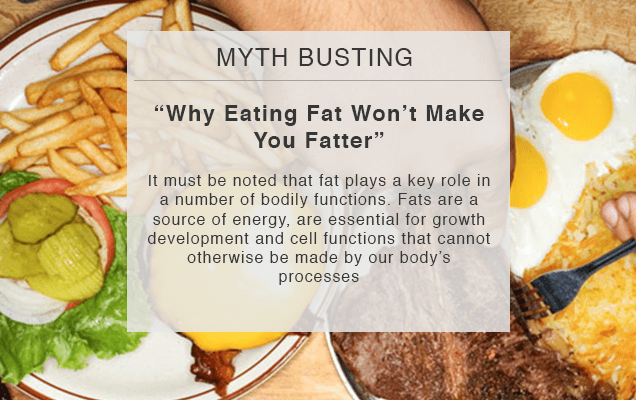
As you may have seen in the pic above, fats play an important role in the proper functioning of our body. They are a source of energy giving up on fats can lead to disrupting normal body functioning.

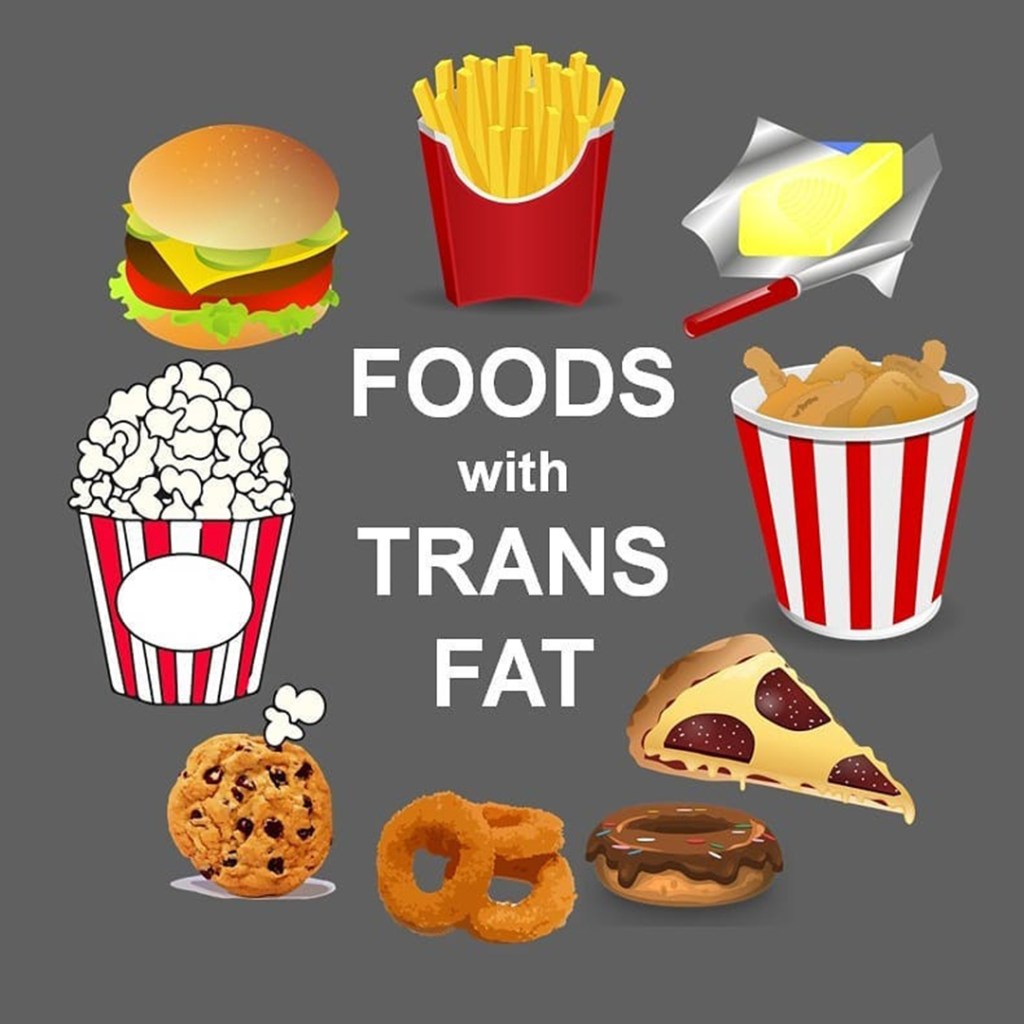
While, gram per gram, fat has more calories than carbs and protein, fat provides you with a feeling of fullness and helps your body absorb nutrients like vitamins A, D and E. The fats to avoid are trans fats and saturated fats. These fats are often found to be culprits in packaged foods such as french fries, margarine, cake mixes, and Ramen noodles. These fats will raise LDL (bad cholesterol) and lower your HDL (good cholesterol). On the other hand peanuts, peanut butter, avocados contain good fats lower cholesterol and reduce inflammation in body.

Bananas and mangoes are fattening

Ask anyone do bananas and mangoes make you fat and 99% of people will say yes they do.

Bananas is a nutrient-dense food that is great for instant energy. Loaded with vitamins and minerals, including potassium, vitamin B 6, vitamin C, fiber and various antioxidants with only 1/2 gram of fat, it is a perfect snack and does not lead to weight gain.

It is often said that excess of anything is bad. It is true for mangoes too. One should not go berserk while gorging on this delicious fruit. It is suggested that instead of eating it after meals one should eat it during mid-morning or evening. Mango is called king of fruits and has benefits like lowering cholesterol, helps in digestion, good for eyes, boosts immune system and prevents heart diseases.

As a result of mangoes being high in fiber, they leave one feeling full, so there is no need to snack in between meals, and their sugar content substitutes for biscuits and other candy. Therefore, mangoes are not fattening fruits by themselves. In keeping with the daily calorie intake for a particular day, persons are able to maintain their weight and eating over the calorie limit, even if it is a mango, will add to weight gain.

Design a site like this with WordPress.com
Get started