How to stay healthy after 40

40 is not a big age. People after turning 40 start giving up on fitness, instead they should be taking more care of themselves. This article will tell you about the tips which will help you stay healthy both physically and mentally after 40!

1- Watch your diet!
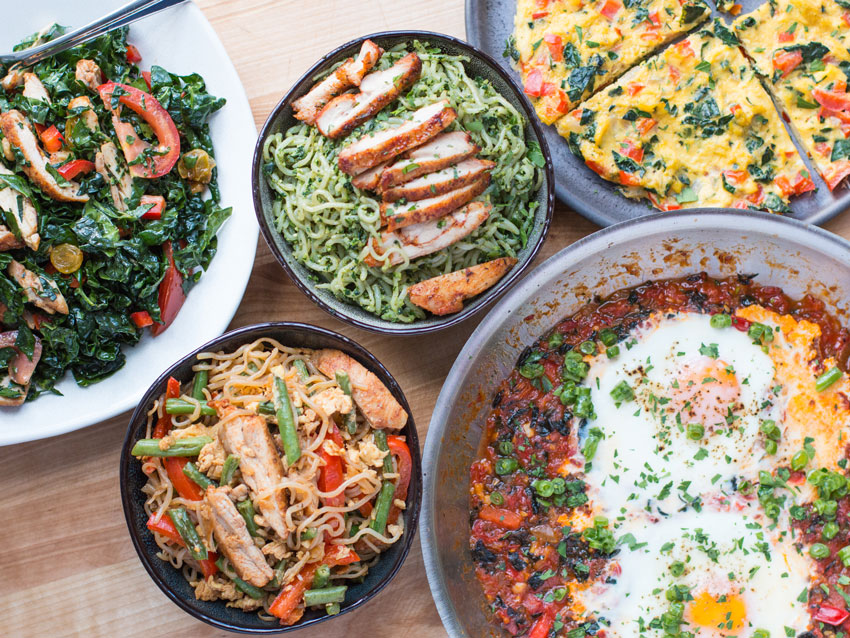
After 40, the first thing you should be doing is watching your diet. Remove processed foods, oily and starchy foods, fried items, limit intake of processed and salty foods, avoid fast food and street food. All these steps will ensure you are not increasing your risk of obesity, cholesterol, coronary diseases, blood pressure etc.

2- Get Active

By getting active, it can mean to start going for evening walks, moving more throughout the day and even joining a gym! After 40, we start losing up to 2% of muscle a year so combining strength training with cardio exercises will make our heart healthy in addition to maintaining muscle mass which will help you to look good. Just remember not to over train and exercise according to your age.

3- Cut back on empty calories
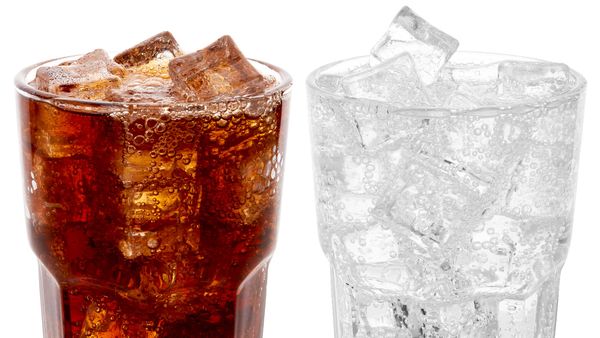
One of the biggest changes we experience in our 30’s and 40’s is how our body uses and processes calories. The ever-feared slowing of the metabolism is actually somewhat of a reality. “Focus on cutting out empty calories, because they add up quickly and don’t leave you feeling full. Avoid wasting your nutrient needs on empty calories items like chips, soft drinks etc.

4- Make having breakfast a priority
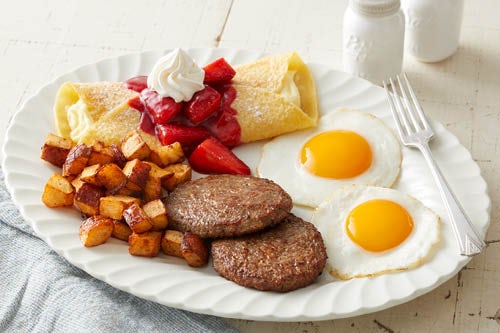
Consuming breakfast is an absolute must to boost our metabolism in the morning as after 40’s our metabolism starts slowing down significantly. Make sure to start your day with a healthy breakfast which includes healthy fats, protein and complex carbs.

5- Get your omega 3″s everyday
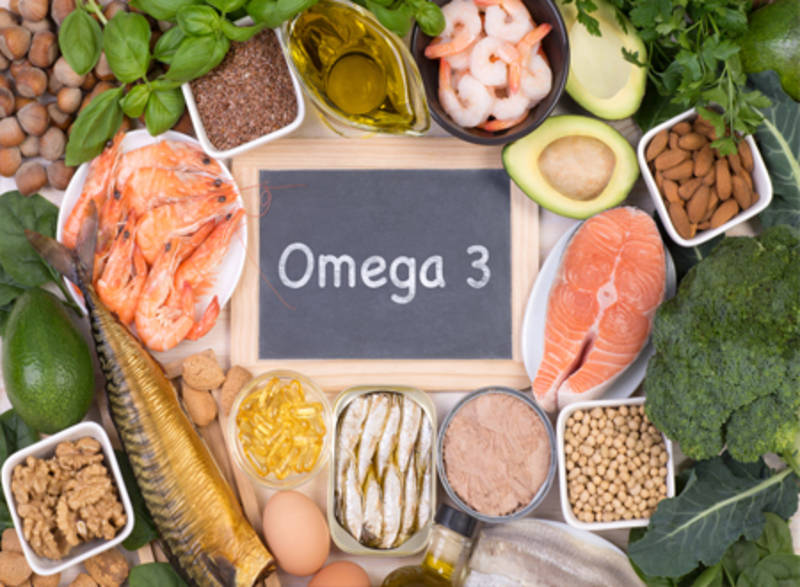
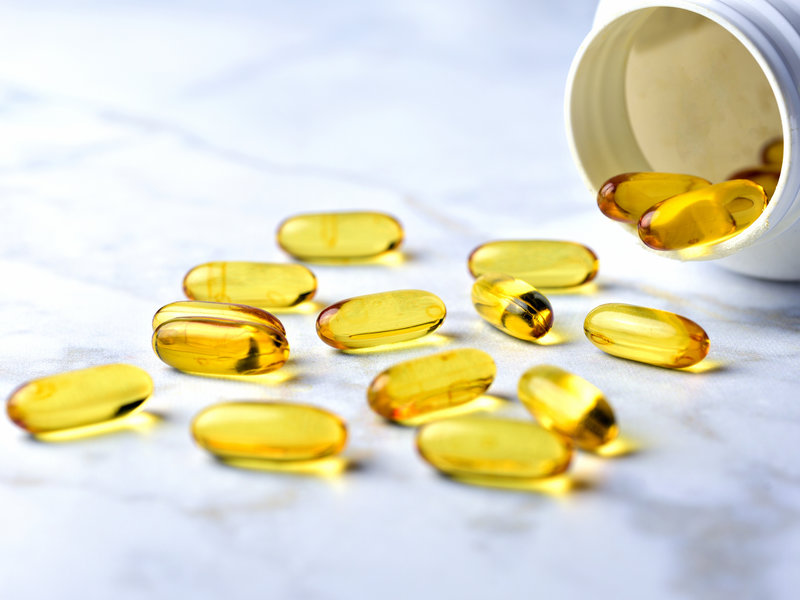
Omega 3 fatty acids are utmost important for proper functioning of brain, healthy heart and healthy joints. Joint pain which is very common post 40, can be reduced significantly by starting to consume foods rich in omega 3 like salmon, walnuts, flax seeds or even supplementing with fish oil capsules.

6- Increase your calcium intake
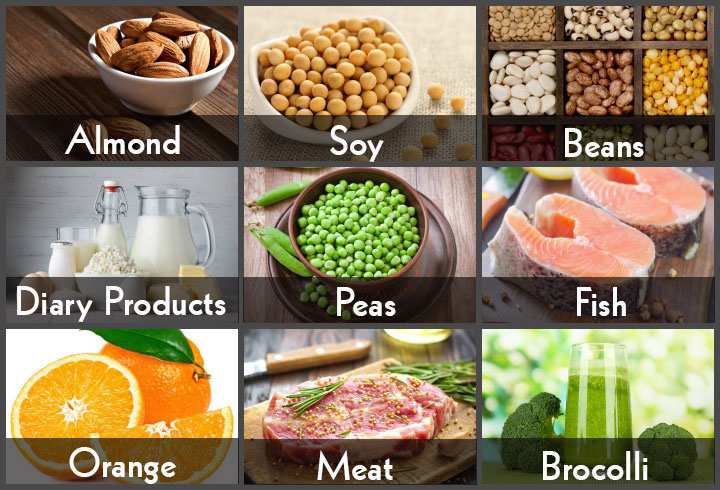
After 40, you should be really careful about your bone density and the ways by which you can strengthen it. After the age of 40, it is important to make sure you maintain healthy bones to avoid developing osteoporosis. It usually occurs in people over 50 and increases risk of fractures. To maintain bone density, consume 1,000 to 1,200 mg of calcium daily along with vitamin D and moderate exercise.

7- Get your health checkups done regularly
Make sure to get your health checkup done after every 3-4 months. Preventive health tests are necessary to find out any underlying diseases or high blood sugar, cholesterol, blood pressure etc. It also makes sure that you are aware of any deficiencies in your body so that you can act on them.

8- Manage your stress levels

Stress can trigger unhealthy changes in the body such as increased blood pressure, lower libido and faster cell death by inhibiting the natural heart rate. Even if it is not possible to completely eliminate stress, you can decrease it by meditation, yoga, deep breathing and exercise.

These were the few ways in which you can stay healthy after 40. There are a lot of more ways by which you can improve your heath while growing older which will be covered in another article.
Atkins Diet

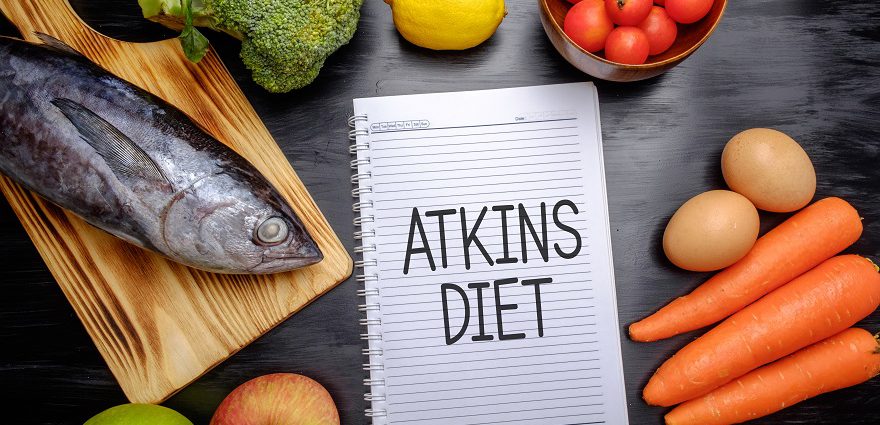
The Atkins Diet is a popular low-carbohydrate eating plan developed by cardiologist Robert C. Atkins. The Atkins Diet restricts carbohydrates while emphasizing protein and fats.

The motive of the Atkins Diet is to change your eating habits to help you lose weight and keep it off. The Atkins Diet also says it’s a healthy lifelong approach to eating, whether you want to lose weight, boost your energy or help improve certain health problems, such as high blood pressure or metabolic syndrome.

Phases of Atkins Diet

This diet involves four phases, starting with very low carbs and slowly increasing them until you get towards your desired weight. The theory behind these phases is that when you limit the intake of carbs, your body turns to the alternative fuel i.e. fats and uses them for energy. Simple sugars and starches like potatoes and white bread are totally ignored in this diet and protein and fat like chicken and eggs is preferred. This makes weight loss easier for the person who adopts this diet.

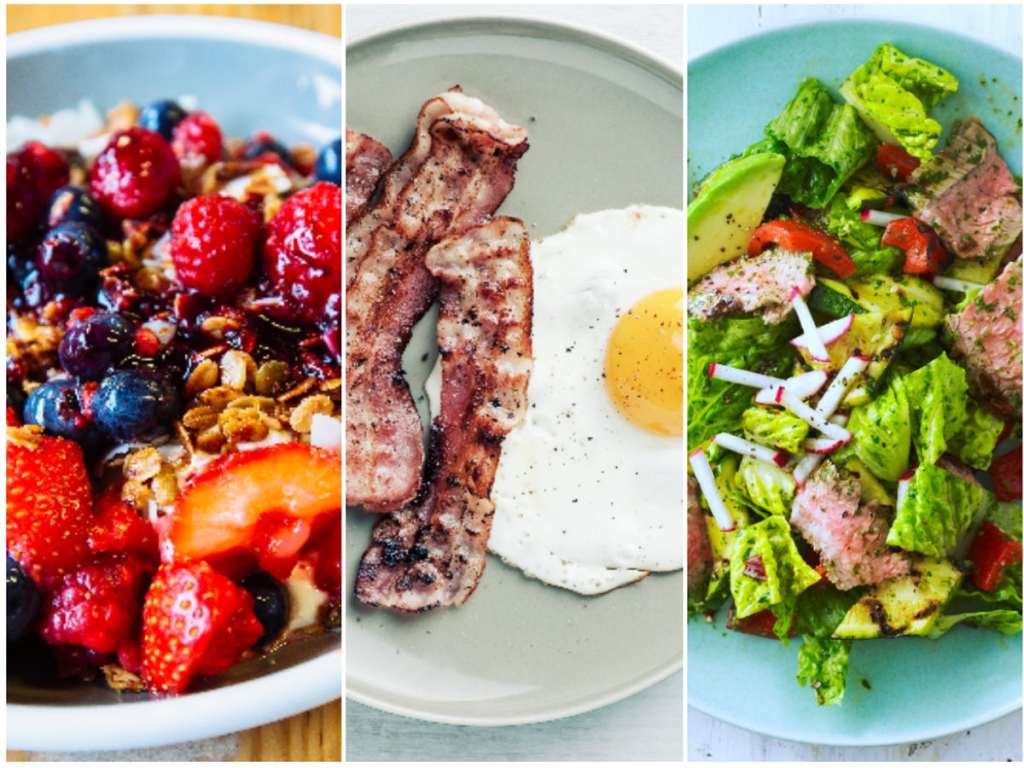
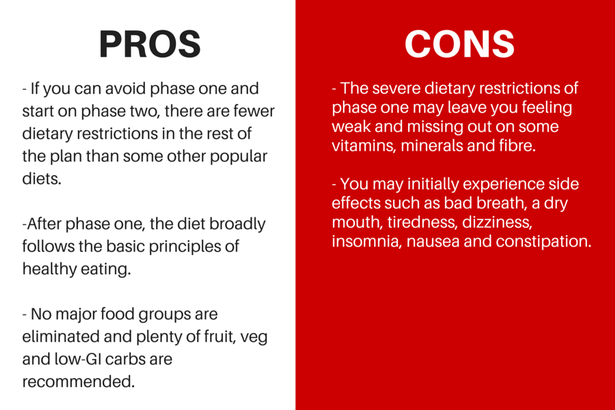
Phase 1 – This phase is the starting phase which is followed for 2 weeks and allows less than 20 grams of carbs per day. The diet consists of high fat and high protein foods whereas carbs are consumed from green leafy veggies.

Phase 2– In this phase, the body slightly adapts to the low carbs so we add some fruits, low carb veggies and nuts into the diet.

Phase 3– In this phase, when the person comes closer towards the target weight, he/she can add more carbs until the weight loss slows down.

Phase 4– This is the maintenance phase where you can add as many healthy carbs as you your body can tolerate without gaining weight.

Limiting carbs is not all in this diet

Apart from limiting the total intake of carbs for a day, limiting the amount of carbs you consume in one meal is also a major factor.

 A carb-heavy meal floods the blood with glucose, too much for the cells to use or to store in the liver as glycogen. So it ends up being stored as fat.

The Atkins Diet says its approach to carbs will burn off your body’s fat stores, regulate your blood sugar and help you achieve optimal health, while not leaving you feeling hungry or deprived. Once you’re at your goal weight, the Atkins Diet also says it will help you identify your personal carbohydrate tolerance — the number of grams of net carbs you can eat each day without gaining or losing weigh

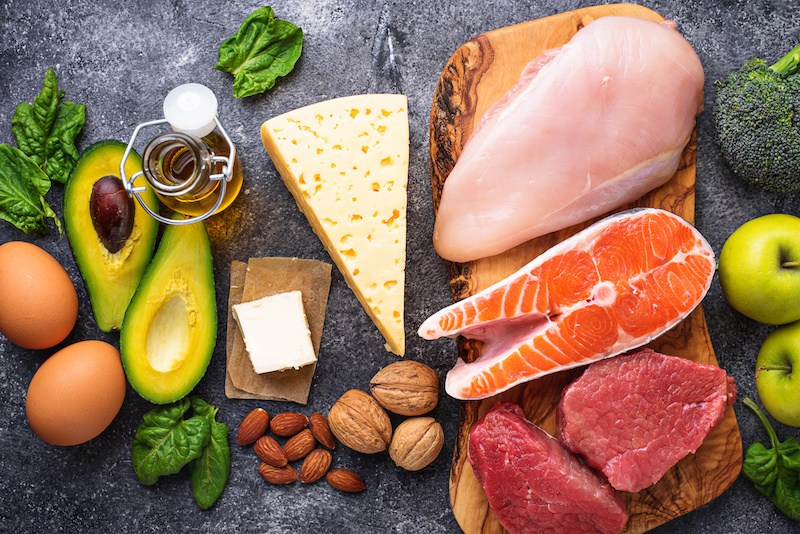
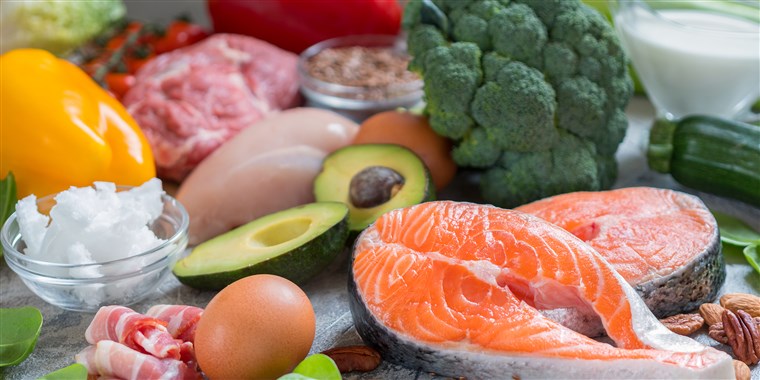
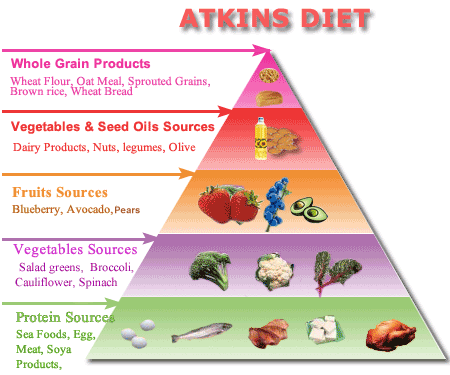
Foods to include in Atkins Diet

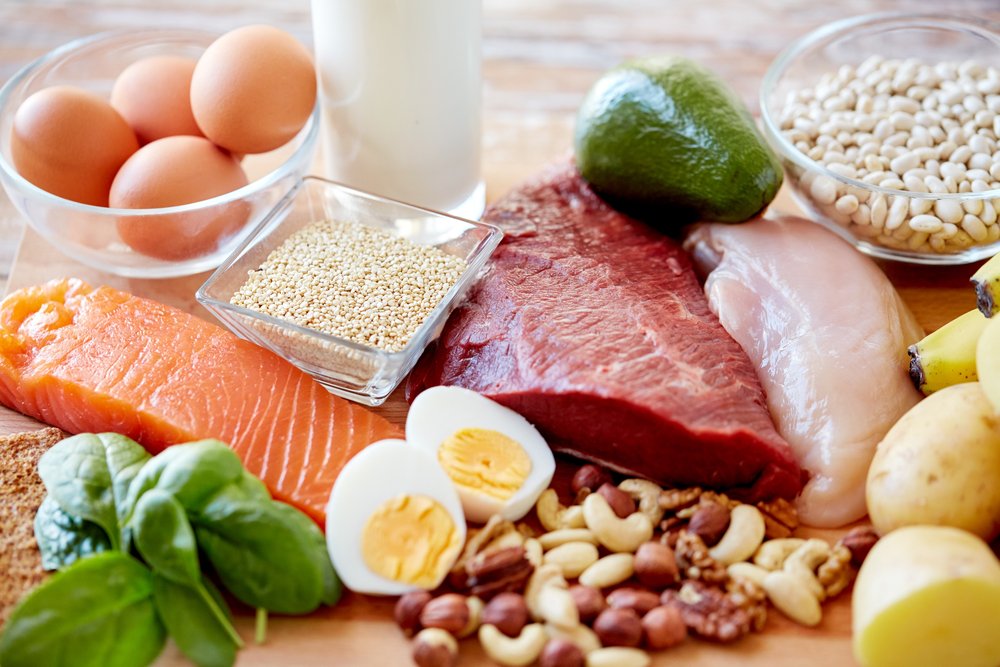
  • Chicken, meat, fatty fish like salmon
  • Full fat dairy products
  • Eggs
  • Avocados
  • Low carb veggies like broccoli, kale, celery, asparagus
  • Seeds and nuts
  • Healthy fats like olive oil, extra virgin olive oil, coconut oil

Foods to avoid in Atkins Diet

  • Simple sugars and starches like white rice, potatoes
  • Sugary beverages, soft drinks, pastries, candies
  • Legumes like lentils, beans, chickpeas
  • Vegetable oils- refined oil, soybean oil, canola oil etc
  • High carb fruits like bananas, apples, oranges, pears (induction phase only)

Benefits of Atkins Diet

Weight Loss– This is the first benefit which is seen since the diet is pretty low in carbohydrates. When consumption of carbs is decreased, caloric intake reduces and it results in weight loss.

No need to track calories– Tracking calories everyday can be frustrating and impractical for most of the people. The Atkins diet however, allows you to eat certain foods as much as you want to.

Reduced Cholesterol– The Atkins diet cuts down processed sugar and bad carbs from the diet which helps to lower the amount of bad cholesterol in the blood.

Helps manage blood sugar level– This diet limits the intake of simple carbs which are the main reason for insulin spike. Limiting simple carbs therefore helps to manage blood sugar levels.

Clear defined guidelines– Those who prefer a structured approach to eating will enjoy Atkins. Each phase of the program has a specific time or weight goal that is clearly explained.

Drawbacks of Atkins

Very strict– Very low-carb diets such as Atkins can be hard to follow because they require you to make too many changes from the start. Since most of us are too used to eating carbs, this sudden change might prove to be very difficult.

More chances of cheating– Separation from common foods is another challenge for those switching to the Atkins diet. If you socialize or eat out on a regular basis, you can expect to be surrounded by foods that are restricted on this program such as chips, bread, and pasta which increases the chances of cheating.

Counting carbs in every meal– This method of dieting will require you to stay within the personal carbohydrate range. Every time you sit down to eat, you will have to calculate carbs which can be inconvenient.

Low intake of vitamins and minerals– Lesser consumption of fruits and vegetables makes intake of vitamins and minerals low which can lead to deficiencies.

Paleo Diet

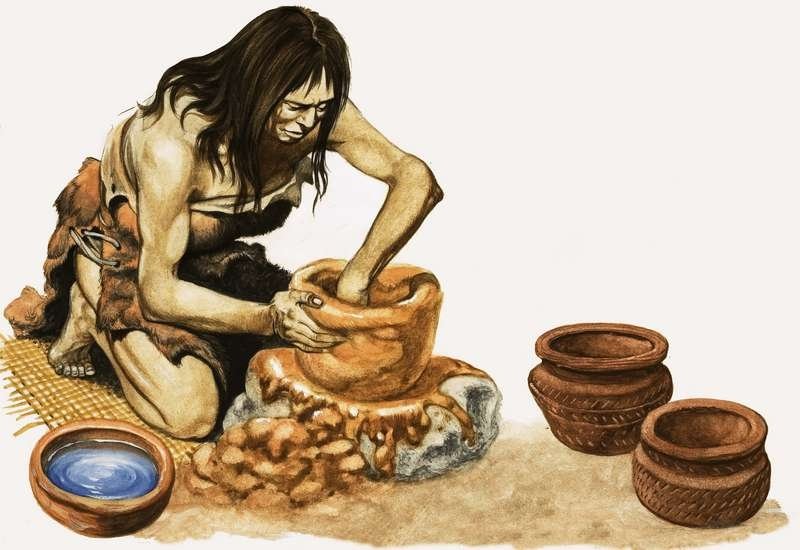
Paleo diet is another popular diet which has gained popularity recently. It is basically a diet in which we eat foods which were eaten in the Paleolithic era which dates back to more than 10,000 years ago.

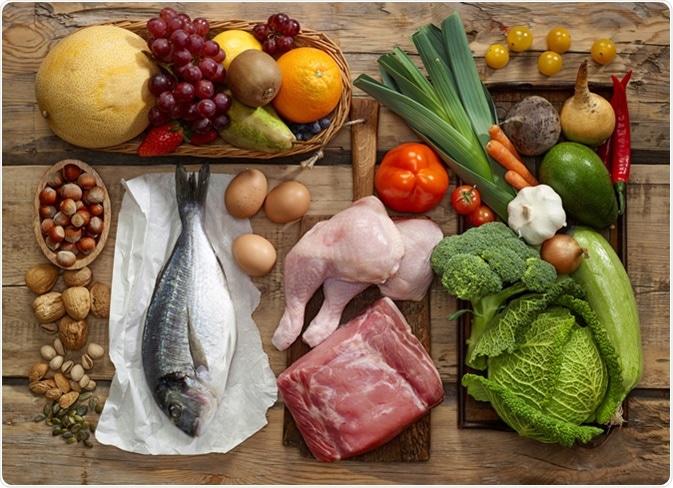
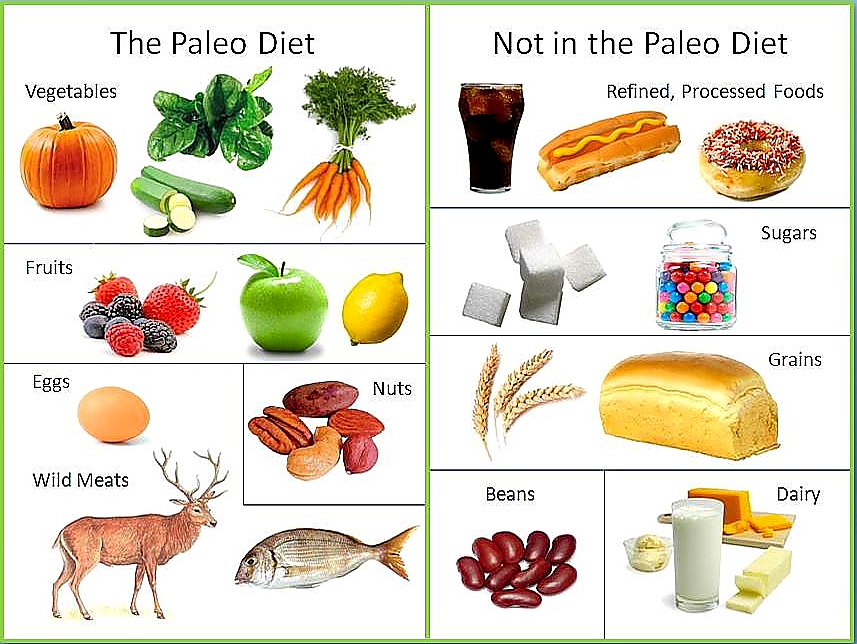
In this diet, we eat all those foods which were consumed by hunters and gatherers including fish, meats, vegetables, fruits, nuts, seeds, dairy products, legumes, grains etc. Paleo diet is also called the Stone Age diet and the Hunter”s diet.

Basic Motive of Paleo Diet

The main purpose of Paleo Diet is to eat those food items which were consumed by early humans. The diet’s reasoning is that the human body is genetically mismatched to the modern diet that emerged with farming practices.

Farming changed what people ate and established dairy, grains and legumes as additional staples in the human diet. In addition to that, the use of processed foods has also increased day by day in the modern diet. This sudden and rapid change in diet has outpaced the body”s ability to adapt and condition”s like obesity, diabetes and heart diseases are on the rise.

Food items to be consumed in Paleo Diet

In the Paleo Diet, these food options are included-

  • Fruits- apples, bananas, orange, pear, strawberries etc
  • Vegetables- onion, carrot, tomato, broccoli, peppers,spinach, cauliflower, cucumber, celery, mushroom etc
  • Fish (rich in omega 3 fatty acids like salmon)
  • Nuts and seeds- walnuts, almonds, pumpkin seeds, sunflower seeds etc
  • Eggs
  • Meat- chicken, lamb, turkey, pork etc
  • Healthy fats and oils- olive oil, extra virgin olive oil, coconut oil etc

Foods to be avoided

These foods should be avoided in the Paleo Diet

  • Pasta (including gluten free and whole wheat)
  • Rice
  • Bread
  • Roti
  • Oats
  • Refined vegetable oils
  • Dairy ( full fat milk and full fat cheese can be had but low fat dairy items are excluded)
  • Beans and lentils
  • Soda
  • Processed food items
  • Alcohol
  • Salt

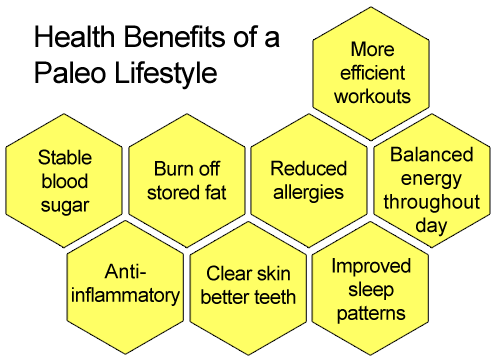
Benefits of Paleo Diet

1- The diet is rich in potassium – Eating a lot of fruit and vegetables increases potassium levels, which is important for maintaining a healthy blood pressure and healthy kidney and muscle function.

2- The fats are healthy – Consuming moderate amounts of unsaturated fats such as those found in nuts, avocado and olive oil gives rise to a healthy lipid profile.

3- High protein content: Proteins are essential for growth and development of the skin, muscles, bone and cartilage. Adequate amounts of lean protein in the diet contribute to a healthy body composition and a lowered insulin response.

4- Elimination of processed foods – The diet is comprised of whole foods, which means less salt and sugar is consumed. This improves blood sugar levels and blood pressure and can reduce the risk of cardiovascular disease and diabetes.

5- Lower inflammation– Too much inflammation in the body can increase the risk of health problems, including type 2 diabetes, but eating low-carb, low GI foods – particularly omega-3 fatty acids – can protect against excess inflammation.

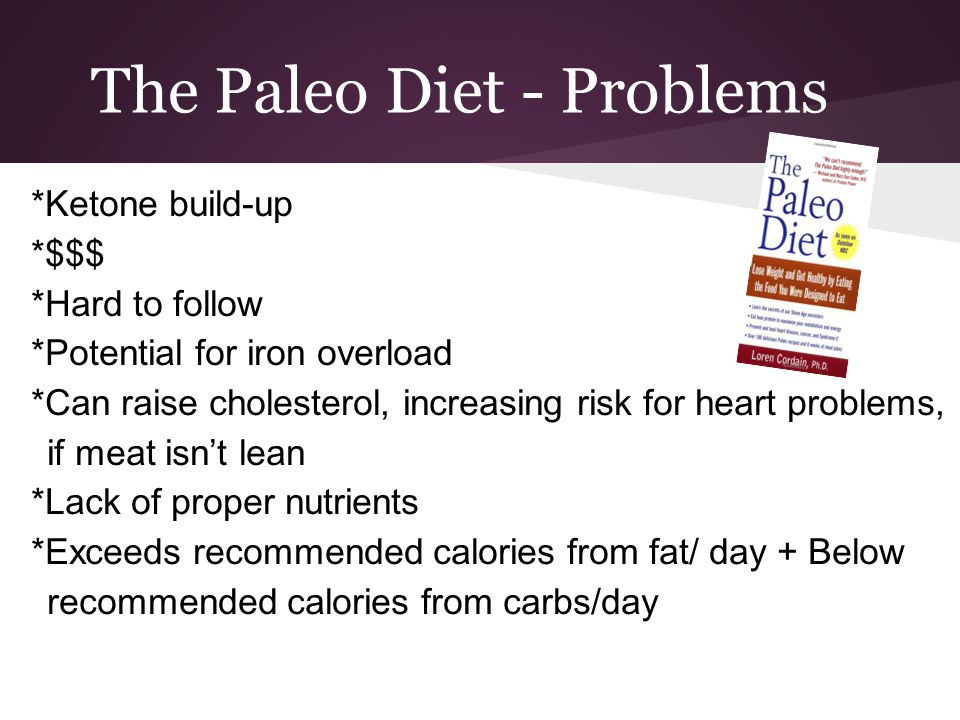
Drawbacks of Paleo Diet

1- Restrictions of Dairy Products– Restrictions on dairy products can lead to deficiency of vitamin D and calcium in our body.

2- Increased saturated fat intake– The paleo diet includes generous quantities of meat, oils and nuts which can increase the risk of coronary diseases and raise cholesterol levels.

3- Low energy levels– Paleo diet contains low to moderate carbohydrate intake. Since carbs are the primary source of energy in the body, fewer intake of carbs affects the energy levels throughout the day.

4- It can be expensive– The paleo diet can be expensive at times since meat, fish and nuts can actually be expensive to consume everyday and not everyone can afford it.

5- Not suitable for those who workout– Athletes and active people who workout everyday would not be advised this diet since it includes very less quantity of carbs which are the main source of energy for our body.

Conclusion

The Paleo diet can be very typical and expensive at times, so before deciding to follow this diet, you have to keep the following factors in mind-

  • Vegetarians may not find this diet easy
  • Active people/ athletes would not find this diet suitable
  • It can be heavy on your pocket
  • Those suffering from high cholesterol/heart disease are not advised to follow this diet

All about High Protein Diet

High protein diets have become very popular these days, specially among those who are regular to gym and are aiming to pack on muscles.

But a high protein diet is not just important for the gym goers, it can also be very helpful for those who are struggling to lose weight or aiming for fat loss instead of weight loss.

Weight loss includes fat loss and muscle loss which can lead to loose skin whereas fat loss makes sure that muscle is preserved and body fat is decreased. Our aim should be fat loss instead of weight loss.

How much protein to consume

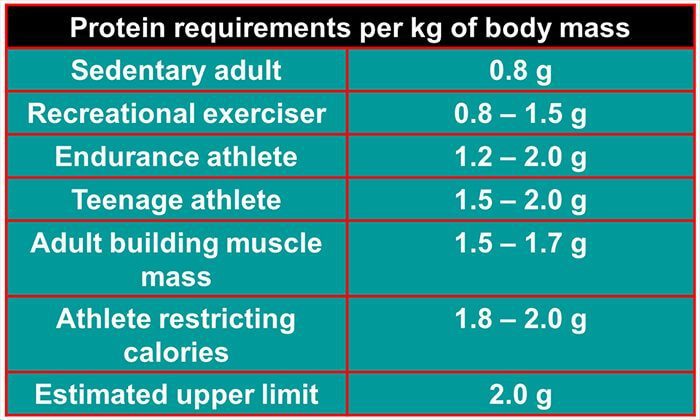
The protein requirements differ according to a person”s age, gender, level of activity, weight etc. The above chart shows the ideal protein intake per kg of body weight for different types of persons. Just make sure not to consume protein more than 2 grams per kg of body weight as it can be left unutilized by the body and increase daily caloric intake.

High Protein diet benefits

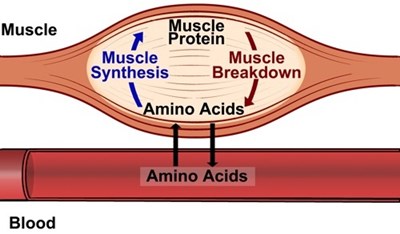
Builds Muscle– Protein is made up of amino acids which are the building blocks of muscle. After an intense workout, consuming protein helps in recovery of muscles and makes them stronger.
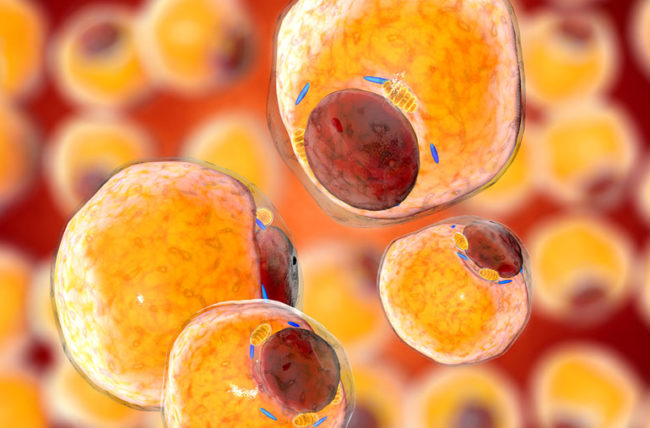
Weight Loss– Protein helps you to keep full for longer which means you will be consuming fewer calories throughout the day. This decreases your caloric intake and finally helps in weight loss.

Strong Bones– Studies have shown that people who consume more protein have a better bone density which lowers the risk of fractures and osteoporosis. So apart from calcium, protein is also beneficial for maintaining bone health.

Helps you burn more calories– Eating a diet high in protein helps you burn more calories. Protein has a thermogenic effect in the body that means the body expends energy or burns off calories during the digestion process. Compared to other foods, like carbohydrates which have the same caloric value, protein actually has a greater thermogenic effect.

High protein diets affecting kidneys- a myth

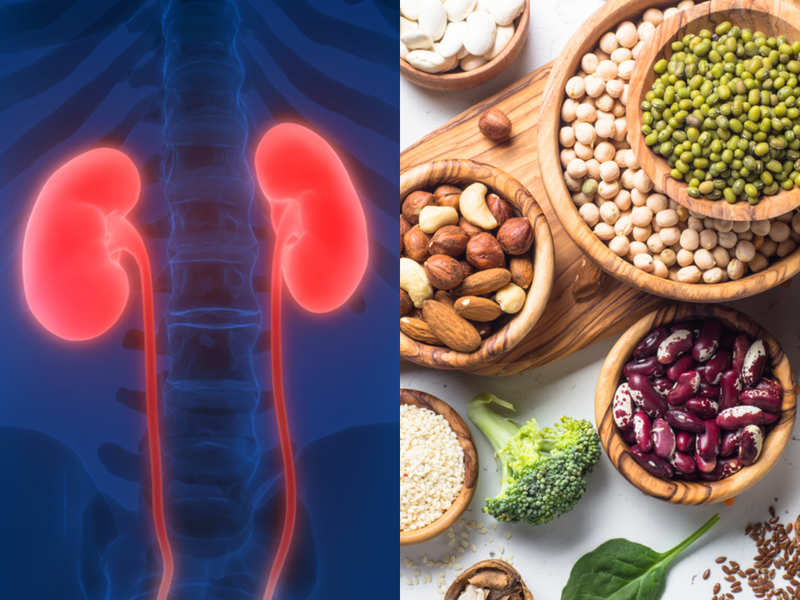
A high protein diet affects your kidneys! This is the biggest and most common myth which most of the people still think is true. The basic thinking is that eating more protein makes your kidneys work harder which pits additional stress on them and it can affect their functioning.

This is the most baseless myth which has no evidence till now. A high protein diet intake has been shown to accelerate kidney damage in people who already have an existing kidney disease. However, higher protein diets don’t adversely affect kidney function in healthy people.
Keep in mind these points-

1- Some high-protein diets restrict carbohydrate intake so much that they can result in nutritional deficiencies or insufficient fiber, which can cause problems such as bad breath, headache and constipation.

2- Some high-protein diets include foods such as red meat and full-fat dairy products, which may increase your risk of heart disease.
3- A high-protein diet may worsen kidney function in people with kidney disease because your body may have trouble eliminating all the waste products of protein metabolism.
4- Try to complete your daily protein requirements from whole food sources only. Add protein supplements only if your are not able to consume your daily quota of protein from food sources.

5- Consume at least 4-5 litres of water daily and add salad, sprouts and papaya in your diet which will assist your body to break down protein more efficiently.

If you are looking to follow a high protein diet, make sure your protein choices are picked wisely. Include foods like tofu, chicken breast, eggs, fish, lentils, beans and limit the intake of red meat, full fat cottage cheese, full fat milk and foods containing saturated fat.

All About Cheat Meals

When you are into a strict fitness regimen, which includes intense workouts and strict dieting, you have to give up on your favourite foods to get results. A cheat meal is basically a meal in which you include anything and any food item which you love so that it can satisfy you and your mind which help you start dieting again.

Typically, a cheat meal is a small reward which is given to you, by you, for being consistent in a strict diet plan.

How often can you have a cheat meal?

The answer to this question depends on you! If you have a decent physique and working out just to stay in shape, a cheat meal every week would not matter much to you.

But if you are someone who is overweight and aiming to lose those extra pounds, a cheat meal should be had only once or at max twice a month.

Science behind cheat meals

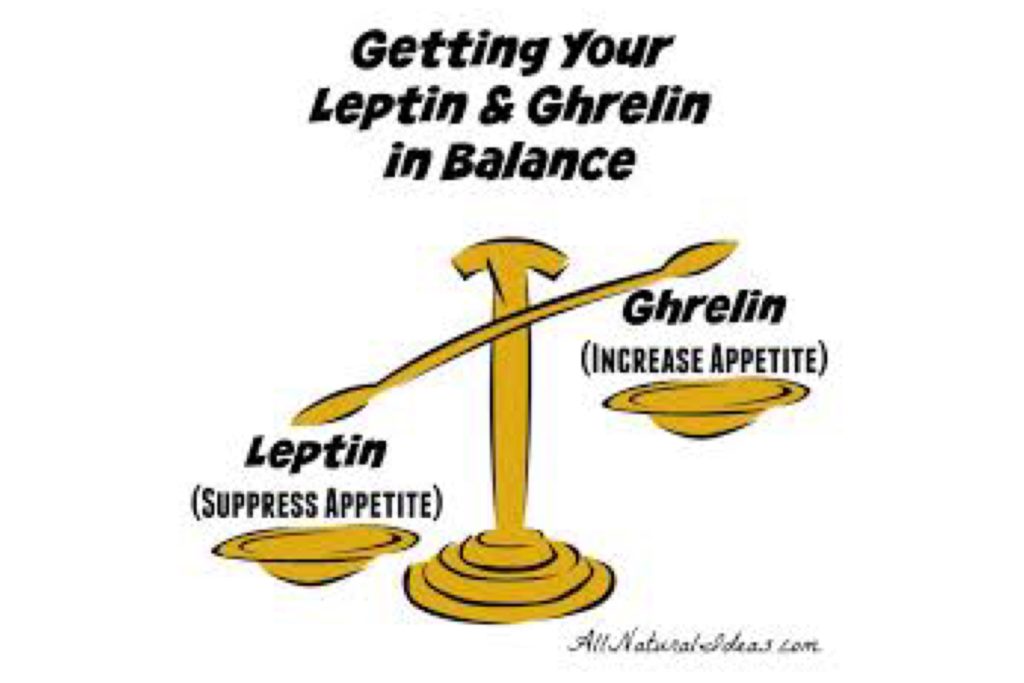
Leptin, a protein mainly produced by fat tissue, regulates appetite and energy balance in the body. It acts on the brain’s hypothalamus to suppress food intake and stimulate the use of energy, or calories. Leptin plays a key role in regulating body weight and fat mass through its stimulating effect on the brain. In fact, studies have shown that within 24 hours of fasting, leptin levels decrease to 30 percent of their normal value.

But it doesn’t end with leptin. Ghrelin, a peptide hormone mainly produced by the stomach, is an appetite stimulant that signals the release of growth hormone. Low-calorie diets and chronic exercise have been shown to result in increased ghrelin concentrations, which may lead to increasing food intake and body weight.

In addition to affecting appetite and energy use through leptin and ghrelin, sustained caloric-deficit diets also cause the body to attempt to conserve energy by decreasing levels of the thyroid hormones T3 and T4, which help regulate and maintain metabolism. Sustained low-carbohydrate diets deplete the body of glycogen stores and can leave you feeling sluggish and weak, which can negatively affect your training performance.

Since significant changes in the levels of leptin and ghrelin are seen after only 72 hours of a calorie-restricted diet, weekly cheat meals that are higher in calories and carbohydrates can help raise leptin levels and lower ghrelin. This is important because the return of your hormone levels to normal can help reverse or even prevent any negative effects on metabolism, hunger drive, and energy expenditure. In addition, the increased calories will also help to increase thyroid function, further boosting metabolism.

This increase in metabolism can last for days after your body digests a cheat meal, thus offsetting the drop in hormones that occurs when the calorie-deficit diet is again resumed. As a result, a scheduled cheat meal can actually help optimize our body’s hormones to avoid weight-loss plateaus and prevent it from entering starvation mode.

Cheat Meals V/S Cheat Days

Cheat days are much better than cheat meals. If you are craving for a pizza, a slice or two is better than gobbling down the whole pizza. It will satisfy you and at the same time save you the extra calories from eating the whole pizza.

Similarly increasing the amount of calories in one meal in a day would not affect you much but if you start having cheat days, each meal will add on the calories consumed and it can actually sabotage your weekly created caloric deficit.

Cheat days can literally undo your whole week of dieting and training. By breaking it down into a cheat meal, you can keep check of how you respond to the increase of calories.

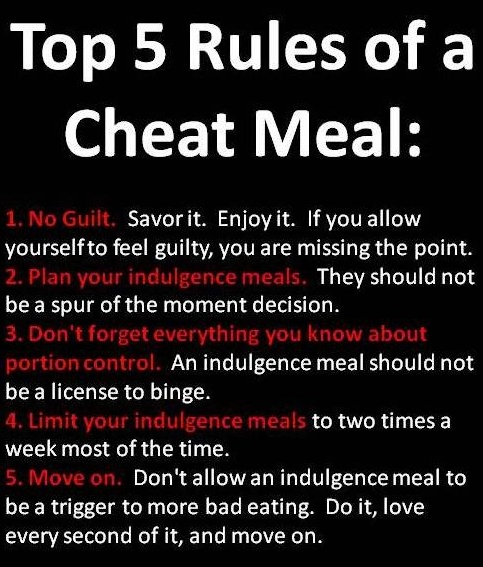
Plan, indulge, enjoy and forget

The motive of a cheat meal is to satisfy your craving. So it is important to savor and enjoy the meal while eating instead of feeling guilty. Planning a cheat meal in advance is a great way of making sure you do not overeat and plan the rest of calories accordingly. After finishing a cheat meal, instead of overthinking, just forget it and continue towards your fitness regime.

Celebrity Fitness Journey- Sonakshi Sinha

Sonakshi Sinha was overweight before entering films. She weighed about 90 kgs and loved to munch junk food and did not follow any workout regimen. Sonakshi was always criticized for being plump, but she never cared about what the body shamers thought of her. It was Salman Khan, her debut film’s co-star, who could finally motivate her to lose weight.

When the news of her Bollywood debut made rounds in the tinsel town, she immediately hogged the limelight mainly because of two reasons. Firstly, for being the daughter of a veteran actor- Shatrughan Sinha. And secondly, for being launched opposite Salman Khan in Dabangg. One more reason she became popular was for being overweight. While the 1st two reasons were fine, the third reason must have bothered the actress.

Start of the weight loss journey

From a plump kid to a hot diva, Sonakshi Sinha has now become a fitness icon for many. Sedentary lifestyle, lack of exercise and love for junk food were the main reasons behind her plump figure. But, with strenuous workout and diet plan, she got rid of her extra weight, “It was a combination of proper diet and vigorous exercise that got me to the shape I am in now,” she says.

In fact, she is thankful to her co-star Salman Khan, for motivating her to shed that extra weight. It was due to his motivation that the actress lost 30 kgs for her first movie. She says, “He saw potential in me and egged me on to lose weight. I would say his contribution was the highest as I started taking it seriously only after he told me to.”

She is a self proclaimed foodie

When asked about her love for food in an interview, she said- “Food is my first love. I never followed a diet that makes me cranky and unhappy. I believe I work too hard to deprive myself of the one thing I love the most- food! I eat regular food, but in lesser quantities than before. Eating small meals every 2 hours helps in keeping up the metabolism all day. I even binge sometimes. Who’s gonna stop me when there’s a brownie right in front of my eyes? But if I do, an extra 20 minutes on the treadmill is a must.”

She starts the morning on a high note

She starts most of her mornings with cardio, that too on an empty stomach which further enhances fat loss. Her cardio routine consists of the stairmaster for 30 minutes which is followed by a brisk walk for 20 minutes. This makes sure her mornings start off fresh and she is active from the moment she wakes up!

Disciplined diet routine

Being a self proclaimed foodie, she had to make her diet disciplined. In an interview, she said- ” I’ve stopped eating bread completely unless it’s in the form of a pizza, which is my go-to cheat meal. I usually finish my carb intake by lunch, and for dinner it’s mainly protein. Fried foods, sugar are avoidable. Luckily, I don’t have much of a sweet tooth.”

Workout routine

Sonakshi hits the gym twice a day to shed fat, build lean muscle mass and strength. She trains under the guidance of celebrity fitness trainer Yasmin Karachiwala, and her workout regimen includes:

  • Cardio
  • Weight training
  • Functional training
  • Hot yoga
  • Spinning
  • Swimming or playing tennis

Sonakshi also swears by these rules-

  • Eat every 2-3 hours.
  • Drink water.
  • No carbs after 6:00 p.m.
  • Eat weight-gain food in moderation.

Diet Plan

She also makes sure to drink plenty of water to keep herself hydrated. Here is the diet plan, which she follows:

  • Breakfast: Cereal and milk with whole wheat toast.
  • Mid-morning: Some dry fruits and a cup of green tea.
  • Lunch: Homemade roti and sabzi with salad.
  • Evening: A fruit or a cup of green tea.
  • Dinner: She eats early and takes dal, sabzi, egg whites, chicken, and fish. She does not take any carbohydrates after 6 pm.

 She believes that depriving herself of all those treats and goodies would make her weak and unhappy. Instead of curtailing all her favorite foods, she now focuses on having them in lesser quantities. The Bollywood beauty eats small meals every 2-3 hours to keep her metabolism rate up all day. She was put on a low-carbohydrate, high-protein diet by her trainer in order to support her intensive exercise routine. Moreover, Sonakshi regularly drinks a fair amount of green tea that aids in weight loss.

What can you learn from her journey

From her journey, the 1 thing you can learn is that its never too late to get in shape and you do not have to starve yourself to lose weight. Your workouts do not have to be typically the gym oriented workouts, instead they can actually be customized so that you can stay active and at the same time enjoy your workouts.

Also, like Sonakshi, if you are a foodie, then you can include your favourite items occasionally but have to work up double and burn all the extra calories.

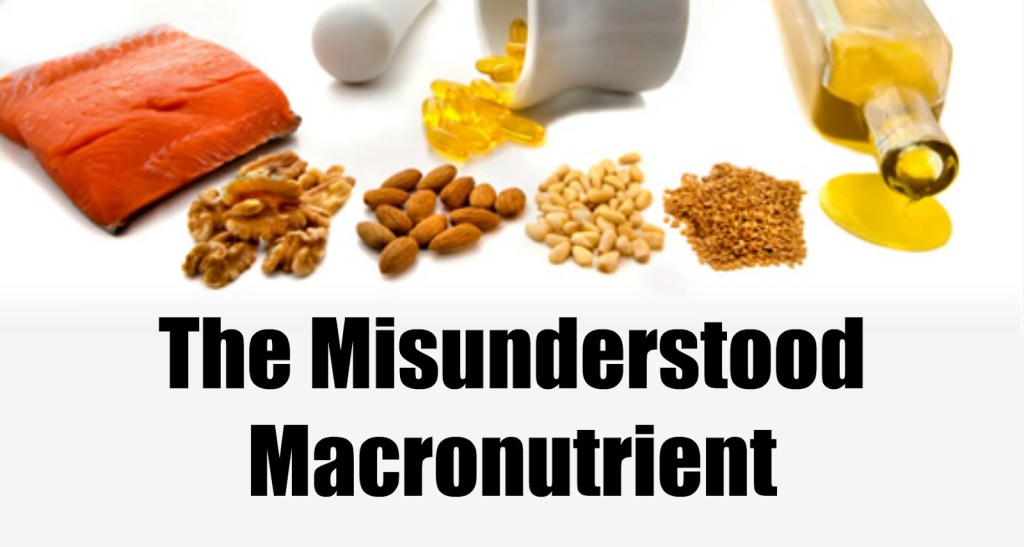
Fat- The Most Misunderstood Macro

Fat is just a macronutrient like proteins and carbohydrates. But unlike the other macronutrients, fat is most commonly misunderstood and feared. Just because of its name, the common misconception among people is that by eating fat, we will get fat.

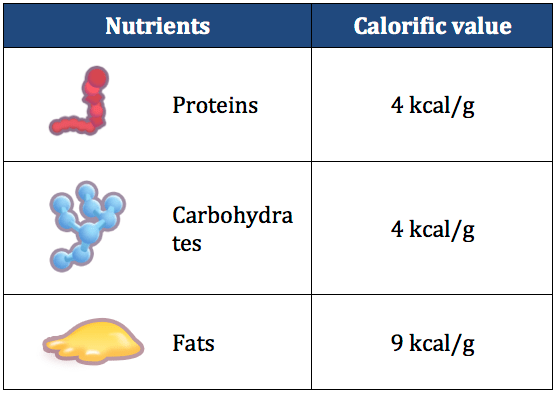
Protein and carbohydrates, both contain 4 calories per gram whereas fat contains 9 calories per gram. But just because it is more calorie dense than the other two, it does not mean that fat can actually make us fat.

Function of dietary fats in our body

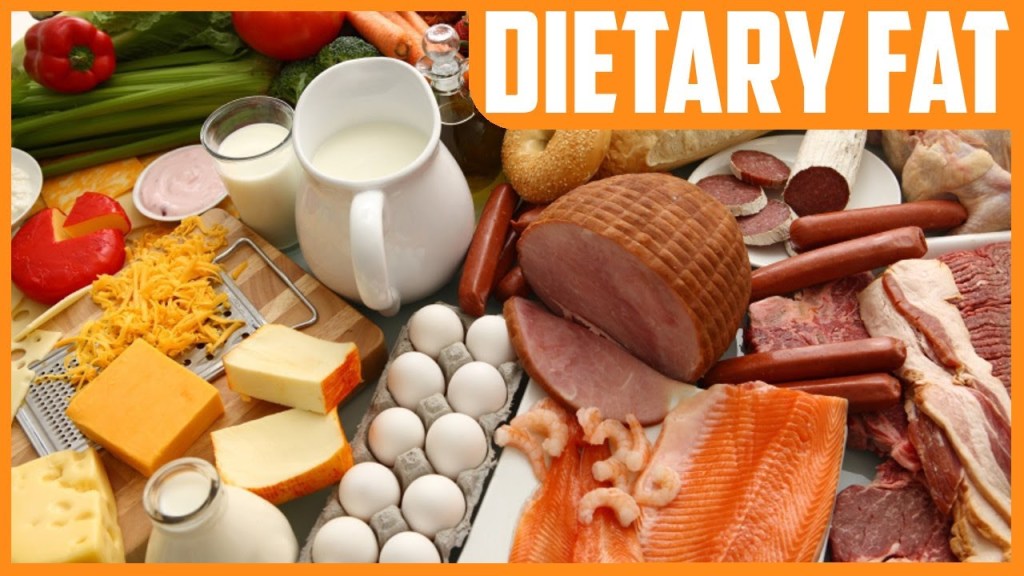
From a nutritional point of view, dietary fats are important for several health related aspects and for optimal functioning of the human body. Dietary fats are not just a source of energy; they function as structural building blocks of the body, carry fat-soluble vitamins, are involved in vital physiological processes in the body, and are indispensable for a number of important biological functions including growth and development.

Provides energy– Fats are a source of energy in the human diet, together with carbohydrates and proteins, the other two main macronutrients. Fat is the most concentrated source providing 9 kcal per 1 gram consumed, which is more than double the energy content of protein or carbohydrate (4 kcal per gram) and more than quadruple the energy content of fibre (2 kcal per gram). Fat can be stored in the body’s fat tissue, which releases fatty acids when energy is required.

Structural Component– The membranes around the cells in our body physically separate the inside from the outside of the cell, and control the movement of substances in and out of the cells. They are mainly made of phospholipids, triglycerides and cholesterol.

Both length and saturation of the fatty acids from phospholipids and triglycerides affect the arrangement of the membrane and thereby its fluidity. Shorter chain fatty acids and unsaturated fatty acids are less stiff and less viscous, making the membranes more flexible. This influences a range of important biological functions such as the process of endocytosis in which a cell wraps itself around a particle to allow its uptake.

The brain is very rich in fat (60%) and has a unique fatty acid composition; docosahexaenoic acid (DHA) is the major brain fatty acid. The lipids of the retina also contain very high concentrations of DHA.

Acts as a carrier of vitamins– In the diet, fat is a carrier for the fat-soluble vitamins A, D, E and K, and supports their absorption in the intestine. Consuming sufficient amounts of fatty foods that contain these vitamins is thus essential for adequate intake of these micro nutrients. 

Helps in other biological functions– essential fatty acids are involved in many physiological processes such as blood clotting, wound healing and inflammation. Also our bodies cannot produce the polyunsaturated fatty acids (PUFA) linoleic acid (LA) and alpha linolenic acid (ALA), without these essential fatty acids some vital functions would be compromised, thus they must be provided by the diet. 

Good Fats V/S Bad Fats

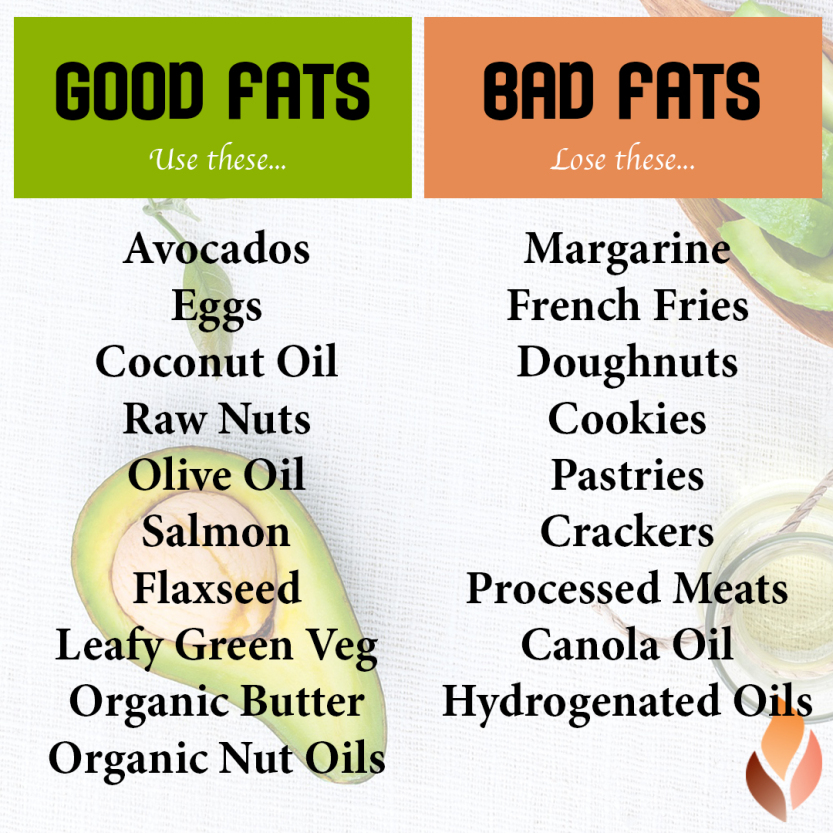
Unhealthy fats ( bad fats)

Saturated Fat– This type of fat comes mainly from animal sources of food, such as red meat, poultry and full-fat dairy products. Saturated fats raise high-density lipoprotein (HDL or “good”) cholesterol and low-density lipoprotein (LDL or “bad”) cholesterol levels, which may increase your risk of cardiovascular disease.

Trans Fat– This type of fat occurs naturally in some foods in small amounts. But most trans fats are made from oils through a food processing method called partial hydrogenation. These partially hydrogenated trans fats can increase total blood cholesterol, LDL cholesterol and triglyceride levels, but lower HDL cholesterol. This can increase your risk of cardiovascular disease.

Healthy Fats (Good Fats)

Monounsaturated Fatty Acids– This type of fat is found in a variety of foods and oils. Studies show that eating foods rich in monounsaturated fatty acids instead of saturated fats improves blood cholesterol levels, which can decrease your risk of heart disease and may also help decrease the risk of type 2 diabetes.

Polyunsaturated Fatty Acids– This type of fat is found mostly in plant-based foods and oils. Evidence shows that eating foods rich in polyunsaturated fatty acids instead of saturated fats improves blood cholesterol levels, which can decrease your risk of heart disease and may also help decrease the risk of type 2 diabetes.

Omega 3 Fatty Acids– One type of polyunsaturated fat is made up of mainly omega-3 fatty acids and may be especially beneficial for heart health. Omega-3, found in some types of fatty fish, appears to decrease the risk of coronary artery disease.  Flax seeds are also a good source of omega 3.

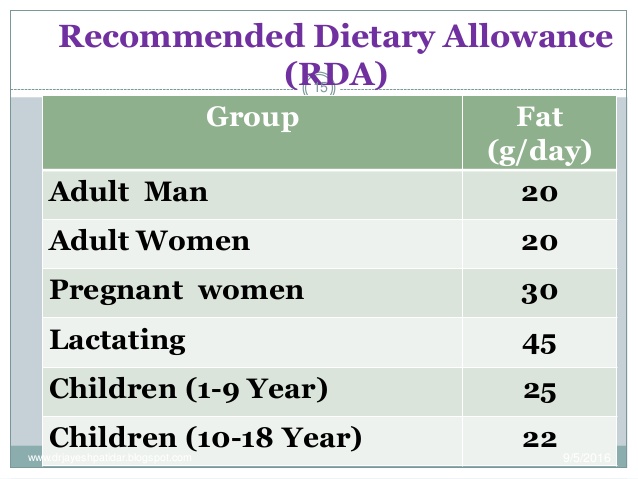
RDA (Recommended Daily Allowance) Of Fat

How to consume fats the right way

Since you have come to know about fats, their function and the good and bad fats, it is very important to know the right way of including fats in your diet.

In your diet, try to include good fats like avocado, natural peanut butter, olive oil, salmon, whole eggs and try to avoid consuming bad fats like hydrogenated oils, fried foods, refined oils etc.

Consuming fats surely increases number of calories as they contain 9 calories per gram but they keep you full for longer time too. You will only get fat when you consume more calories than you burn so it is important to keep a track on your caloric intake instead of blaming dietary fats alone.

Keto Diet- Meaning, Advantages and Disadvantages

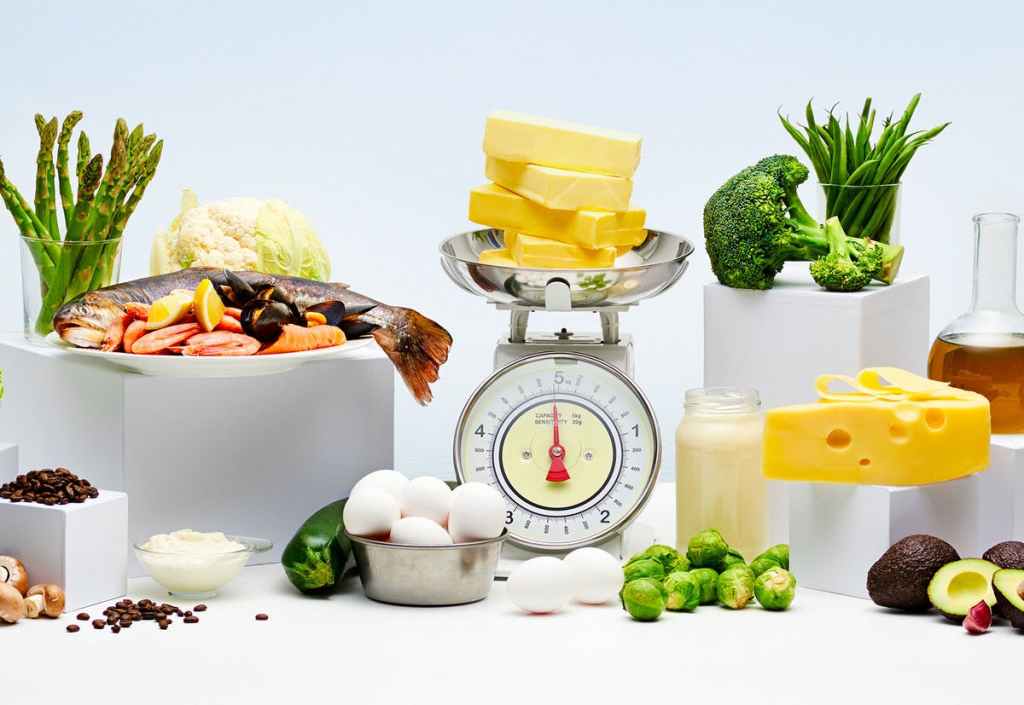
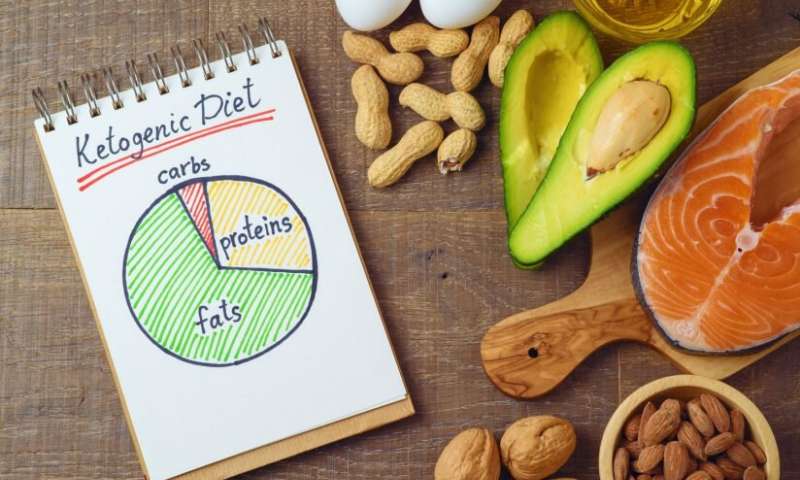
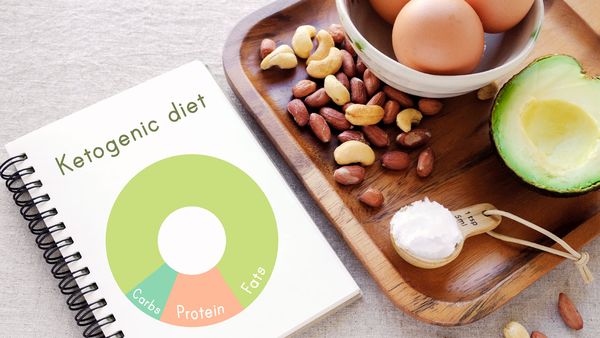
The keto diet took the world by storm when it became popular in 2018 and 2019. It is basically a diet in which we consume low carbs, moderate protein and high fats which makes fat burning easy for our body.

What happens in a keto diet

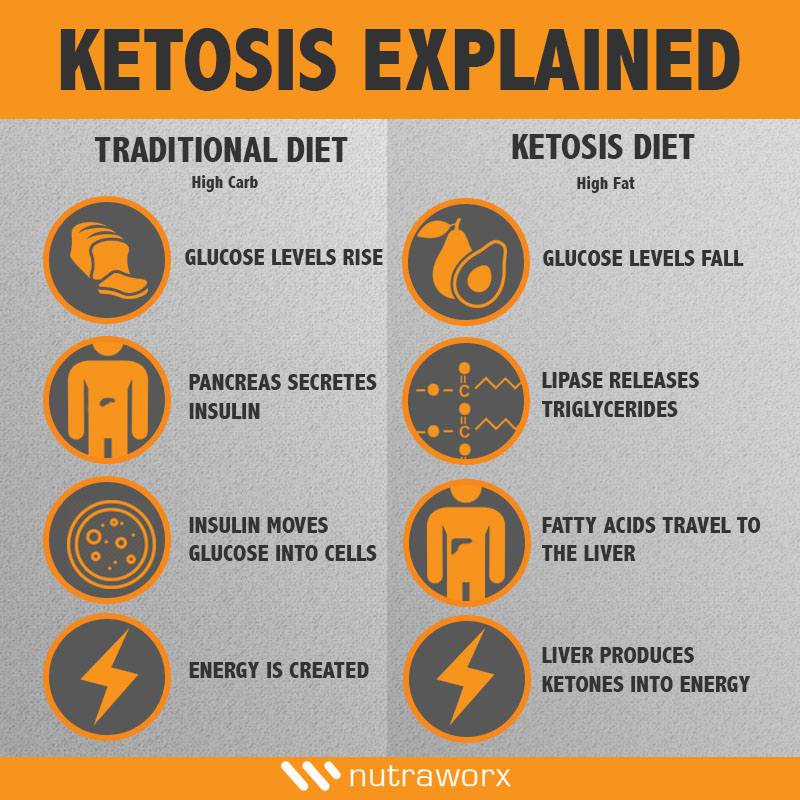
The keto in a ketogenic diet comes from the fact that it allows the body to produce small fuel molecules called ketones. This is an alternative fuel source for the body, used when blood sugar (glucose) is in short supply.

Ketones are produced if you eat very few carbs (that are quickly broken down into blood sugar) and only moderate amounts of protein (excess protein can also be converted to blood sugar).

The liver produces ketones from fat. These ketones then serve as a fuel source throughout the body, especially for the brain.

The brain is a hungry organ that consumes lots of energy every day, and it can’t run on fat directly. It can only run on glucose… or ketones.

On a ketogenic diet, your entire body switches its fuel supply to run mostly on fat, burning fat 24-7. When insulin levels become very low, fat burning can increase dramatically. It becomes easier to access your fat stores to burn them off. This is great if you’re trying to lose weight, but there are also other less obvious benefits, such as less hunger and a steady supply of energy. This may help keep you alert and focused.

Ketosis

Ketosis is a metabolic state when the body starts producing ketones. Ketosis is reached when you are fasting- by not eating anything, but is not practical.

On the other hand, in a keto diet you can eat indefinitely and still reach ketosis. Ketosis has many benefits which fasting has i.e. weight loss and that too without the need to actually do fasting.

What to eat and what not to eat on a keto diet

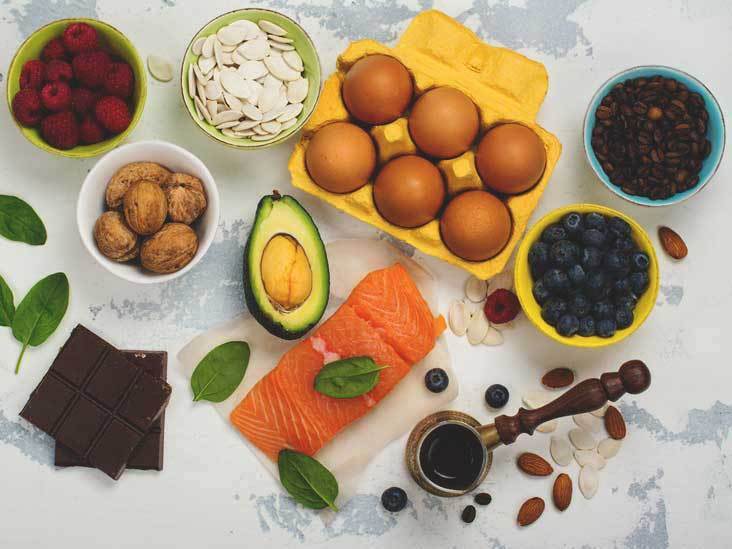
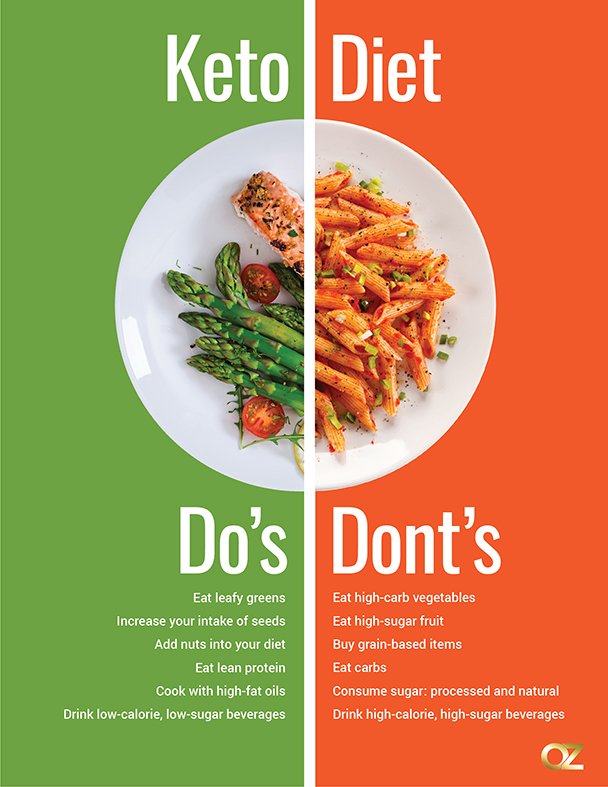
The basic rule of keto diet is to consume low carbs which particularly amounts to fewer than 60-70 grams of carbs per day. The lower the carbs, the faster you can reach ketosis. Try to include foods like lean chicken breast, beans, salmon, tofu, cottage cheese, avocado, peanut butter, almonds, walnuts etc.

Avoid foods which contain sugar and starch like potato, bread, pasta, rice etc. Also note that fruits contain carbs so consuming fruits without keeping the track of carbs can shift you away from ketosis.

Advantages of Keto Diet

Weight loss– A primary benefit of the ketogenic diet is its ability to achieve quick weight loss. Restricting carbohydrates enough to be in a state of ketosis leads to both a significant reduction in body fat and an increase or retention of muscle mass.

Sugar level control– Carbohydrate is the nutrient (macronutrient) that raises blood sugar the most. Because ketogenic diets are very-low in carbohydrates, they eliminate the larger rises in blood sugar due to less insulin spiking.

Improve Alzheimer”s disease– Since a high carbohydrate intake worsens cognitive performance and behavior in patients with Alzheimer’s disease, limiting the amount of carbs can prove beneficial.

Good for heart health– Although the ketogenic diet tends to be high in saturated fat (commonly thought to increase cholesterol), it has been found to improve cholesterol levels and reduce the risk of heart disease.As per a study, low carbohydrate diets can help optimize cholesterol levels, and reduce the risk of heart disease.

Disadvantages of keto diet

Nutrient deficiencies– since whole food groups are excluded, nutrients typically found in foods like whole grains and fruit that are restricted from the diet can lead to deficiencies, especially if the diet is followed incorrectly or without proper guidance. It is vital to incorporate a wide variety of foods while eating such high amounts of fat.

Keto Flu– During the diet transition you may experience uncomfortable side effects from significantly cutting carbs, sometimes called the “Keto Flu”. Hunger, headaches, nausea, fatigue, irritability, constipation and brain “fog” may last days.

Difficulty in adherence– Keeping yourself satisfied with a limited variety of food and food groups and not being allowed to have some of the more pleasurable foods like fruit, rice dishes, ice cream, or cream based soups may be challenging to maintain.

Poor gut health– since you are not consuming whole grain foods which are the primary source of fiber, your gut health can take a toll.

To follow this diet or not

Since you have got to know everything about the keto diet, you must be well aware it is not a very easy diet to follow. You can always give this diet a try, but sticking with it for long time can actually have its effects. Balance the pros and cons of this diet and if your lifestyle allows you to adapt this diet or you like to try new diets then you can definitely give it a try. For those who find giving up carbs difficult, it is better to adapt a flexible dieting routine along with proper exercise regime which seems more sustainable.

Are low carb diets worth it?

What is the first thing that comes to our mind when we think of losing weight? Apart from exercise, the most common trend these days is to go low carb.

Without consulting anyone or researching much, we are quick to suddenly eliminate all the carbs in our diet whether they are chapatti, rice, bread, fruits etc. While this can give good results initially, but it is not the best way to lose weight and if done for a long time can actually be unhealthy for us.

What is a low carb diet?

A low carb diet diet is typically a diet which restricts the amount of carbohydrates to be consumed in a day and consuming majority of the calories through protein and fats.

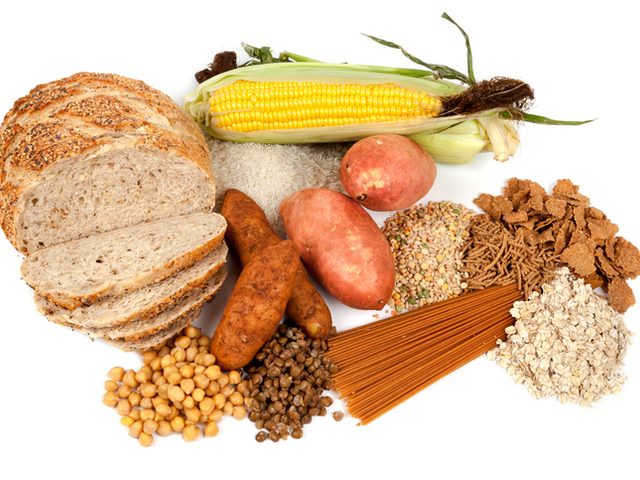
Carbohydrates can be simple or complex. They can further be classified as simple refined (table sugar), simple natural (lactose in milk and fructose in fruit), complex refined (white flour) and complex natural (whole grains or beans).

Common sources of naturally occurring carbohydrates include:

  • Grains
  • Fruits
  • Vegetables
  • Milk
  • Nuts
  • Seeds
  • Legumes (beans, lentils, peas)

Your body uses carbohydrates as its main fuel source. Complex carbohydrates (starches) are broken down into simple sugars during digestion. They’re then absorbed into your bloodstream, where they’re known as blood sugar (glucose). In general, natural complex carbohydrates are digested more slowly and they have less effect on blood sugar. Natural complex carbohydrates provide bulk and serve other body functions beyond fuel.

Rising levels of blood sugar trigger the body to release insulin. Insulin helps glucose enter your body’s cells. Some glucose is used by your body for energy, fueling all of your activities, whether it’s going for a jog or simply breathing. Extra glucose is usually stored in your liver, muscles and other cells for later use or is converted to fat.

The purpose behind the low-carb diet is that decreasing carbs lowers insulin levels, which causes the body to burn stored fat for energy and ultimately leads to weight loss.

Advantages of a low carb diet

There are many advantages of a low carb diet like-

Weight Loss– low carb diets help in weight loss as when we consume less carbs, there is less insulin spike and overall less intake of daily calories. Cutting calories and carbs may not be the only reason for the weight loss. Some studies show that you may shed some weight because the extra protein and fat keeps you feeling full longer, which helps you eat less.

Helps control blood sugar levels– Since we are consuming very less amount of carbohydrates, there is lesser insulin spike in blood which helps to manage blood sugar levels.

Good for the heart– Low carb diets reduce triglycerides (a major risk factor for cardiovascular disease) and increase the concentrations of HDL (known as the “good” cholesterol). They lead to reduced blood sugar, insulin, and inflammation in the body; all of these things can be damaging to the heart. As well as this, another big advantage is weight loss, since heavier weights and obesity increase cardiovascular risk.

Now comes the disadvantages of low carb diets

Since you have seen the few advantages, lets now see the disadvantages of low carb diets

Low energy and weakness– Carbs are the primary source of energy for our body. When we limit the amount of carbs, there is a sudden drop in our energy levels throughout the day.

Affects digestion– Low carb diets affect the digestive system since we are limiting the amount of whole grain foods which give us most of the fiber.

Lost weight comes back– One main issue with low carb diets is that the weight which you lost comes back the moment you start eating carbs again. It is not the best technique to lose weight and is useful for temporary weight loss only.

Not sustainable for long time– The best diet is one which you can follow for long that is why flexible dieting is better than low carb diets. Low carb diets cannot be followed for long time and people often give up because of being low on energy and hungry all the time.

Hungry all the time– Low carb diets are very low in satiety and fail to keep us feel full for long times. This makes the person hungry for most part of the days which leads to mood swings, decreased performance and more chances of quitting the diet.

Verdict

So after knowing what are low carb diets, their advantages and disadvantages, lets see whether these diets are actually worth or not.

One thing is clear that these diets are not suitable to be followed for a long time i.e. they are temporary diets which can be followed for 2-3 months to show results which can be more or less temporary too. So if you are thinking of adopting a diet and sticking on to it for a longer time low carb diets are definitely not one of those.

But if your aim is to lose weight for a specific purpose in a short time, then low carb diets can actually be a good way to lose weight quickly.

5 ways to turn food into muscle not fat

After getting regular with your workout session, it is really important to consume the right kind of foods which will help your muscles to recover and grow after a heavy workout. While most of you already know that you should be eating protein rich foods for muscle growth, there is more to it. You need to know about insulin before getting to the ways to use food for building muscle instead of fat.

Insulin is a hormone made by the pancreas that allows your body to use sugar (glucose) from carbohydrates in the food that you eat for energy or to store glucose for future use. Insulin helps keeps your blood sugar level from getting too high or too low.

Role of insulin in muscle growth

Insulin can be a tricky thing. It can make you fat or it can make you lean and muscular – it all depends on your insulin sensitivity and insulin resistance.

If you do not have proper insulin sensitivity, it does not matter how much protein you eat over the course of a day, it will never get delivered to your muscles and will instead be stored as fat. And although many people believe that constantly eating a carb reduced diet will help them control an insulin release and lose weight, this isn’t actually the case.

Insulin does not directly help in muscle growth but there are 2 ways in which it influences muscle protein synthesis.

1- insulin directly stimulates the cellular pathway in the muscle that regulates muscle growth. Basically, it goes to a muscle cell and turns its muscle building machines up a few notches.

2-  insulin increases blood flow to the muscle. Thereby, more nutrients, hormones and the like can get into the muscle which can stimulate muscle protein synthesis and provide the building blocks for growth.

How to convert food into muscle and not fat

Eat protein and fat before your carbs

Whenever you start eating, try to consume the protein,fats and vegetables first and then proceed towards the carbohydrates. By doing this, you will have lower post meal insulin levels. But there is one case where you should eat carbs before protein!

Post workout! After workout, consume carbs before your protein and avoid fats in that meal. By doing so, your insulin levels spike which maximizes nutrient intake towards the muscles and then when you consume protein, it goes straight into muscles.

Use vinegar

There is another reason to start using vinegar in your salad dressings and meals. Vinegar weakens the glucose and decreases the insulin response from a carb meal and raises insulin sensitivity.

Use vinegar for salad dressing or take one to two tablespoons of apple cider vinegar before you have your biggest, most carb heavy meal of the day.

Consume psyllium husk

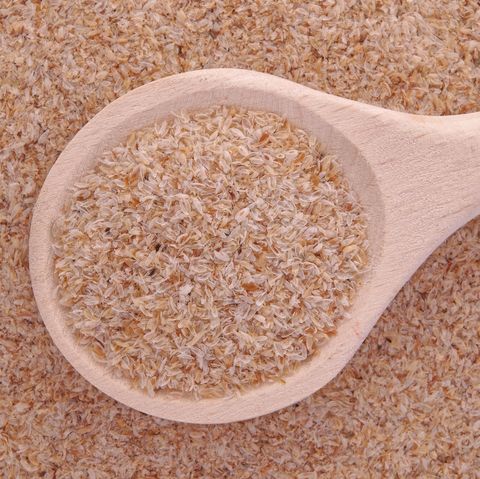
Psyllium husk is not only good for digestion but also reduces post meal blood sugar levels. In a study, it was proven that post lunch blood sugar levels were 19.2% lower and all day blood sugar levels were 11% lower when 5 grams of psyllium husk was given to people twice a day.

Consume fish oil and exercise

Fish oil not only makes cells more sensitive to insulin, but also reduces the secretion of insulin by the pancreas. Long-chain polyunsaturated omega-3 fatty acids (n-3 PUFAs) found in fish oil increase circulating levels of the hormone adiponectin, which may translate into benefits for insulin sensitivity, according to a study.

Add herbs and spices to your cooking

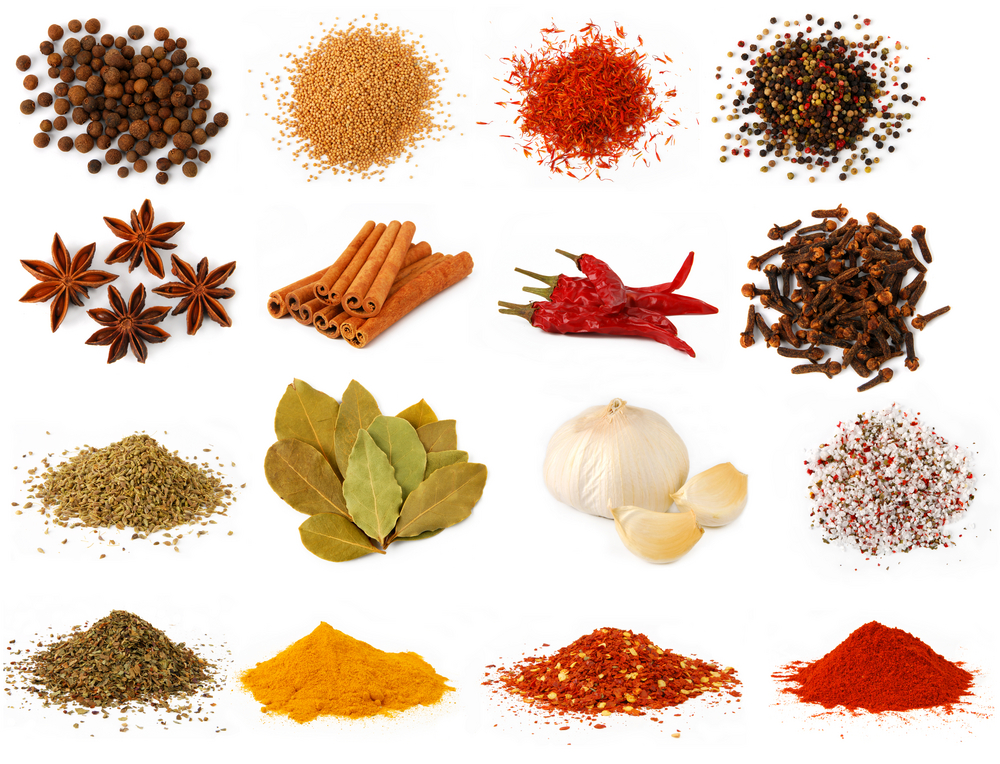
Herbs and spices, before being introduced into cooking were used for their medicinal properties.

These herbs have shown promising results for increasing insulin sensitivity-

Fenugreek seeds– They’re high in soluble fiber, which helps make insulin more effective. Eating them whole, as an extract or even baked into bread may help increase blood sugar control and insulin sensitivity.

Turmeric– Contains an active component called curcumin, which has strong antioxidant and anti-inflammatory properties. It seems to increase insulin sensitivity by reducing free fatty acids and sugar in the blood.

Ginger– This spice is linked to increased insulin sensitivity. Studies have found that its active component gingerol makes sugar receptors on muscle cells more available, increasing sugar uptake.

Garlic– Garlic improves insulin secretion and its anti oxidant properties have been shown to increase insulin sensitivity.

Design a site like this with WordPress.com
Get started