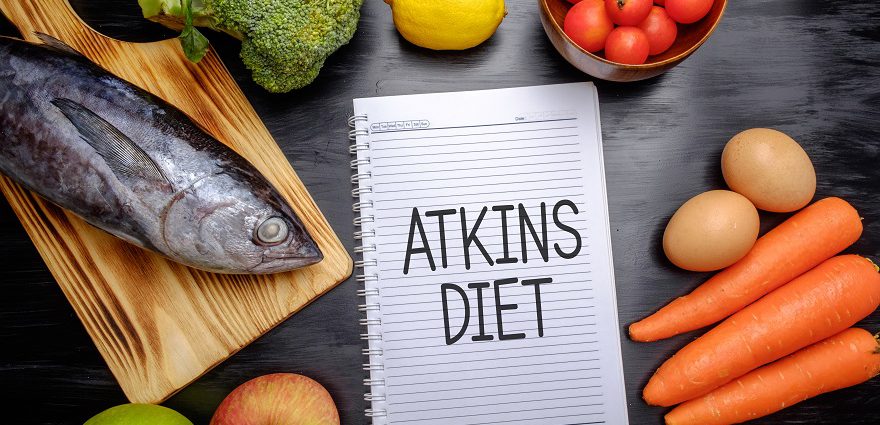
The Atkins Diet is a popular low-carbohydrate eating plan developed by cardiologist Robert C. Atkins. The Atkins Diet restricts carbohydrates while emphasizing protein and fats.
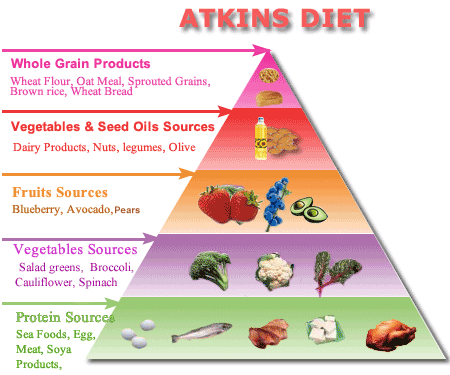
The motive of the Atkins Diet is to change your eating habits to help you lose weight and keep it off. The Atkins Diet also says it’s a healthy lifelong approach to eating, whether you want to lose weight, boost your energy or help improve certain health problems, such as high blood pressure or metabolic syndrome.
Phases of Atkins Diet
This diet involves four phases, starting with very low carbs and slowly increasing them until you get towards your desired weight. The theory behind these phases is that when you limit the intake of carbs, your body turns to the alternative fuel i.e. fats and uses them for energy. Simple sugars and starches like potatoes and white bread are totally ignored in this diet and protein and fat like chicken and eggs is preferred. This makes weight loss easier for the person who adopts this diet.
Phase 1 – This phase is the starting phase which is followed for 2 weeks and allows less than 20 grams of carbs per day. The diet consists of high fat and high protein foods whereas carbs are consumed from green leafy veggies.
Phase 2– In this phase, the body slightly adapts to the low carbs so we add some fruits, low carb veggies and nuts into the diet.
Phase 3– In this phase, when the person comes closer towards the target weight, he/she can add more carbs until the weight loss slows down.
Phase 4– This is the maintenance phase where you can add as many healthy carbs as you your body can tolerate without gaining weight.
Limiting carbs is not all in this diet
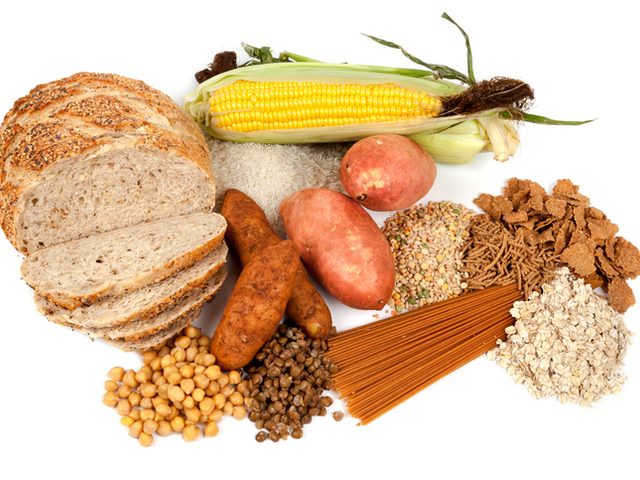
Apart from limiting the total intake of carbs for a day, limiting the amount of carbs you consume in one meal is also a major factor.
A carb-heavy meal floods the blood with glucose, too much for the cells to use or to store in the liver as glycogen. So it ends up being stored as fat.
The Atkins Diet says its approach to carbs will burn off your body’s fat stores, regulate your blood sugar and help you achieve optimal health, while not leaving you feeling hungry or deprived. Once you’re at your goal weight, the Atkins Diet also says it will help you identify your personal carbohydrate tolerance — the number of grams of net carbs you can eat each day without gaining or losing weigh
Foods to include in Atkins Diet
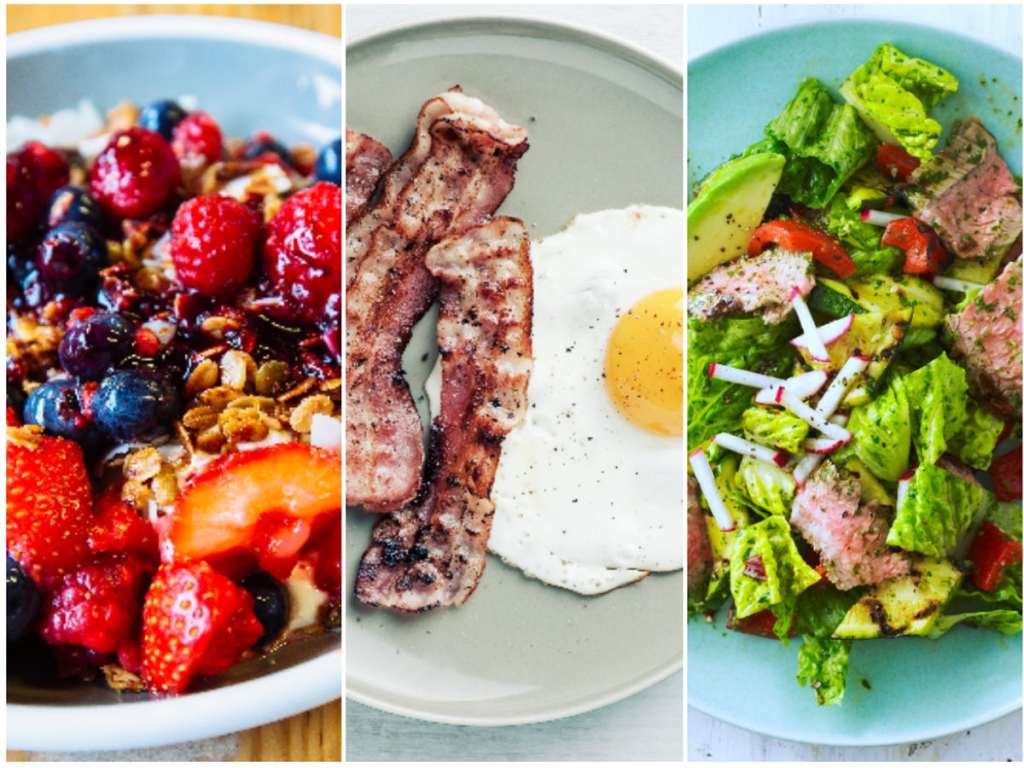
- Chicken, meat, fatty fish like salmon
- Full fat dairy products
- Eggs
- Avocados
- Low carb veggies like broccoli, kale, celery, asparagus
- Seeds and nuts
- Healthy fats like olive oil, extra virgin olive oil, coconut oil
Foods to avoid in Atkins Diet
- Simple sugars and starches like white rice, potatoes
- Sugary beverages, soft drinks, pastries, candies
- Legumes like lentils, beans, chickpeas
- Vegetable oils- refined oil, soybean oil, canola oil etc
- High carb fruits like bananas, apples, oranges, pears (induction phase only)
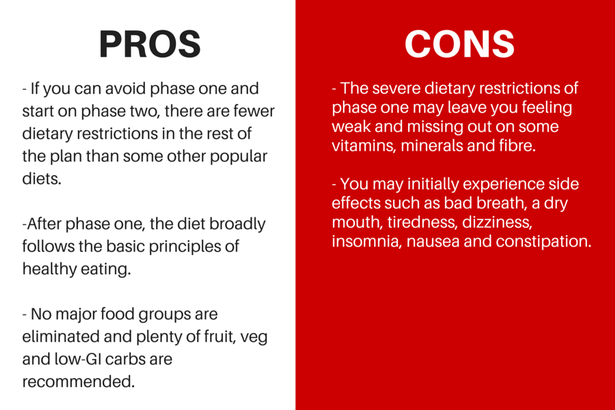
Benefits of Atkins Diet
Weight Loss– This is the first benefit which is seen since the diet is pretty low in carbohydrates. When consumption of carbs is decreased, caloric intake reduces and it results in weight loss.
No need to track calories– Tracking calories everyday can be frustrating and impractical for most of the people. The Atkins diet however, allows you to eat certain foods as much as you want to.
Reduced Cholesterol– The Atkins diet cuts down processed sugar and bad carbs from the diet which helps to lower the amount of bad cholesterol in the blood.
Helps manage blood sugar level– This diet limits the intake of simple carbs which are the main reason for insulin spike. Limiting simple carbs therefore helps to manage blood sugar levels.
Clear defined guidelines– Those who prefer a structured approach to eating will enjoy Atkins. Each phase of the program has a specific time or weight goal that is clearly explained.
Drawbacks of Atkins
Very strict– Very low-carb diets such as Atkins can be hard to follow because they require you to make too many changes from the start. Since most of us are too used to eating carbs, this sudden change might prove to be very difficult.
More chances of cheating– Separation from common foods is another challenge for those switching to the Atkins diet. If you socialize or eat out on a regular basis, you can expect to be surrounded by foods that are restricted on this program such as chips, bread, and pasta which increases the chances of cheating.
Counting carbs in every meal– This method of dieting will require you to stay within the personal carbohydrate range. Every time you sit down to eat, you will have to calculate carbs which can be inconvenient.
Low intake of vitamins and minerals– Lesser consumption of fruits and vegetables makes intake of vitamins and minerals low which can lead to deficiencies.
 Health and fitness