
High protein diets have become very popular these days, specially among those who are regular to gym and are aiming to pack on muscles.
But a high protein diet is not just important for the gym goers, it can also be very helpful for those who are struggling to lose weight or aiming for fat loss instead of weight loss.
Weight loss includes fat loss and muscle loss which can lead to loose skin whereas fat loss makes sure that muscle is preserved and body fat is decreased. Our aim should be fat loss instead of weight loss.
How much protein to consume
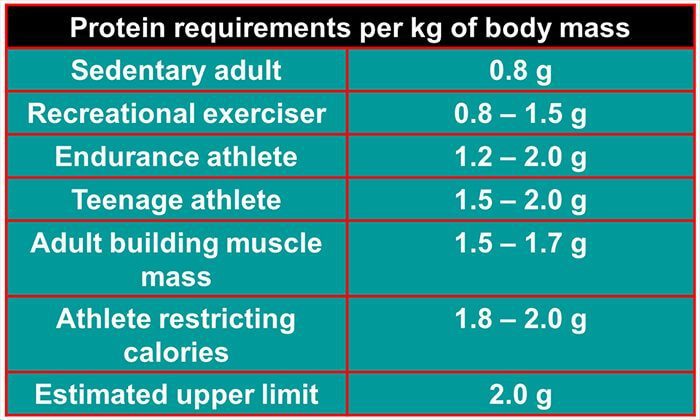
The protein requirements differ according to a person”s age, gender, level of activity, weight etc. The above chart shows the ideal protein intake per kg of body weight for different types of persons. Just make sure not to consume protein more than 2 grams per kg of body weight as it can be left unutilized by the body and increase daily caloric intake.
High Protein diet benefits
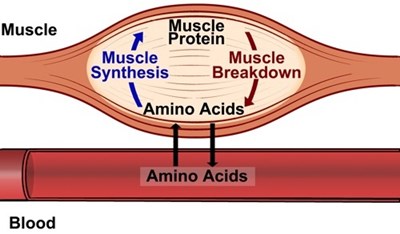
Builds Muscle– Protein is made up of amino acids which are the building blocks of muscle. After an intense workout, consuming protein helps in recovery of muscles and makes them stronger.
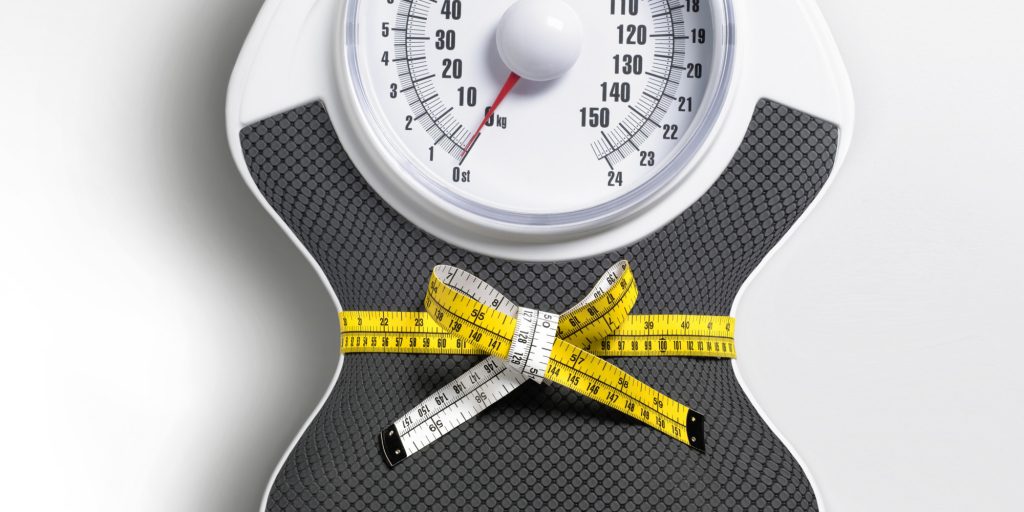
Weight Loss– Protein helps you to keep full for longer which means you will be consuming fewer calories throughout the day. This decreases your caloric intake and finally helps in weight loss.
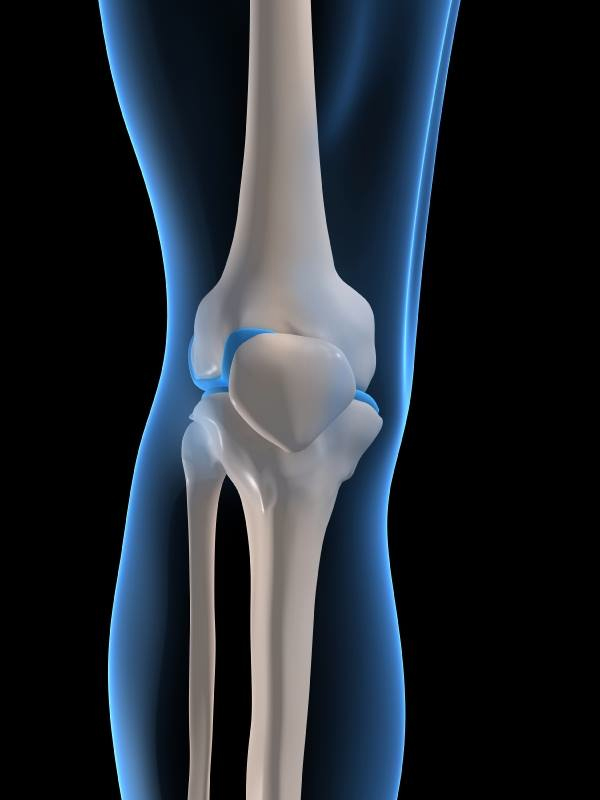
Strong Bones– Studies have shown that people who consume more protein have a better bone density which lowers the risk of fractures and osteoporosis. So apart from calcium, protein is also beneficial for maintaining bone health.

Helps you burn more calories– Eating a diet high in protein helps you burn more calories. Protein has a thermogenic effect in the body that means the body expends energy or burns off calories during the digestion process. Compared to other foods, like carbohydrates which have the same caloric value, protein actually has a greater thermogenic effect.
High protein diets affecting kidneys- a myth
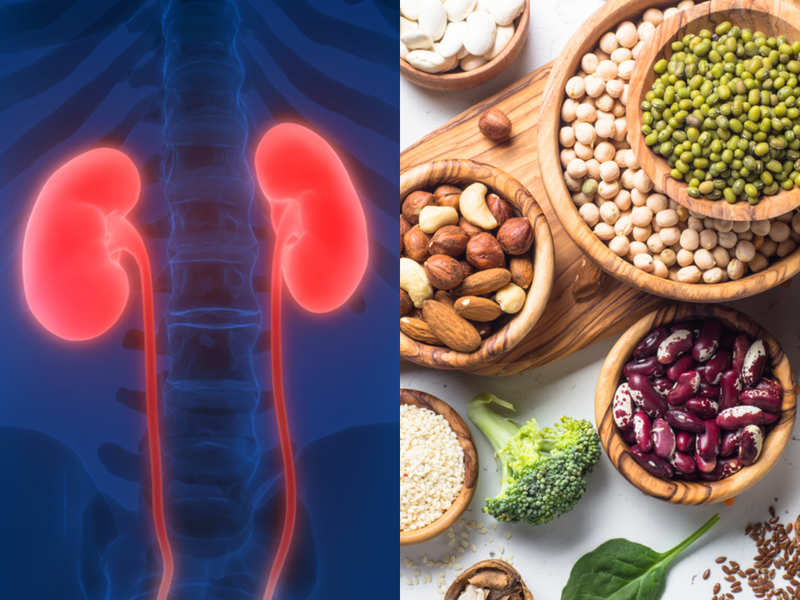
A high protein diet affects your kidneys! This is the biggest and most common myth which most of the people still think is true. The basic thinking is that eating more protein makes your kidneys work harder which pits additional stress on them and it can affect their functioning.
This is the most baseless myth which has no evidence till now. A high protein diet intake has been shown to accelerate kidney damage in people who already have an existing kidney disease. However, higher protein diets don’t adversely affect kidney function in healthy people.
Keep in mind these points-
1- Some high-protein diets restrict carbohydrate intake so much that they can result in nutritional deficiencies or insufficient fiber, which can cause problems such as bad breath, headache and constipation.
2- Some high-protein diets include foods such as red meat and full-fat dairy products, which may increase your risk of heart disease.
3- A high-protein diet may worsen kidney function in people with kidney disease because your body may have trouble eliminating all the waste products of protein metabolism.
4- Try to complete your daily protein requirements from whole food sources only. Add protein supplements only if your are not able to consume your daily quota of protein from food sources.
5- Consume at least 4-5 litres of water daily and add salad, sprouts and papaya in your diet which will assist your body to break down protein more efficiently.
If you are looking to follow a high protein diet, make sure your protein choices are picked wisely. Include foods like tofu, chicken breast, eggs, fish, lentils, beans and limit the intake of red meat, full fat cottage cheese, full fat milk and foods containing saturated fat.
 Health and fitness