
When you are into a strict fitness regimen, which includes intense workouts and strict dieting, you have to give up on your favourite foods to get results. A cheat meal is basically a meal in which you include anything and any food item which you love so that it can satisfy you and your mind which help you start dieting again.
Typically, a cheat meal is a small reward which is given to you, by you, for being consistent in a strict diet plan.
How often can you have a cheat meal?

The answer to this question depends on you! If you have a decent physique and working out just to stay in shape, a cheat meal every week would not matter much to you.
But if you are someone who is overweight and aiming to lose those extra pounds, a cheat meal should be had only once or at max twice a month.
Science behind cheat meals

Leptin, a protein mainly produced by fat tissue, regulates appetite and energy balance in the body. It acts on the brain’s hypothalamus to suppress food intake and stimulate the use of energy, or calories. Leptin plays a key role in regulating body weight and fat mass through its stimulating effect on the brain. In fact, studies have shown that within 24 hours of fasting, leptin levels decrease to 30 percent of their normal value.
But it doesn’t end with leptin. Ghrelin, a peptide hormone mainly produced by the stomach, is an appetite stimulant that signals the release of growth hormone. Low-calorie diets and chronic exercise have been shown to result in increased ghrelin concentrations, which may lead to increasing food intake and body weight.
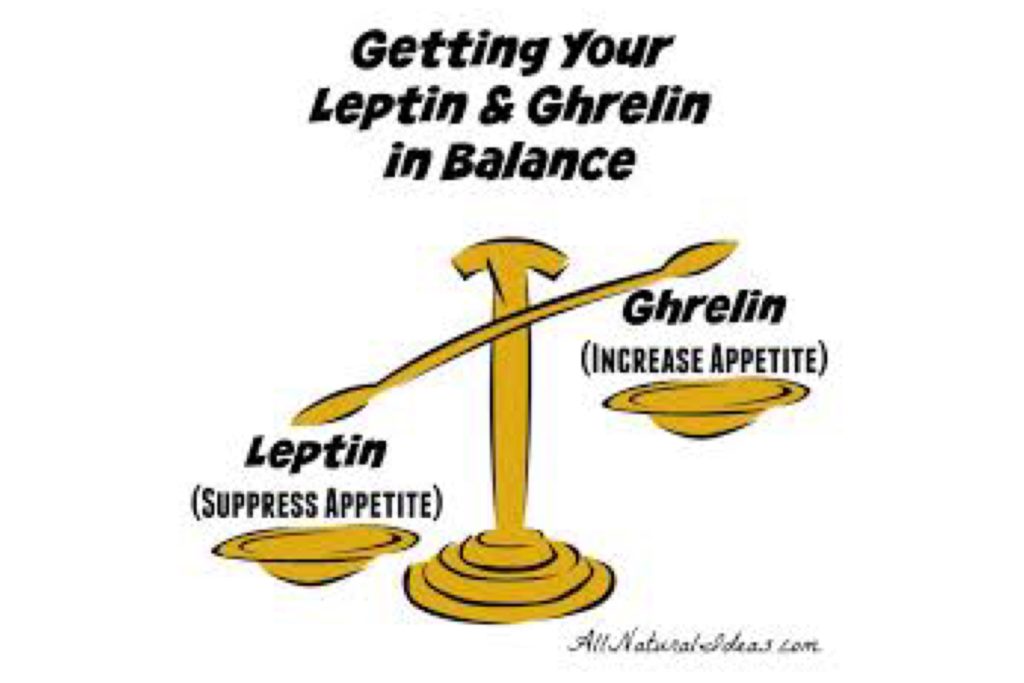
In addition to affecting appetite and energy use through leptin and ghrelin, sustained caloric-deficit diets also cause the body to attempt to conserve energy by decreasing levels of the thyroid hormones T3 and T4, which help regulate and maintain metabolism. Sustained low-carbohydrate diets deplete the body of glycogen stores and can leave you feeling sluggish and weak, which can negatively affect your training performance.
Since significant changes in the levels of leptin and ghrelin are seen after only 72 hours of a calorie-restricted diet, weekly cheat meals that are higher in calories and carbohydrates can help raise leptin levels and lower ghrelin. This is important because the return of your hormone levels to normal can help reverse or even prevent any negative effects on metabolism, hunger drive, and energy expenditure. In addition, the increased calories will also help to increase thyroid function, further boosting metabolism.
This increase in metabolism can last for days after your body digests a cheat meal, thus offsetting the drop in hormones that occurs when the calorie-deficit diet is again resumed. As a result, a scheduled cheat meal can actually help optimize our body’s hormones to avoid weight-loss plateaus and prevent it from entering starvation mode.
Cheat Meals V/S Cheat Days

Cheat days are much better than cheat meals. If you are craving for a pizza, a slice or two is better than gobbling down the whole pizza. It will satisfy you and at the same time save you the extra calories from eating the whole pizza.
Similarly increasing the amount of calories in one meal in a day would not affect you much but if you start having cheat days, each meal will add on the calories consumed and it can actually sabotage your weekly created caloric deficit.
Cheat days can literally undo your whole week of dieting and training. By breaking it down into a cheat meal, you can keep check of how you respond to the increase of calories.

Plan, indulge, enjoy and forget
The motive of a cheat meal is to satisfy your craving. So it is important to savor and enjoy the meal while eating instead of feeling guilty. Planning a cheat meal in advance is a great way of making sure you do not overeat and plan the rest of calories accordingly. After finishing a cheat meal, instead of overthinking, just forget it and continue towards your fitness regime.
 Health and fitness