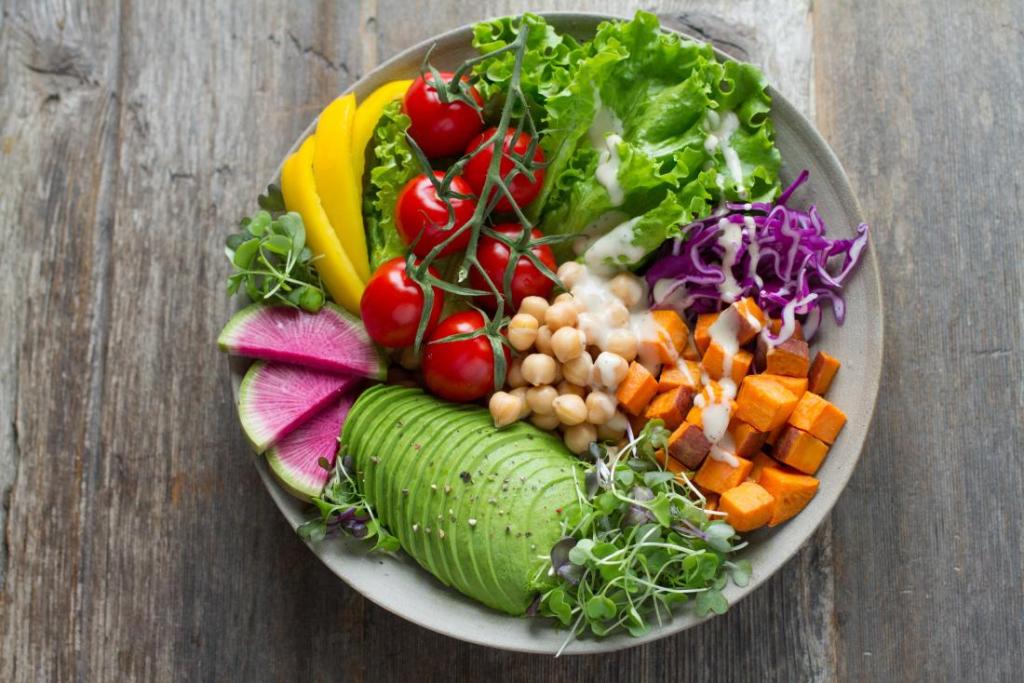
The vegan diet is the diet containing only plants like vegetables,fruits,nuts,grains) and foods made from plants. It does not anything coming from animals whether it is meat, dairy products or even eggs.
The key to a nutritionally sound vegan diet is variety. A healthy and varied vegan diet includes fruits, vegetables, plenty of leafy greens, whole grain products, nuts, seeds, and legumes.
Why do people go vegan?
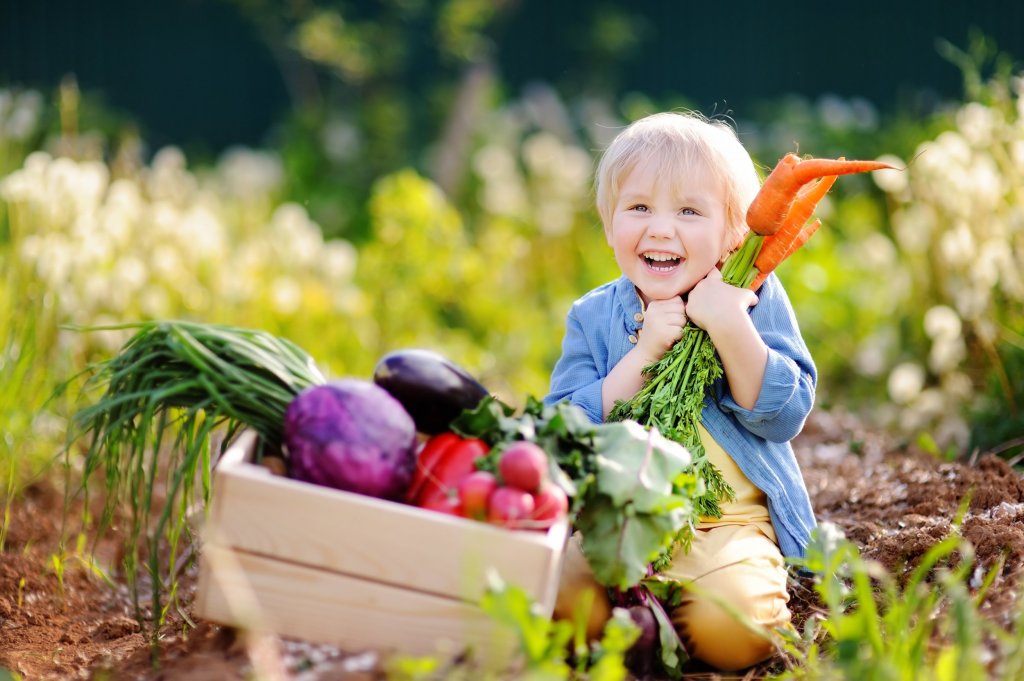
People choose to be vegan for health, environmental, and/or ethical reasons. For example, some vegans feel that one promotes the meat industry by consuming eggs and dairy products. That is, once dairy cows or egg-laying chickens are too old to be productive, they are often sold as meat; and since male calves do not produce milk, they usually are raised for veal or other products. Some people avoid these items because of conditions associated with their production.
Many vegans choose this lifestyle to promote a more humane and caring world.
Variety is Important in this diet
A vegan diet is not the easiest diet for your taste buds to adapt. It is very important to include a variety of food options in this diet to complete your nutritional requirements.
The vegan diet may sometimes not be enough to fulfill our nutritional requirements. In that case, the use of supplements comes handy and we can use them to fulfill the nutritional needs.
Vitamin B 12, EPA and DHA, iron, zinc and calcium are the common nutrients which can get missed out or not consumed according to recommended daily allowance dosages during this diet.
Advantages of Vegan Diet
Reduces risk of diseases– the vegan diet can reduce the risk of type 2 diabetes, cardiovascular disease, hypertension, stroke, obesity and even some cancers like prostate and colon cancer.
Good for animal welfare– this diet promotes animal welfare since we are not consuming anything which comes from animals like meat, milk, eggs. It reduces animal cruelty for food production.
Good for bone health– Calcium is important for bone health. Since vegan milk alternatives like soy milk, almond milk are becoming popular and easily available, it is easier to consume calcium everyday in this diet.
Protects against chronic diseases– Plant-based diets can counteract an individual’s genetic likelihood of developing a chronic disease such as type 2 diabetes. The bio active compounds in plant foods can control biological factors that may work against the genetic factors linked to some chronic diseases.
Risks and Considerations of Vegan diet
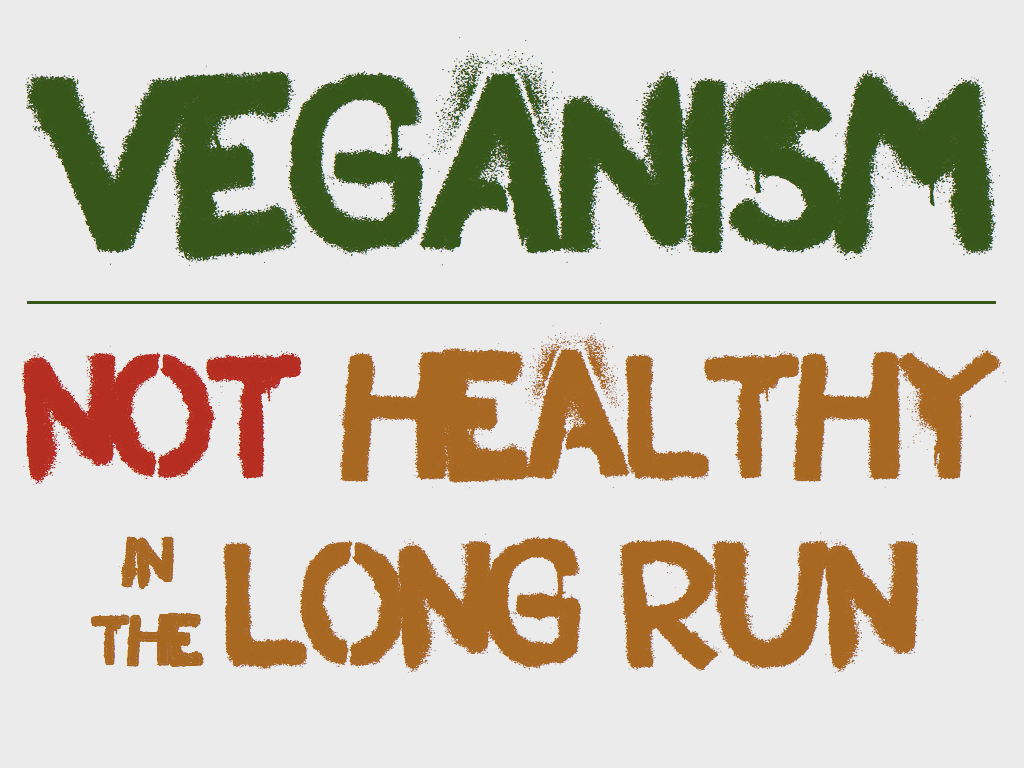
This diet is very low in calories– A vegan diet can reduce the intake of calories. While too many calories can lead to weight gain and associated health problems, too few can lead to problems with low weight. Calories are needed as they provide us with energy to do work and those who are regular at the gym might see decreased performance.
It is deficient in nutrients– The vegan diet is often deficient in vitamin B 12, Iron, Vitamin D, Omega 3 fatty acids and zinc which need to be supplemented while following this diet.
No tasty options– This diet is definitely not for those who are used to eating tasty foods. The food options available are not tasty which can make the diet monotonous and the person may leave this diet soon.
Soy protein sources can cause hormone disruptions– Processed forms of soy are commonly found in a vegan diet, including tofu, soy milk, and soy-based processed foods sold as meat substitutes. Processed soy foods are no better for human health than any other highly-processed foods, but with the added risk of hormone interference due to phytoestrogens found in all forms of soy. They can affect estrogen and thyroid levels.
Risk of overconsuming carbs– There is also the risk of over-consuming carbohydrates on a vegan diet, especially since legumes are often consumed as a protein source.
Conclusion
Certainly, not everyone has a negative experience on a vegan diet. There are plenty of people who would benefit great from adopting certain aspects of veganism, including incorporating more vegetables into the diet, and understanding the importance of not purchasing or consuming factory-raised meat.
 Health and fitness