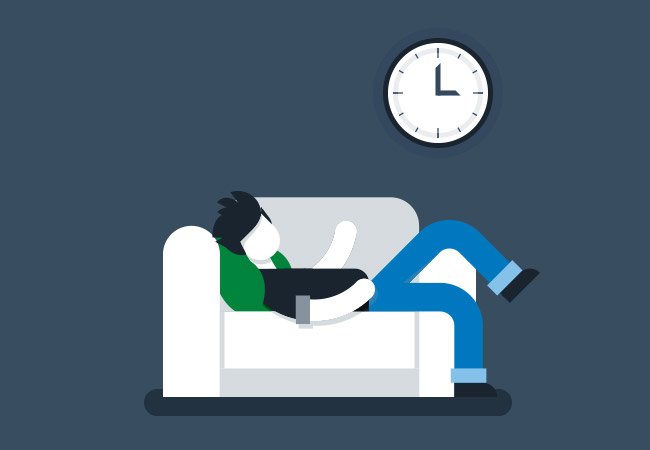
Since the advancement of technology, our physical activity has taken a drastic hit. We are slowly becoming more and more dependent on technology and our movement is decreasing.
Physical inactivity is a term used to identify people who do not get the recommended level of regular physical activity. The American Heart Association recommends 30-60 minutes of aerobic exercise 3-4 times per week to promote cardiovascular fitness.

As you can see as per the report of World Health Organisation, physical inactivity ranks 4th in the cause of deaths. This shows how deadly physical inactivity has become.
Current Scenario

Sedentary lifestyles increase all causes of mortality, double the risk of cardiovascular diseases, diabetes, and obesity, and increase the risks of colon cancer, high blood pressure, osteoporosis, lipid disorders, depression and anxiety. According to WHO, 60 to 85% of people in the world—from both developed and developing countries—lead sedentary lifestyles, making it one of the more serious yet insufficiently addressed public health problems of our time. It is estimated that nearly two-thirds of children are also insufficiently active, with serious implications for their future health.
Physical inactivity in India- Facts
Nearly half of the population in the four regions studied were inactive. This translates to 392 million inactive individuals in India.
•Physical inactivity was significantly more common in urban areas of the country compared to rural areas.
•Males were significantly more active than females.
•Most of the time spent in moderate to vigorous intensity activity was at the workplace.
•More than 90% of subjects in all the four regions studied did no recreational physical activity. This was significantly higher in rural areas and among females.
•Even among those who reported recreational physical activity, the time spent in moderate to vigorous intensity activity was overall less than 20 mins/day.
Physical inactivity risks-
Obesity
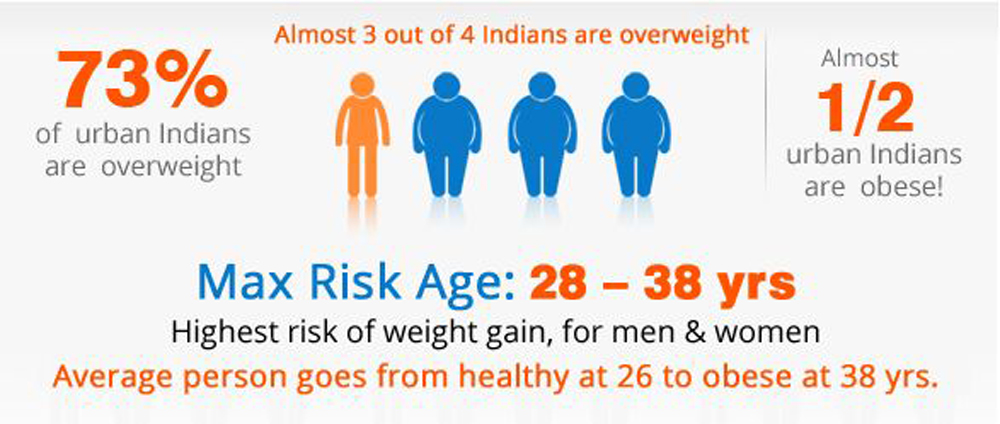
The main cause of inactivity is obesity. Since daily movement among people has become so limited, the risk of obesity as started to increase. People prefer elevators to stairs, cars instead of walking even if the distance is small. We take pride in using technology and fitness is still not considered priority among most of the people.
Risk of heart diseases

Due to inactivity and less movement, people tend to gain weight and become obese. Obesity leads to high cholesterol, high blood pressure which increases the risk of heart diseases. Without regular exercise and because of sedentary lifestyles, more people are becoming prone to the health risks of inactivity.
Diabetes

Lack of physical mobility and regular exercise can cause our muscle cells to lose their sensitivity to insulin, which controls blood sugar levels, increasing risk of diabetes. Moreover, weight gain can also increase risk of developing diabetes.
Some pictures showing the change



The above pictures are a small indication of the stark contrast between the time before and now. We have become slaves to technology and instead of going out in fresh air, we prefer to sit on couches and press remotes.
Just two weeks of inactivity could lead to changes that increase risk of developing disease- A Study

A study by University of Liverpool showed that just two weeks of inactivity in young healthy people can reduce muscle mass and produce metabolic changes that could lead to an increased risk of developing chronic diseases such as type 2 diabetes, heart disease, and potentially premature death.
Societal factors (relating to work, travel and the domestic environment) have substantially reduced our physical activity level relative to our ancestors. Habitually reduced levels of physical activity are an independent risk factor for obesity, poor metabolic health and accelerated musculoskeletal decline.
Changes observed post 14 days of inactivity

Significant changes in body composition were observed, including loss of skeletal muscle mass and increases in total body fat. The changes in body fat tended to accumulate centrally, which is a major risk factor for developing chronic diseases. Overall, cardio-respiratory fitness levels declined sharply and participants were unable to run for as long or at the same intensity as previously. A substantial loss in skeletal muscle mass was also noted.
Take away message

Now you have seen the ill effects of physical inactivity and how just 14 days of inactivity can cause so many changes. So start moving more, exercise regularly, eat well and make the quality of your life better.

 Health and fitness
So true 👍
LikeLike