
Cooking oil is plant, animal, or synthetic fat used in frying, baking, and other types of cooking. There is a wide range of cooking oils available from plant sources like olive oil, palm oil, soybean oil, canola oil etc. and other vegetable oils and animal based oils like butter.
The less refined the oil is, the better it is
When cooking oils are refined, they have less flavor and aroma, which some people might prefer for preparing a variety of dishes. Refined oils also store better and can be safely used at higher temperatures. But they’re missing more of the plant. There tend to be more nutrients in the less refined oils.
If you’re getting a good-quality olive oil with a lot of antioxidants, polyphenols and plant chemicals, you’re going to get more benefit.’ Less refined oils are often called ‘virgin’ or ‘extra-virgin,’ while more refined oils may be labelled ‘pure’ or ‘light.’
Olive oil

Olive oil is a fat obtained from the fruit of the olive tree, a traditional tree crop of the Mediterranean region. Whole olives are pressed to produce this distinctive oil.
Pros-
- Olive oil protects against heart disease as it controls the “bad” levels of LDL cholesterol and raises levels of the “good” cholesterol, HDL.
- Olive oil is also rich in polyphenols, which have anti-inflammatory, antioxidant and anticoagulant actions, which may be another reason why it is important for heart health.
- Other research has found it may reduce the risk of several types of cancer, including colon, breast, lung, ovarian and skin cancers.
- Olive oil can also contribute nutritional support in the fight against arthritis, and help reduce high cholesterol.
- A study published in the Journal of Toxicoloy and Applied Pharmacology showed that Oleocanthal, a substance in olive oil, blocks toxic proteins that damage the brain cells that cause Alzheimer’s disease.
Cons-
Olive oil, like all fats, is high in calories, so should be consumed in moderation.
Coconut Oil

Coconut oil is an edible oil obtained from the kernel of mature coconuts harvested from coconut palms.
Pros-
Anti bacterial – The most abundant fatty acid in coconut oil is the 12-carbon lauric acid, which is broken down into a compound called monolaurin in the body. It can kill microbes like bacteria, fungi and viruses.
Medium Chain Triglycerides– Most of the fatty acids in the diet are long-chain fatty acids, but coconut oil contains a different kind: medium chain triglycerides. These medium-chain fatty acids are metabolized differently; they go straight to the liver from the digestive tract, where they are used as a quick source energy or turned into so-called ketone bodies, which can have therapeutic effects on brain disorders like epilepsy and Alzheimer’s.
Cons-
Better alternatives– Although coconut oil doesn’t contain cholesterol, it also doesn’t stack up against most other plant-based oils. Canola, corn, safflower, sunflower, soybean, flax seed, grape seed and extra virgin olive oil all contain significantly less saturated fat.
High in saturated fat– coconut oil, whether virgin or refined, is high in saturated fat which is higher than butter. One tablespoon of coconut oil provides 490 kJ (117 calories), 13.6 g total fat (11.8 g saturated fat), no protein or carbohydrates, and only trace amounts of a few nutrients.
Expensive – At around twice the price of olive oil, coconut oil hasn’t yet been shown to offer health benefits greater than extra virgin olive oil. Extra virgin olive oil has proven heart health benefits, while the evidence for coconut oil is limited.
Canola oil
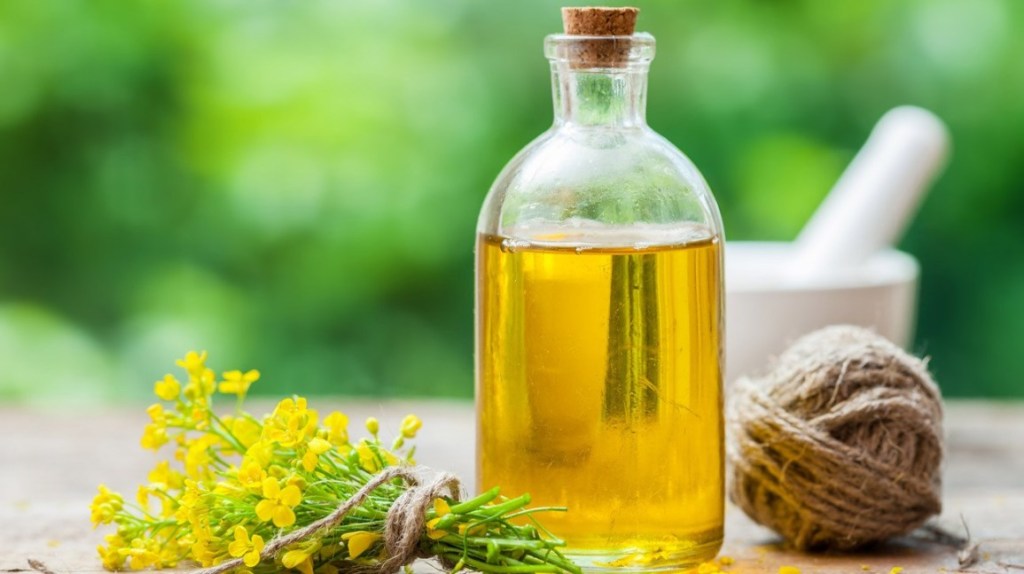
Canola oil is a vegetable oil, derived from rapeseed.
Pros-
Low in saturated fat– it is comparatively low in saturated fat than other oils.
Contains Omega 3″s– Canola oil contains monounsaturated fats and omega 3 fatty acids which are good for heart health, brain and joints.
Cons-
Omega 6– our diet is already abundant in omega 6 fatty acids and excess consumption can cause a deficiency of omega 3″s. While the typical omega-6 to omega-3 fatty acid ratio should be 2:1, it is actually more like 20:1. These discrepancies can be associated with inflammation and other chronic diseases all throughout the body.
Refined Vegetable Oil

Refined oil is the most commonly used oil for cooking in most of the homes. Edible oils extracted from plants are called vegetable oils. The oil is extracted from chemical solvents or by crushing and pressing plants or their seeds.
Pros
Inexpensive– due to their economical pricing, refined oils are the most common cooking oil choice.
Long shelf life– they have a longer shelf life than other oils so are preferred more.
Cons-
High in trans fats– these oils are high in trans fats which increase risk of heart diseases and weight gain.
Hydrogenation– During this step, liquid oils are chemically altered so they are semi-solid or solid. This extends shelf life and makes inexpensive vegetable oils spreadable like butter. Unfortunately, our bodies aren’t able to recognize and use these fats, which can lead to serious health effects.
Vegetable oils do not involve vegetables– There’s no vegetable benefit to be gained from vegetable oil. Many consumers mistakenly believe that cooking oil, as long as it says vegetable on the label, is all good. In fact, the unhealthiest and most commonly used oils on the market contain no vegetables at all.
 Health and fitness