When it comes to health food myths and misconceptions, there is no shortage of endless and senseless sayings which people even in today”s time think are true. Following are some of the most common myths which need to be busted right now.
Eggs are bad since egg yolks contain cholesterol
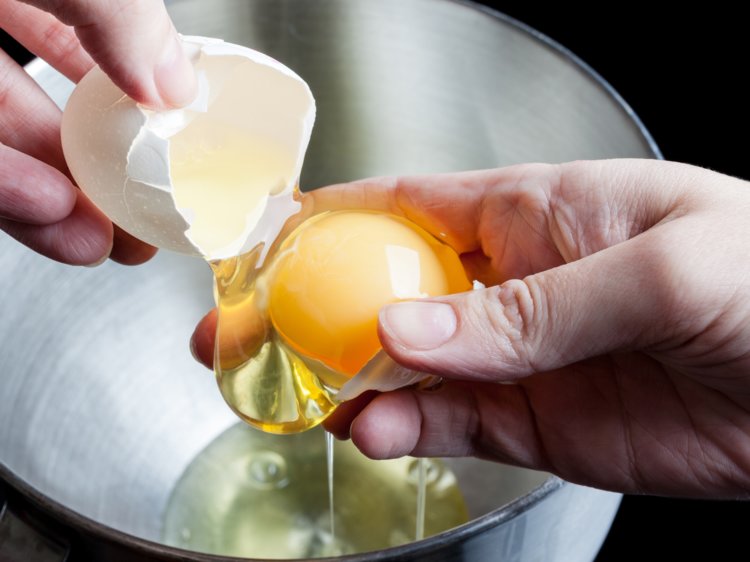
Eggs do contain a substantial amount of cholesterol in their yolks—about 211 milligrams (mg) per large egg. And yes, cholesterol is the fatty stuff in our blood that contributes to clogged arteries and heart attacks. But labeling eggs as “bad for your heart” is not the right way. Most healthy people can eat an egg a day without any problems. For most of us the cholesterol we eat—in eggs or any other food—doesn’t have a huge impact on raising our blood cholesterol; the body simply compensates by manufacturing less cholesterol itself. The chief heart-disease culprits are “saturated and trans fats, which have much greater impact on raising blood cholesterol. A large egg contains 2 grams of saturated fat (10 percent of the Daily Value) and no trans fats.
Carbohydrates make you fat and are evil
These days, there is a common misconception that carbs are evil. Ask anyone what to do to lose weight- and the first thing you hear is minimize carbs. The main problem is we do not distinguish between simple and complex carbs and put all the carbs in one bracket. Simple carbs include foods like refined flour, white rice which spike your insulin and have negligible fiber whereas complex carbs like whole wheat chapatti, brown rice, oats do not spike insulin levels and contain fiber which helps you keep full for long time.
Carbs do not make you fat, eating more calories does. So to lose weight, skip the simple carbs and you can consume complex carbs while keeping portion control in mind.
Do not eat post 8pm

Another myth which is simply more of a joke. Your body does not magically turn food to fat if you eat post 8 pm. 200 calories consumed at 12 pm would be 200 calories at 12 am too. Weight gain occurs if you consume more calories and not because of eating later at night. Just make sure to consume last meal at least 2-3 hours before sleeping to give your body enough time to digest and utilize all the nutrients effectively.
Eating fat makes you fat
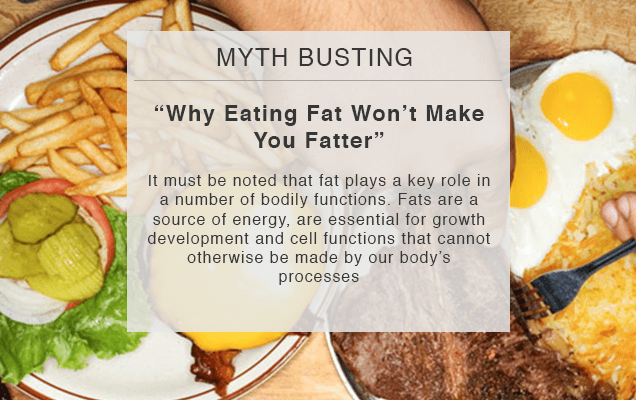
As you may have seen in the pic above, fats play an important role in the proper functioning of our body. They are a source of energy giving up on fats can lead to disrupting normal body functioning.
While, gram per gram, fat has more calories than carbs and protein, fat provides you with a feeling of fullness and helps your body absorb nutrients like vitamins A, D and E. The fats to avoid are trans fats and saturated fats. These fats are often found to be culprits in packaged foods such as french fries, margarine, cake mixes, and Ramen noodles. These fats will raise LDL (bad cholesterol) and lower your HDL (good cholesterol). On the other hand peanuts, peanut butter, avocados contain good fats lower cholesterol and reduce inflammation in body.
Bananas and mangoes are fattening
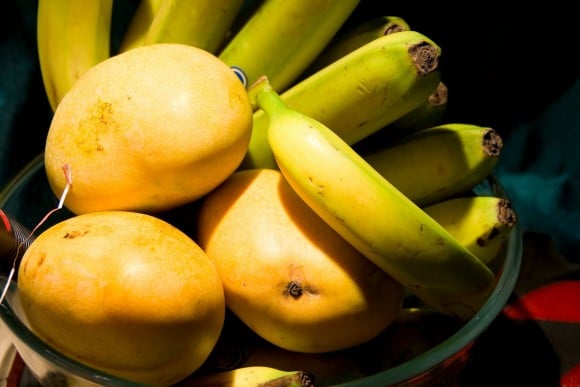
Ask anyone do bananas and mangoes make you fat and 99% of people will say yes they do.
Bananas is a nutrient-dense food that is great for instant energy. Loaded with vitamins and minerals, including potassium, vitamin B 6, vitamin C, fiber and various antioxidants with only 1/2 gram of fat, it is a perfect snack and does not lead to weight gain.
It is often said that excess of anything is bad. It is true for mangoes too. One should not go berserk while gorging on this delicious fruit. It is suggested that instead of eating it after meals one should eat it during mid-morning or evening. Mango is called king of fruits and has benefits like lowering cholesterol, helps in digestion, good for eyes, boosts immune system and prevents heart diseases.
As a result of mangoes being high in fiber, they leave one feeling full, so there is no need to snack in between meals, and their sugar content substitutes for biscuits and other candy. Therefore, mangoes are not fattening fruits by themselves. In keeping with the daily calorie intake for a particular day, persons are able to maintain their weight and eating over the calorie limit, even if it is a mango, will add to weight gain.
 Health and fitness