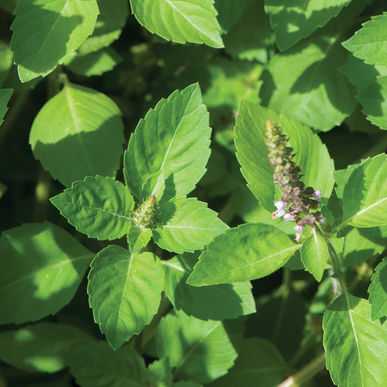
Tulsi is a potent herb that has been used in India for thousands of years to treat colds, coughs, and the flu. According to Ayurveda, holy basil promotes purity and lightness in the body, cleansing the respiratory tract of toxins, and relieving digestive gas and bloating. Holy basil leaves offer a rich source of essential oil, containing eugenol, nerol, camphor, and a variety of terpenes and flavonoids. The oil is a strong antiseptic against many kinds of disease-causing organisms, including bacteria, fungi, and parasites. It is considered a sacred plant by the Hindus and is often planted around Hindu shrines. The Hindu name for holy basil, Tulsi, means “the incomparable one.” Medicine is made from the leaves, stems, and seeds. It is commonly used to help with anxiety and stress.
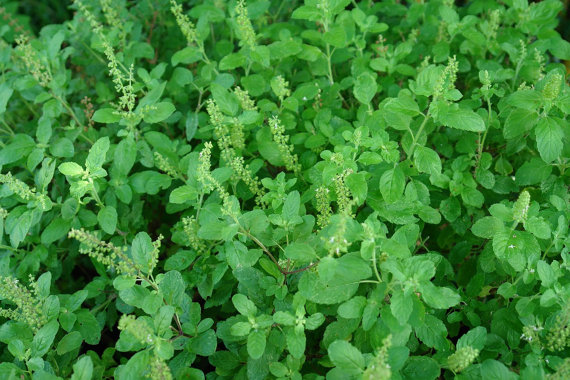
Tulsi is widely grown in the Gir Wildlife Sanctuary and Sasangir National Park in India. Tulsi grows wild in tropics and warm regions.
Medicinal uses
Tulsi has got the great medicinal value. Tulsi is taken as the herbal tea. The oil extracted from the Karpoora Tulsi is mostly used in the herbal toiletry. Its oil is also used against the insects and bacteria. The Rama Tulsi is the effective remedy for the Severe acute Respiratory Syndrome. Juice of its leaves gives relief in cold, fever, bronchitis and cough. Tulsi oil is also used as the ear drop. Tulsi helps in curing malaria. It is very effective against indigestion, headache, hysteria, insomnia and cholera. For over the centuries Tulsi (the queen of herbs) has been known for its remarkable healing properties.
Holy Basil Benefits
Helps to control blood sugar

Tulsi leaves are said to have hypoglycaemic properties, which lower blood sugar levels and help prevent complications of diabetes. After chewing tulsi leaves, the spike in blood sugar is significantly reduced. The herb improves pancreatic beta cell function and insulin secretion, apart from increasing the uptake of glucose by muscle cells which is useful for blood sugar management.
Relieves symptoms of Respiratory Disorders

Tulsi, along with curing viral, bacterial, and fungal infections of the respiratory system, gives miraculous relief from congestion due to the presence of components like camphene, eugenol, and cineole in its essential oils. It is very effective in curing almost all respiratory disorders including bronchitis, both chronic and acute.
Prevents Heart Diseases

Holy basil contains vitamin C and other antioxidants such as eugenol, which protect the heart from the harmful effects of free radicals. Additionally, eugenol is very beneficial in reducing cholesterol level in the blood. Since cholesterol level is reduced, chances of heart diseases are lowered.
Reduce risk of kidney stones
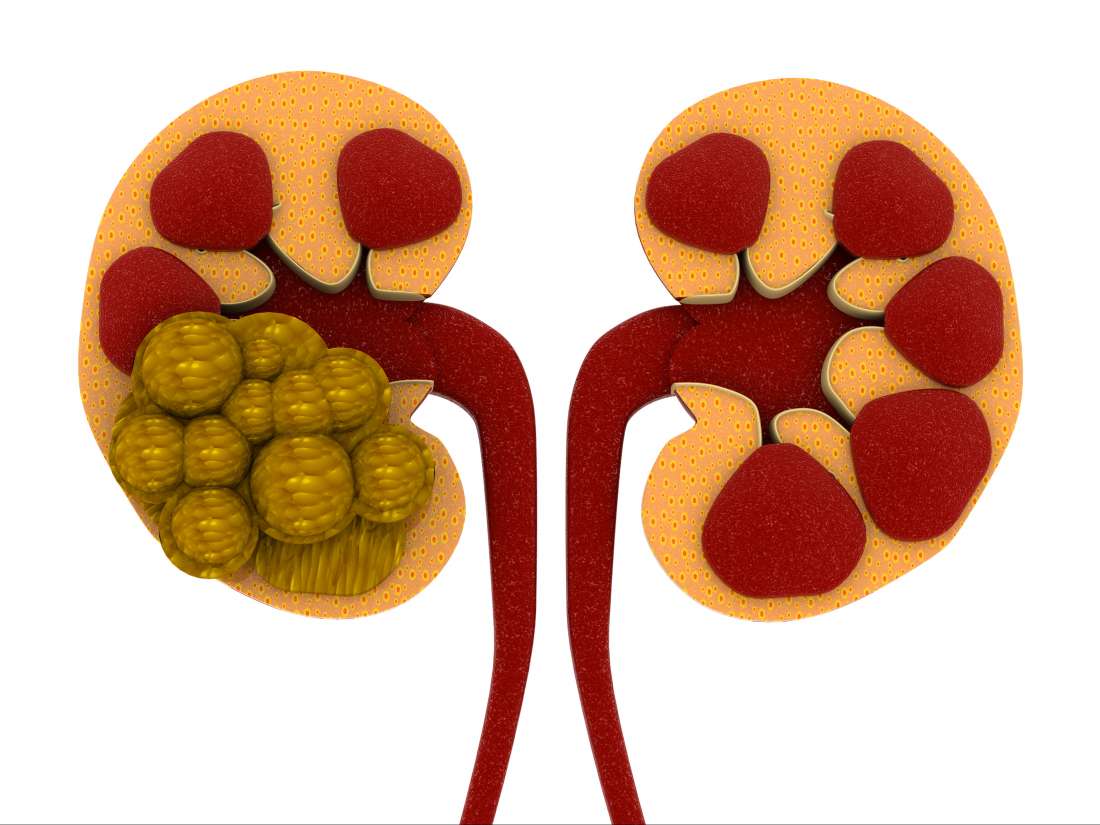
Tulsi, being a detoxifier and a mild diuretic, helps to reduce the uric acid level in the body, which is the main culprit as far as kidney stones are concerned. It also helps clean out the kidneys through increased frequency of urination. Acetic acid and certain components in Tulsi essential oil facilitate dissolution of the stones. It also has pain-killer effects and helps bear the pain from kidney stones as they pass.
Helps in dental care

Holy basil destroys the bacteria that are responsible for dental cavities, plaque, tartar, and bad breath, while also protecting the teeth. It also has astringent properties which make the gums hold the teeth tighter, thereby keeping them from falling.
Prevents premature ageing

Vitamin A and C which are phytonutrients and the essential oils in holy basil are excellent antioxidants and protect the body from nearly all the damages caused by free radicals in the body, which are hazardous byproducts of cellular metabolism that are responsible for a wide swath of diseases, including cancer. In the traditional Indian medicine system called Ayurveda, it is considered as a tonic to retain youthful vigor and avoid premature aging.
Relieves Headache

A headache caused due to migraine, sinus pressure, cough, and cold or high blood pressure can be effectively controlled by the use of a single tulsi serving. Camphene, eugenol, cineol, carvacrol, and methyl-chavicol, in holy basil, have excellent analgesic, sedative, anti-congestive, and disinfectant properties.
Tulsi as per Ayurveda
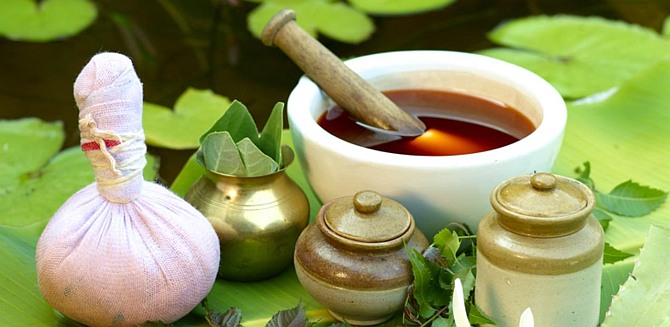
As per Ayurveda, tulsi is called the ‘elixir of life’ owing to its healing properties and is believed to promote longevity. The leaves of tulsi are nerve tonic and help to sharpen memory and increase retention power. Ayurveda refers to tulsi or Holy Basil as “the incomparable one,” “mother medicine of nature” and “the queen of herbs”. It is revered as an elixir of life for both its medicinal and spiritual properties.

In Hinduism, tulsi is worshiped as a goddess and every part of the tulsi plant is revered and considered sacred, including the leaves, stem, flower, root, seeds and oil. Every Hindu household has a Tulsi plant which is used as raw leaves or as a leaf tea for spiritual and religious practices. Its strong eugenol laden smell is believed to repel mosquitoes, flies and insects. Tulsi leaves are believed to help lower materialistic desires and lust.
 Health and fitness