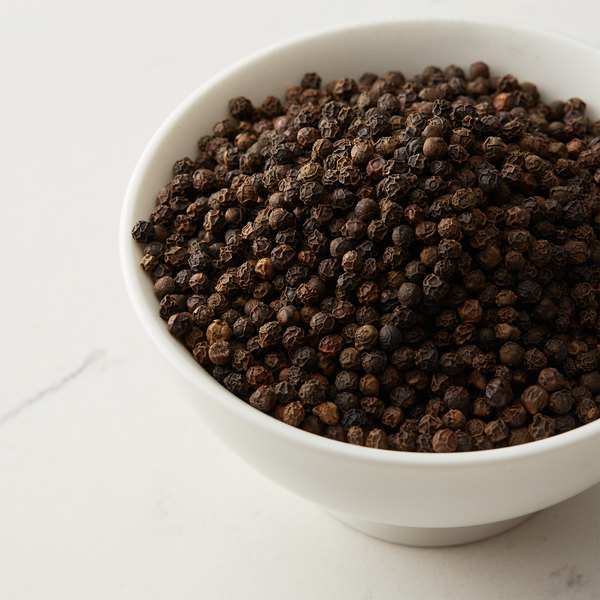
What is black pepper
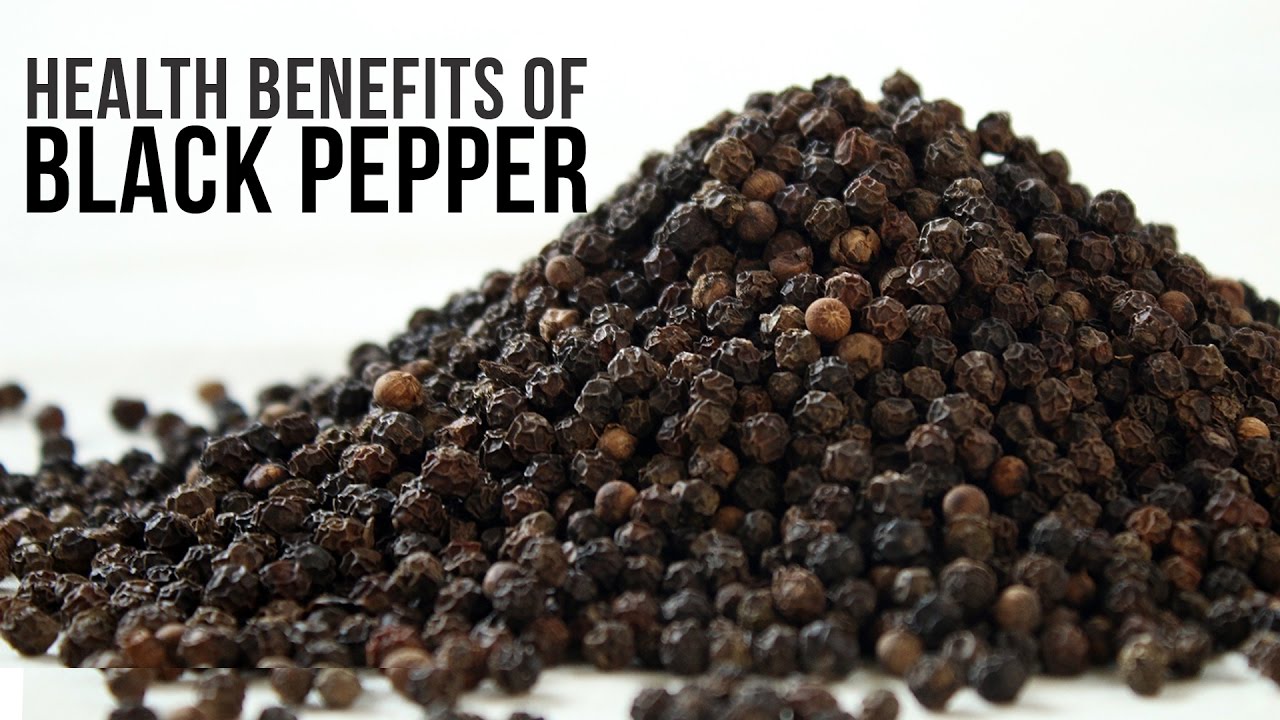
Just like salt, black pepper sits on top of almost every table whether it is at home or a restaurant. Black pepper is a flowering vine, which is cultivated for its fruit called peppercorn and then dried and used as a spice seasoning. It originates from the Western Ghats of Kerala in India. The flavor of black pepper is woody, piney and sharp at the same time. Contrary to belief, it is not a flavor enhancer like salt, but actually a spice.
Stimulates digestion
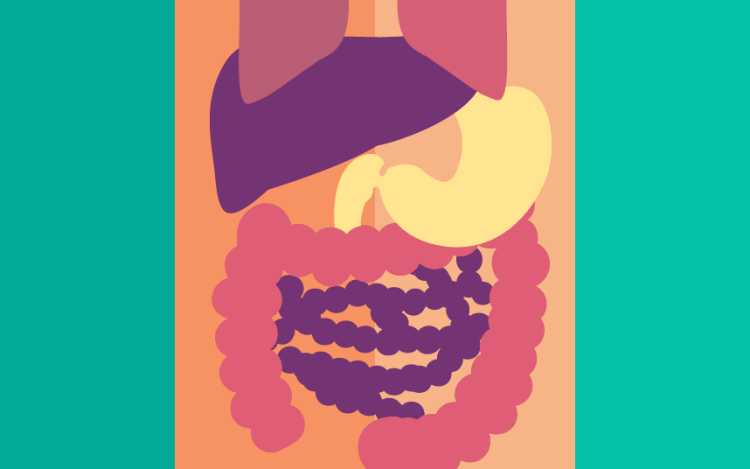
Black pepper eases digestion and stimulates the stomach, which then secretes more hydrochloric acid that helps to digest proteins in food. So a bit of pepper in food will actually help you to digest it faster.
Relieves cough and cold
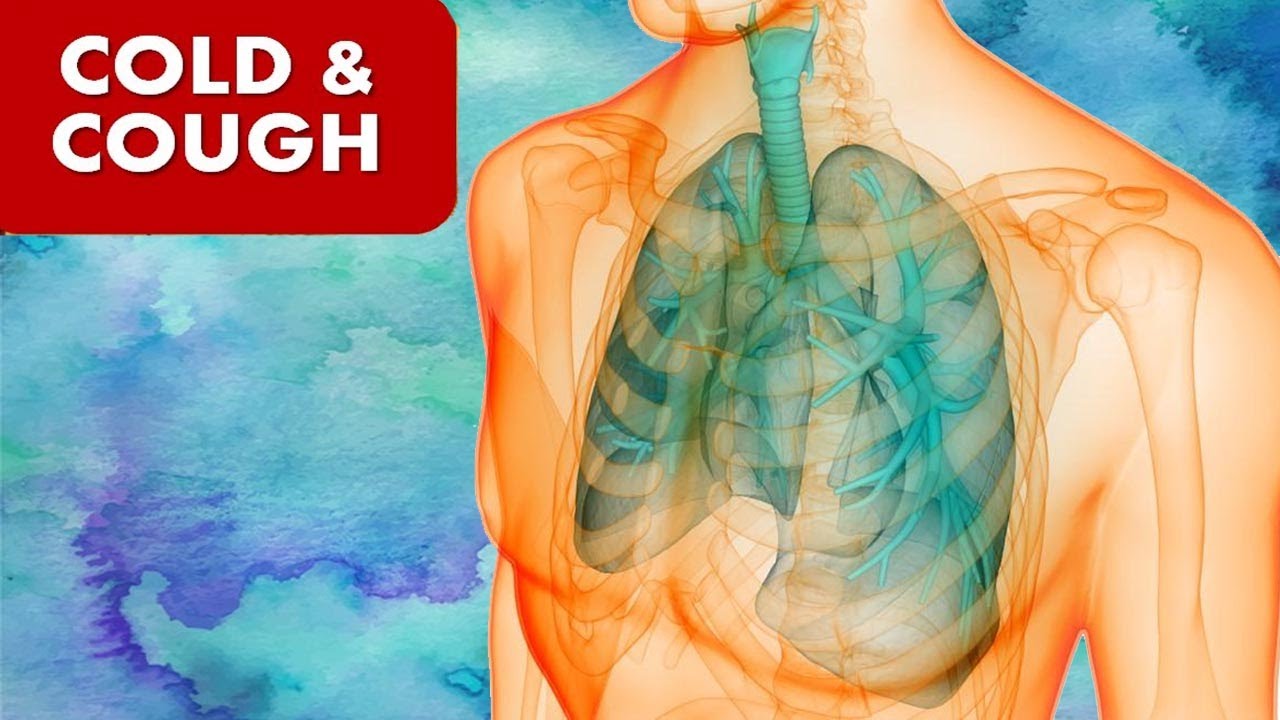
Black pepper is antibacterial in nature, and therefore helps to cure cough and cold. A teaspoon of honey with freshly crushed pepper does the trick. It also helps to alleviate chest congestion, often caused due to pollution, flu, or a viral infection. You can add it to hot water and eucalyptus oil and take steam. And given that black pepper is rich in Vitamin C, it also works as a good antibiotic.
It aids in weight loss
You may not believe this, but black pepper is brilliant when it comes to extracting nutrients from food. And it’s outermost layer contains phytonutrients, which helps to break down fat cells, and also increases metabolism. If you eat fresh pepper, and begin to perspire, that’s the pepper helping your body to get rid of excess water and toxins. But you need to control consumption – a pinch with your food (one meal) is enough. Add a good diet and exercise routine to see the results faster.
Helpful for blood circulation
Skin deformation, like wrinkles, is kept at bay if one adds black pepper to their diet since young age. The occurrence of premature ageing, dark spots are also kept in control if one eats black pepper in raw or cooked form. Eating black pepper makes sure that blood circulation to different parts of the body is improved. This also ensures that skin is rejuvenated. Skin disorders like acne are controlled if one adds black pepper to their diet. Skin exfoliation can be done by crushing some black pepper and applying it over skin.
Treat respiratory disorders
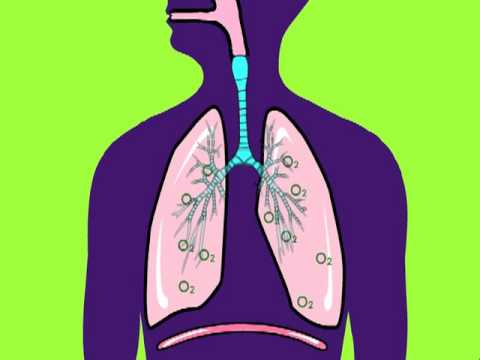
Cold and cough can be cured by adding black pepper to tea and consuming it two or three times a day. Having food dishes prepared with black pepper are useful in winters to facilitate removal of phlegm from the body. Black pepper with honey prevents chest congestion. You can add crushed black pepper to warm water and inhale the steam to get rid of chest congestion.
Black pepper as per Ayurveda

Black pepper is considered an important healing spice in Ayurveda. Along with long pepper and ginger, it forms the herbal preparation called trikatu, an important ingredient in many ayurvedic formulations. It has cleansing and antioxidant properties, and it is a bioavailability enhancer — it helps transport the benefits of other herbs to the different parts of the body. It helps the free flow of oxygen to the brain, helps enhance digestion and circulation, stimulates the appetite, and helps maintain respiratory system health and the health of the joints.
Use in Ayurvedic Cooking
Aromatic black pepper is widely used as a seasoning in the Western world. In ayurvedic cooking, black peppercorns as well as ground or cracked black pepper are common. Black peppercorns and other whole herbs such as cinnamon chips, cloves and cracked cardamom pods are sauteed in ghee and used to flavor basmati rice. Ground black pepper is combined with coconut milk and other spices to make sauces for vegetables. Pepper combines well with almost every other spice or herb.
Use as Ayurvedic Medicine
Black pepper is used in ayurvedic medicines to treat cold, obesity, cough, indigestion, skin disorders. It is also used to treat respiratory disorders, urinary tract infections and liver disorders.
 Health and fitness